Update

Shravan 2026: Dates, Sawan Somwar Vrat, Puja Vidhi, Jalabhishek

Shravan 2026: Dates, Sawan Somwar Vrat, Puja Vidhi, Jalabhishek

shravan maas 2026 start and end date

The holy month of Shravan (also known as Sawan) holds a revered place in the Hindu calendar. Dedicated entirely to Lord Shiva, this sacred month brings a wave of devotion, fasting (vrat), and spiritual cleansing across the globe.

Whether you are observing Sawan Somwar Vrat for the first time or seeking a step-by-step Jalabhishek Vidhi, this complete guide covers the 2026 calendar dates, rituals, mantras, and the deep significance of worshipping Bholenath.

Important Dates for Shravan 2026

Due to regional differences in lunar calendars—Purnimanta in North India and Amavasyant in South and West India—Shravan dates vary slightly by region.

  • North India (Purnimanta Calendar): July 30, 2026 – August 28, 2026

  • South & West India (Amanta Calendar): August 13, 2026 – September 11, 2026

Note: For North Indian states (UP, MP, Bihar, Rajasthan, Punjab, Delhi), Shravan 2026 begins on July 30, 2026 and concludes on August 28, 2026 (Shravan Purnima / Raksha Bandhan).

Sawan Somwar Vrat 2026 Calendar (Mondays)

Every Monday in Shravan is known as Sawan Somwar and is considered extraordinarily auspicious for offering prayers and keeping fasts.shravan maas 2026 start and end date

Shravan SomwarNorth India DatesSouth & West India Dates
1st SomwarAugust 3, 2026August 17, 2026
2nd SomwarAugust 10, 2026August 24, 2026
3rd SomwarAugust 17, 2026August 31, 2026
4th SomwarAugust 24, 2026September 7, 2026

Why is Shiva Worship Special in Shravan?

The core significance of worshipping Lord Shiva during Shravan traces back to the celestial ocean churning legend, Samudra Manthan.

When the ocean was churned by the Devas and Asuras, a deadly poison called Halahala emerged, capable of destroying the universe. To save creation, Lord Shiva drank the lethal poison and held it in his throat, which turned blue—earning him the name Neelkanth.

To cool the intense heat caused by the poison, the Devas offered holy water from the Ganges to Mahadev. Performing Jalabhishek during Shravan is a symbolic recreation of this act of gratitude, cooling Lord Shiva’s divine energy and receiving his supreme grace in return.

The Spiritual Importance of Jalabhishek

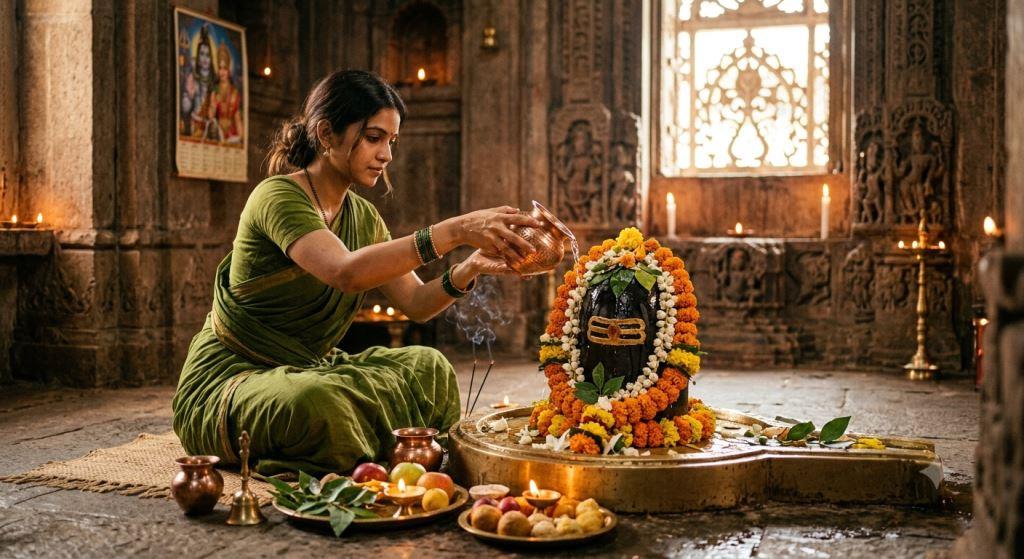
Offering water (Jalabhishek) or milk (Doodhabhishek) over the Shivling is the most central ritual of Sawan.

  • Mind and Body Purification: Water represents flow, purity, and tranquility. Offering water calms restless thoughts.

  • Destruction of Negative Karma: According to scriptures, sincere Jalabhishek done during Shravan dissolves past sins and brings spiritual peace.

  • Fulfillment of Desires: Devotees pray for marital harmony, health, prosperity, and liberation (Moksha).

Best Time (Shubh Muhurat) for Jalabhishek

  1. Brahma Muhurta: 4:00 AM – 5:00 AM (Ideal for intense meditation)

  2. Morning Hours: Sunrise to 11:00 AM

  3. Pradosh Kaal: Around sunset (6:30 PM – 7:30 PM)

Sawan Somwar Vrat: Fasting Rules & Types

Keeping a fast on Mondays during Shravan helps build self-discipline and mental clarity.

Types of Fasts

  • Partial Fast (Phalahar): Consuming fruits, milk, sabudana, makhana, and rock salt (sendha namak) once during the day.

  • Full Fast (Nirjala): Observing a complete fast without food or water until sunset or the following morning.

What to Avoid During Sawan

  • Dietary: Onion, garlic, non-vegetarian food, alcohol, and refined salt.

  • Puja Items to Exclude: Never offer Tulsi leaves, Turmeric (Haldi), Ketaki flowers, or Kumkum to a Shivling. Use Belpatra, Bhaang, Dhatura, and Chandan instead.

Step-by-Step Shiva Puja Vidhi at Home

You do not need an elaborate setup to perform Sawan Shiva Puja. Devotion and sincerity matter most.

  1. Morning Prep: Wake up during Brahma Muhurta, bathe, and wear clean, light-colored clothes.

  2. Cleanse the Altar: Clean your home temple and place the Shivling facing North or East.

  3. Perform Abhishekam:

    • Pour pure water over the Shivling while chanting Om Namah Shivaya.

    • Pour raw cow milk, followed by gangajal or water to clean.

  4. Offer Sacred Ingredients:

    • Belpatra: Offer 3-leaf Belpatra with the smooth side touching the Shivling.

    • Sandalwood (Chandan): Apply white sandalwood paste.

    • Dhatura & Bhaang: Offer Dhatura fruit/flowers and Bhaang leaves.

  5. Chant Mantras: Recite Mahamrityunjaya Mantra or Om Namah Shivaya 108 times.

  6. Aarti & Bhog: Light a ghee lamp (diya), perform Aarti, and offer fruits or kheer as Bhog.

Powerful Mantras to Chant in Shravan

1. Panchakshari Shiva Mantra

“ॐ नमः शिवाय”

(Om Namah Shivaya)

2. Mahamrityunjaya Mantra (For Health & Protection)

“ॐ त्र्यम्बकं यजामहे सुगन्धिं पुष्टिवर्धनम्।

उर्वारुकमिव बन्धनान्मृत्योर्मुक्षीय माऽमृतात्॥”

Frequently Asked Questions (FAQs)

Q1. When does Shravan 2026 start and end?

In North India, Shravan 2026 begins on July 30, 2026 and ends on August 28, 2026. In South and Western states, it runs from August 13, 2026 to September 11, 2026.

Q2. How many Sawan Somwars are there in 2026?

There are 4 Sawan Somwars (Mondays) in 2026.

Q3. Can unmarried women observe Sawan Somwar Vrat?

Yes. Unmarried women observe Sawan Somwar Vrat to pray for a loving and compatible life partner, drawing inspiration from Goddess Parvati’s devotion to Lord Shiva.

Shravan 2026: Dates, Sawan Somwar Vrat, Puja Vidhi, Jalabhishek Read More »

How to Choose a Trustworthy NGO to Donate To (2026 Guide)

how to donate safely, Shani Dev Temple Construction Donation Online India

How to Donate Safely: A Trustworthy NGO Checklist (2026 Guide)

Every year, millions of people want to give back but hesitate — not because they don’t care, but because they’re not sure their money will actually reach the people who need it. Learning how to donate safely starts with knowing what to check before you click “Donate.” If you’ve ever paused, wondering whether an organization is legitimate, you’re not alone.

Here’s a simple, practical checklist to help you donate safely, choose an NGO you can trust, and give with confidence.

1. To Donate Safely, First Check Registration and Legal Status

A genuine NGO will be officially registered and usually willing to share its registration details. Look for:

  • A registered trust, society, or Section 8 company number (India) or equivalent nonprofit status in your country
  • Tax-exemption certification (like 80G in India, or 501(c)(3) in the US)
  • Registration details listed clearly on their website — not hidden or hard to find

You can cross-check most registration numbers directly on official government portals, such as NGO Darpan in India or GuideStar/Candid in the US.

If an organization is cagey about sharing this information, treat it as a red flag.

2. Look for Financial Transparency

Trustworthy NGOs publish where the money goes. Before donating, check whether the organization shares:

  • Annual reports with income and expenditure breakdowns
  • Audited financial statements
  • A clear explanation of what percentage of donations goes directly to programs versus administrative costs

Organizations that publish detailed annual impact reports are generally more accountable — and more likely to use your donation well.

3. Evaluate Real, Verifiable Impact

Ask: does this NGO show proof of impact, or just tell you about it?

Good signs include:

  • Specific numbers (e.g., “provided clean water to 4,200 families in 2025”)
  • Photos, videos, and stories from actual programs
  • Third-party recognition, media coverage, or partnerships with known institutions

Vague claims like “we help thousands of people” without any specifics are worth questioning further.

4. Donate Safely by Checking Reviews and Independent Ratings

Just like you’d check reviews before buying a product, check independent ratings before donating:

  • Charity rating platforms (like Charity Navigator, GuideStar/Candid, or NGO Darpan in India)
  • Google reviews and social media comments from actual donors or volunteers
  • News coverage — both positive and negative

A long track record with consistent, positive third-party validation is a strong trust signal.

5. See How They Communicate With Donors

A trustworthy NGO treats donors as partners, not just wallets. Before donating, notice:

  • Do they send updates on how funds are used?
  • Is their team responsive if you email or call with questions?
  • Do they acknowledge and thank donors, even for small contributions?

Organizations that stay silent after receiving a donation are far less accountable than ones that keep you in the loop.

6. Watch for Red Flags

Be cautious if an NGO:

  • Pressures you to donate immediately without explaining the cause clearly
  • Can’t answer basic questions about registration or fund usage
  • Has no verifiable online presence or history
  • Uses only emotional appeals with no data, reports, or proof of work

The Bottom Line: How to Donate Safely, Step by Step

Choosing where to donate shouldn’t feel like a leap of faith. A legitimate NGO will welcome your questions, not avoid them. Now that you know how to donate safely, take ten minutes to check registration, transparency, and impact before you give — your generosity deserves to reach the people it’s meant for.

To see how we measure up against this checklist, read our latest annual impact report or go directly to our donation page to give with confidence.


Ready to give with confidence? Learn more about our work and see our latest impact report →

How to Choose a Trustworthy NGO to Donate To (2026 Guide) Read More »

Chaturmas 2026: Dates, Religious Significance, Rules, Worship and Benefits of Donation

Chaturmas 2026

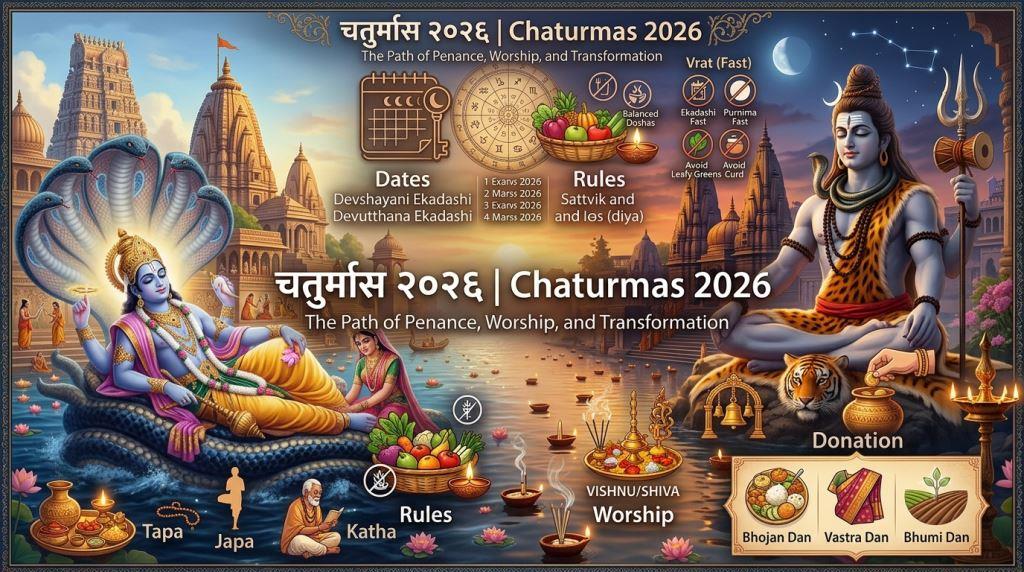
Chaturmas 2026 begins on July 25 (Devshayani Ekadashi) and ends on November 21 (Dev Uthani/Prabodhini Ekadashi). Hindus consider this four-month window one of the holiest phases of the year. Devotees dedicate it to fasting, worship, spiritual discipline and charity. Here is everything you need to know about Chaturmas 2026 — dates, rules, rituals and the benefits of donating during this sacred period.

What Is Chaturmas?

Chaturmas literally means “four months” (Chatur = four, Maas = month). The period runs from Ashadha Shukla Ekadashi to Kartik Shukla Ekadashi. It spans four Hindu lunar months: Shravan, Bhadrapada, Ashwin and Kartik. Tradition holds that Lord Vishnu enters Yoga Nidra, a state of divine cosmic sleep, on Devshayani Ekadashi. He awakens four months later on Dev Uthani Ekadashi. Devotees believe the universe pauses spiritually while Vishnu rests. This makes the period unsuitable for major worldly celebrations. It remains ideal for introspection, penance and devotion.

The period coincides with India’s monsoon season, when travel once grew difficult. Saints and sannyasis would halt their journeys and settle in one place. They used the time to guide local communities through discourses, satsangs and religious teachings. This practice shaped many of the fasting and worship customs devotees still follow today.

Chaturmas 2026: Key Dates

EventDate (2026)
Chaturmas Begins – Devshayani Ekadashi (Ashadha Shukla Ekadashi)Saturday, July 25, 2026
Shravan MonthLate July – August
Bhadrapada Month (Ganesh Chaturthi falls here)August – September
Ashwin Month (Navratri falls here)September – October
Kartik MonthOctober – November
Chaturmas Ends – Dev Uthani/Prabodhini Ekadashi (Kartik Shukla Ekadashi)Saturday, November 21, 2026

Note: Ekadashi tithi timings can shift slightly by city and Panchang. Confirm exact local timings before you begin or conclude your vows.

Religious Significance of Chaturmas

Chaturmas carries deep spiritual meaning across Vaishnav and broader Hindu traditions:

  • Divine rest of Lord Vishnu: The preserver of the universe rests in Yoga Nidra. Devotees see the cosmos as delicate and dormant during this time, which calls for restraint rather than celebration.
  • Season of austerity: The rainy season once limited travel and outdoor activity. Sages redirected this downtime toward fasting, scripture study and inner discipline.
  • A “no auspicious ceremonies” period: Families traditionally postpone weddings, engagements, Grah Pravesh (housewarming) and Mundan (tonsure) ceremonies until after Dev Uthani Ekadashi.
  • Festival-rich months: Despite the pause on personal ceremonies, Chaturmas hosts some of the year’s biggest festivals. Raksha Bandhan, Krishna Janmashtami, Ganesh Chaturthi, Navratri, Dussehra, Karva Chauth and Diwali all fall within this window. Collective devotion continues even as individual milestone events wait.

Rules and Restrictions During Chaturmas

Chaturmas Vrat involves specific dietary, lifestyle and behavioral disciplines. The intensity varies by individual capacity and tradition. Common rules include:

  1. Month-wise food restrictions: Devotees often give up one specific food item each month. For example, many skip leafy green vegetables in the first month and curd-based foods in the second, as an act of austerity.
  2. Avoiding auspicious events: Families typically postpone marriages, engagements and housewarmings until Chaturmas ends.
  3. Simplified living: Many devotees sleep on the floor, skip oiled hair, and give up specific indulgences like outside food, leather items or non-vegetarian food. They also try to reduce unnecessary speech or anger.
  4. Ekadashi fasting: Devotees consider every Ekadashi that falls within Chaturmas especially powerful for fasting and worship.
  5. Daily spiritual practice: Many devotees chant mantras, read scripture such as the Bhagavad Gita or Vishnu Sahasranama, and light an evening lamp near the Tulsi plant throughout the period.

Worship Rituals During Chaturmas

  • Daily Surya Arghya: Devotees offer water to the rising sun each morning.
  • Tulsi Puja: Lighting a ghee lamp near the Tulsi plant every evening carries special significance.
  • Vishnu and Shiva Mantras: Many chant “Om Namo Bhagavate Vasudevaya” and “Om Namah Shivaya” daily.
  • Satsang and Katha: Devotees listen to or read religious discourses and stories, especially in the evenings.
  • Tulsi Vivah: This ritual falls on or around Dev Uthani Ekadashi. It symbolizes the sacred marriage of Lord Vishnu and Tulsi Mata and formally closes Chaturmas.

Benefits of Donation (Daan) During Chaturmas

Charity, or daan, holds special significance during Chaturmas. Hindus believe it multiplies spiritual merit (punya) when performed during this period. Common forms of donation include:

  • Annadaan (donating food or grains): devotees consider this one of the most meritorious acts during Chaturmas.
  • Vastra daan (donating clothes): especially valuable for the needy ahead of the colder months.
  • Gau daan and seva (cow donation or service): closely linked to Vishnu worship.
  • Donations to temples and religious institutions: these support scripture study, satsangs and community worship.
  • Support for the underprivileged: through education, medicine or basic necessities.

Tradition holds that charitable acts performed during this period bring:

  • Purification of mind and removal of past sins
  • Enhanced prosperity, peace and family harmony
  • Protection from adversities in the year ahead
  • Strengthened devotion and a sense of humility and gratitude

Chaturmas 2026: A Time for Reflection

ThreforChaturmas asks less for restriction and more for reflection, gratitude and discipline amid a season packed with festivals. Chaturmas 2026 begins on July 25 and closes on November 21 with Dev Uthani Ekadashi and Tulsi Vivah. Across these four months, devotees in India will deepen their spiritual practice, observe fasts and give charity before the wedding season and other auspicious ceremonies resume.

Disclaimer: This article draws on religious beliefs, traditional practices and popular Panchang sources. Exact tithi timings may vary by location. Verify dates with a local Panchang or temple authority before you begin any vrat or ritual.

Chaturmas 2026: Dates, Religious Significance, Rules, Worship and Benefits of Donation Read More »

Somvati Amavasya 2026: Date, Snan-Daan Muhurat, Puja & Vrat Vidhi,

Somvati amavasya 2026 katha

When a New Moon day (Amavasya) falls on a Monday (Somvar), it is celebrated as Somvati Amavasya. In Hindu tradition, this is considered one of the most spiritually powerful days of the year. Dedicated to Lord Shiva, Goddess Parvati, and ancestral rituals (Pitru Tarpan), Somvati Amavasya in 2026 brings an incredibly rare and auspicious alignment.

Whether you are looking for the exact Udaya Tithi timings, the best time for holy bathing (Snan), or the specific remedies to clear Pitru Dosha, this comprehensive guide has everything you need to know.

Somvati Amavasya 2026: Date & Auspicious Timings (Muhurat)

In 2026, the primary and most significant Somvati Amavasya falls in the month of June. While the Tithi begins on a Sunday, according to Hindu tradition, fasts and rituals are observed based on the Udaya Tithi (the tithi prevailing at sunrise). Therefore, Somvati Amavasya will be celebrated on Monday, June 15, 2026.

Ritual / EventDateAuspicious Time (Muhurat)
Amavasya Tithi BeginsSunday, June 14, 202612:19 PM
Amavasya Tithi EndsMonday, June 15, 202608:23 AM
Udaya Tithi (Fast & Puja Day)Monday, June 15, 2026All Day
Brahma Muhurat (Best for Holy Bath)Monday, June 15, 202604:04 AM to 04:44 AM

Note: A second Somvati Amavasya will also occur later in the year during Kartika month on November 9, 2026. However, the June alignment is highly unique due to concurrent planetary shifts (including the Sun’s transit into Gemini).

Why Somvati Amavasya 2026 is Spiritually Unique

According to Vedic astrology, the June 2026 Somvati Amavasya is marked by highly rare celestial alignments. The day marks the intersection of:

  • The Purushottam / Adhik Maas energy residue.

  • The Solar Transit (Surya Gochar): Lord Surya (the Sun) enters Mithun Rashi (Gemini), generating strong positive shifts for multiple zodiac signs—especially Cancer, Leo, and Aries.

  • The Monday-Shiva Connection: Monday is directly ruled by Lord Shiva, making it the ultimate day to dissolve negative planetary karmas, particularly those involving a weak Moon in your birth chart.

Step-by-Step Puja Vidhi (Worship Rituals)

To reap the full spiritual rewards of this sacred day, follow this traditional worship method:

1.The Holy Purification (Snan):Before 6:00 AM.

Wake up during the Brahma Muhurat. If possible, take a dip in a holy river like the Ganga. If you are at home, add a few drops of Ganga Jal (sacred Ganges water) into your bathing water. Wear clean, light-colored clothes.

2.Offer Arghya to the Sun:At Sunrise.

Offer water mixed with a few red flowers and a pinch of vermilion to the rising Sun. Pray for clarity, vitality, and health.

3.Shiva-Parvati Abhishek:Morning.

Set up an idol or picture of Lord Shiva and Goddess Parvati. Perform a holy bath (Abhishek) of the Shiva Linga using water, raw milk, and honey. Offer Bel Patra (wood apple leaves), sandalwood paste, and light a desi ghee diya while chanting “Om Namah Shivaya.”

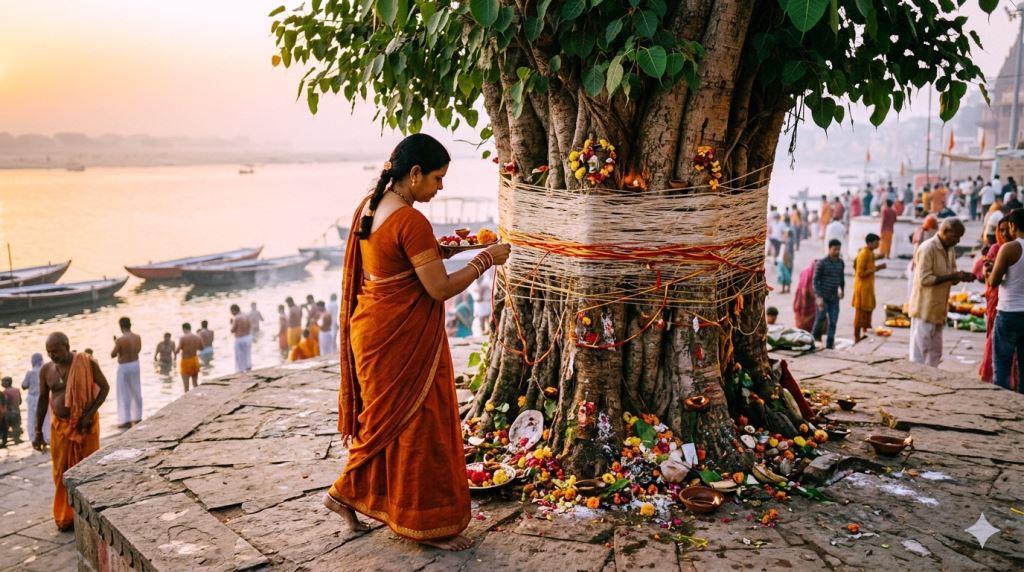
4.Worship the Peepal Tree (Ashwatha Vriksha Pradakshina):Mid-Morning.

The Peepal tree represents the Hindu Trinity (Brahma, Vishnu, and Mahesh). Tie a raw cotton thread (Moli) around the tree trunk and circumambulate (walk around) it 108 times. Offer milk, water, and sweets to the roots.

5.Pitru Tarpan & Charity (Daan):Before Noon.

Offer water mixed with black sesame seeds (Til) facing south to honor your ancestors. Donate white items like rice, milk, curd, sugar, or clothes to the needy to bring peace to departed souls.

Powerful Remedies (Upay) for Pitru Dosha & Prosperity

If you have been facing continuous obstacles in your career, delays in marriage, or financial strain, astrological experts highly recommend performing these simple remedies on Somvati Amavasya:

  • For Ancestral Peace (Pitru Dosha Nivaran): Set aside the first chapati or a small portion of sattvik food for cows, crows, and dogs. This simple act pleases your ancestors and brings family harmony.

  • To Strengthen a Weak Moon: If you suffer from anxiety, mood swings, or mental unrest, chant the mantra Om Shram Shreem Shroum Sah Chandraya Namah 108 times. Donating silver or dairy products on this day also strengthens the Moon.

  • For Marital Bliss: Married women observing the Somvati Amavasya Vrat should offer vermilion (Sindoor) to Goddess Parvati and then apply a bit to their own foreheads. This is believed to grant longevity and prosperity to husbands.

What to Avoid on Somvati Amavasya

To ensure your energy stays pure and your prayers are unhindered, maintain these strict guidelines throughout the day:

🚫 Do Not Consume: Avoid non-vegetarian food, alcohol, garlic, onions, and heavy fried foods.

🚫 Avoid Negative Behaviors: Do not engage in arguments, speak harshly, or lie. Maintain a calm, meditative mindset.

🚫 Physical Restraints: Traditional customs suggest avoiding haircuts, shaving, or clipping nails on any Amavasya tithi.

Somvati Amavasya 2026 Katha

By aligning your day with these ancient practices on June 15, 2026, you can invite profound peace, remove persistent life obstacles, and honor the divine energies of nature and lineage.

The most widely recited Somvati Amavasya Vrat Katha is the story of a poor Brahmin family, a devout daughter, and a virtuous washerwoman named Sona. It explains why circumambulating (walking around) the Peepal tree 108 times is central to this fast.

The Story of the Brahmin’s Daughter and Sona Dhobin

Long ago, there lived a poor Brahmin couple who had a beautiful, virtuous daughter. As she grew into marriageable age, the family found themselves in despair because every prospective match fell through, and they lacked the money for a proper wedding.

One day, a wise traveling sage visited their home. Looking closely at the daughter’s palm, he sighed deeply and revealed a dark prophecy: The girl was destined to become a widow immediately after her marriage.

The devastated mother begged the sage for a remedy. Moving by her grief, the sage told them of a solution:

“Far from here, across the ocean, lives a virtuous washerwoman named Sona Dhobin. If your daughter travels to her house, serves her selflessly, and gets Sona to apply her own bridal vermilion (Sindoor) onto her forehead on a Monday that aligns with Amavasya, her tragic destiny will be erased.”

The Journey of Service

The young girl set out immediately. She arrived at Sona’s house and secretly began performing all the household chores before dawn—sweeping the floors, fetching water, and cleaning the courtyard—and leaving before anyone woke up.

Sona Dhobin, noticing her house magically clean every morning, was puzzled. She asked her daughters-in-law who was doing the work, but they too were clueless. To solve the mystery, Sona stayed awake all night and caught the Brahmin’s daughter in the act.

When asked why she was doing this, the girl broke down and narrated her tragic prophecy. Touched by the girl’s humility, devotion, and selfless service, Sona agreed to help.

The Test of Destiny

The next morning happened to be Somvati Amavasya. Sona Dhobin walked with the girl to her home. The moment Sona stepped into the house and applied her own Sindoor to the Brahmin daughter’s forehead, Sona’s own husband—who was thousands of miles away—suddenly collapsed and died, as the tragic fate of widowhood was transferred.

Sona realized what had happened. She immediately rushed to a nearby Peepal tree. Because she was traveling, she had no standard puja offerings or sweets with her. Instead, she gathered 108 small bricks, pebbles, and pieces of fruit. With deep devotion to Lord Vishnu and Lord Shiva, she circumambulated (Pradakshina) the Peepal tree 108 times, offering a pebble or fruit with each turn.

The Miracle

Pleased by Sona’s profound devotion and selfless sacrifice, Lord Vishnu blessed her. Instantly, her husband’s life was restored across the ocean. The Brahmin’s daughter was freed from her curse and went on to live a long, happy, and prosperous married life.

The Spiritual Takeaway

From that day onward, the tradition of fasting on Somvati Amavasya began.

It is believed that married women who keep a fast on this day, worship the Peepal tree, and complete 108 rounds while offering small tokens (like fruits, sweets, or threads) ensure the longevity, health, and prosperity of their husbands and families, while clearing away deep ancestral blockages.

The 108 rounds around the Peepal tree—known as Ashwatha Pradakshina—are the spiritual core of the Somvati Amavasya fast. According to Hindu scriptures, Lord Vishnu and Goddess Lakshmi reside in the Peepal tree, making this ritual a powerful way to invite prosperity, erase sins, and ensure the longevity of one’s family.

To perform the ritual correctly, traditional items are used to count each round, alongside a strict set of rules.

Traditional Items Offered During the 108 Rounds

You should never perform the circumambulation empty-handed. For each of the 108 rounds, you must offer a small token item at the base of the tree. Traditionally, women place these items in a basket before starting.

Depending on your specific prayer or Sankalpa (intention), you can choose one of the following items:

Intention / DesireRecommended Offering Items (108 Pieces)
Marital Bliss & Husband’s LongevityBindi, bangles, vermilion packets, or small pieces of holy thread (moli).
Financial Prosperity & WealthMakhana (fox nuts), almonds, cashews, or dry dates (chuhara).
Family Health & Well-beingFresh seasonal fruits (like small bananas, mangoes, or pieces of sugar candy).
General Spiritual GrowthBetel nuts (supari), cloves (laung), cardamoms, or holy basil leaves (tulsi).

💡 The Rule of Giving: Once the 108 rounds are complete, all 108 items used for counting must be donated to a priest, a married woman, or someone in need. They should not be brought back inside your home for personal use.

Donate

Step-by-Step Rules for Performing the 108 Pradakshina

To ensure the spiritual energy of the ritual is properly directed, follow these strict procedural guidelines:

1.The Initial Water & Milk Offering:Prerequisite.

Before starting the rounds, face East or North and pour a mixture of water, raw milk, and a few black sesame seeds at the roots of the Peepal tree. Light a desi ghee diya and an incense stick.

2.The Placement of Baskets:Setup.

Place your empty basket or plate at the base of the tree. Keep your second basket containing the 108 offering items in your hands.

3.Maintain Clockwise Movement:Physical Rule.

Always walk in a clockwise direction (Pradakshina). Your right side should always face the tree trunk. Keep a steady, meditative pace; do not rush.

4.Chanting and Silence:Mental Focus.

Maintain silence or continuously chant a mantra with every step. The most powerful mantras for this ritual are “Om Namo Bhagavate Vasudevaya” or “Om Namah Shivaya.” Avoid talking or looking at your phone during the rounds.

5.The Final Drop and Prayer:Completion.

Each time you complete one full circle, take one item from your hand’s basket and drop it into the basket at the base of the tree. Once you hit 108, bow down, touch the roots or trunk of the tree to seek blessings, and ask for forgiveness for any accidental mistakes made during the ritual.

Critical Distinctions to Keep in Mind

  • The Thread Rule: Many women like to wrap a raw cotton thread (Moli) around the tree trunk. If you choose to do this, you can wrap the thread continuously for the first few rounds, tie it off, and then use your chosen items (like fruits or nuts) to complete the remaining count up to 108.

  • Do Not Touch on Sunday: If an Amavasya tithi begins on a Sunday, remember that traditional scriptures strictly forbid touching the Peepal tree on Sundays. Since today is Monday (June 15, 2026), you can freely perform the puja and touch the tree to seek blessings.

Somvati Amavasya 2026: Date, Snan-Daan Muhurat, Puja & Vrat Vidhi, Read More »

Most Powerful Remedy for Shani: A Complete Spiritual Guide to Reduce Shani Dosha

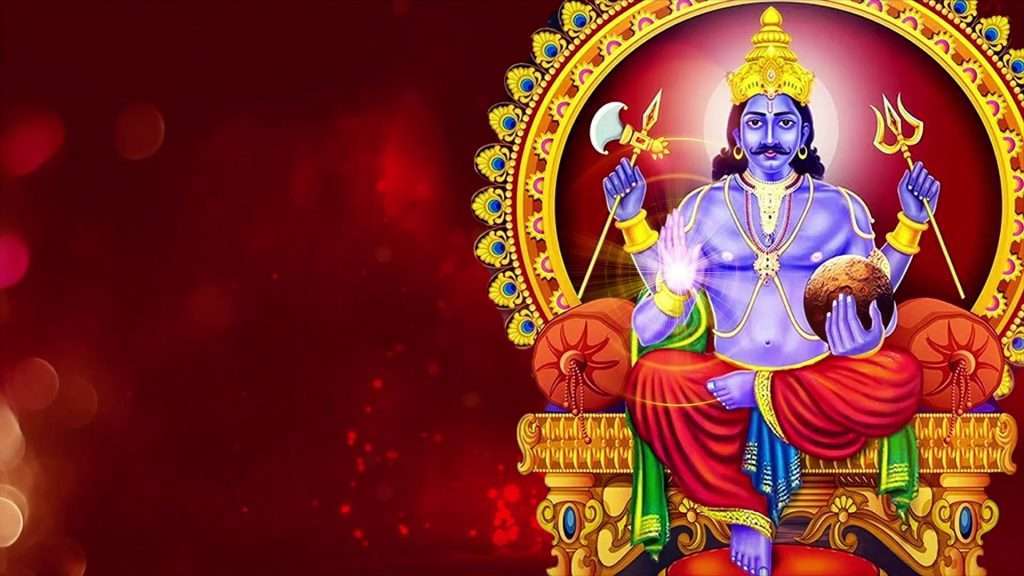
In Vedic astrology, Shani Dev is known as the karmic judge—he rewards discipline, honesty, and hard work, but also brings challenges when lessons are ignored. Many people fear Shani, yet in reality, his purpose is to guide us toward truth and justice.

If you are experiencing delays, struggles, financial issues, or mental stress, it may be connected to Shani’s influence. The good news is that there are powerful remedies that can reduce his negative effects and bring stability into your life.

This guide explains the most effective Shani remedies, their spiritual meaning, and which one works best.


Understanding Shani’s Influence

Shani is not a negative force—he is a teacher.

When Shani is strong or challenging in your horoscope, you may experience:

  • Delays in success
  • Financial instability
  • Health concerns
  • Mental pressure
  • Obstacles despite hard work

But when pleased, Shani brings:

  • Long-term success
  • Discipline and focus
  • Justice and fairness
  • Stability and respect

Most Powerful Remedy for Shani

1. Shani Mantra Chanting (Most Effective Core Remedy)

The most powerful and universally recommended remedy is chanting:

“Om Sham Shanicharaya Namah”

  • Chant 108 times every Saturday
  • Use a Rudraksha mala
  • Best done during sunrise or sunset

Why it works:
This mantra directly aligns your energy with Shani’s vibration and reduces karmic burden.


2. Lighting Mustard Oil Lamp (Deep Daan Remedy)

Lighting a diya with mustard oil under a Peepal tree or in a temple is highly effective.

  • Do this on Saturdays
  • Offer black sesame seeds

Spiritual meaning:
This act symbolizes surrender and humility—qualities Shani values deeply.


3. दान (Charity) – The Fastest Way to Please Shani

Shani is strongly connected to karma and service.

Offer:

  • Black clothes
  • Iron items
  • Food to the poor
  • Help to laborers or needy people

Important insight:
Among all remedies, selfless charity gives the fastest results because Shani represents justice and equality.


4. Feeding Animals (Especially Crows and Dogs)

  • Feed black dogs or crows on Saturdays
  • Offer cooked food or roti

This balances karmic energy and reduces negativity.


5. Shani Temple Visit (Energy Alignment Practice)

Visiting a Shani temple regularly strengthens your spiritual connection.

During visit:

  • Offer oil
  • Pray with sincerity
  • Avoid ego or material desires

Which Remedy is the MOST Powerful?

Let’s compare:

RemedyPower LevelSpeed of ResultsBest For
Mantra Chanting⭐⭐⭐⭐⭐MediumLong-term stability
Charity (Daan)⭐⭐⭐⭐⭐⭐FastImmediate relief
Oil Lamp⭐⭐⭐⭐MediumEmotional balance
Feeding Animals⭐⭐⭐⭐MediumRemoving negativity
Temple Visit⭐⭐⭐⭐GradualSpiritual growth

Final Verdict:

👉 Charity (Daan) + Mantra together = Most Powerful Combination

This combination balances both:

  • Karma (actions)
  • Spiritual vibration (mantra)

Important Mistakes to Avoid

  • Don’t perform remedies out of fear
  • Avoid shortcuts or superstition
  • Never harm or disrespect others (this increases Shani dosha)
  • Consistency is more important than intensity

Simple Weekly Shani Remedy Routine

You can follow this easy plan:

Every Saturday:

  • Chant Shani mantra (108 times)
  • Light mustard oil diya
  • Donate something useful
  • Feed animals

This routine is simple, powerful, and sustainable.


Final Thoughts

Shani is not here to punish—he is here to transform.

If you follow the right path with discipline, humility, and service, Shani becomes your greatest supporter. The remedies are not just rituals—they are ways to align your life with truth and responsibility.

Also – Mesha Sankranti 2026: Meaning, Significance & Power of Donations

Read Also- Helping Disabled Persons

Most Powerful Remedy for Shani: A Complete Spiritual Guide to Reduce Shani Dosha Read More »

What to Donate on Shani Jayanti – Complete List to Please Lord Shani

What to donate on Shani Jayanti, Benefits of Amavasya to donate shani dev

What to donate on Shani Jayanti, Benefits of Amavasya to donate shani dev, Sade Sati Donation, glory of donation

On Shani Jayanti, you can consider donating the following items or performing the following actions to seek the blessings of Lord Shani and mitigate the adverse effects of Saturn:

What to donate on Shani Jayanti

  1. Black Clothes: Donate black-colored clothes, such as sarees, dhotis, or shawls, as black is believed to be Lord Shani’s favourite color.
  2. Black Urad Dal (Black Gram): Offer black urad dal at temples or distribute it to the needy.
  3. Mustard Oil: Donate mustard oil to temples or individuals in need.
  4. Iron Items: Offer iron items like utensils, tools, or idols as they are associating with Lord Shani.
  5. Blue Sapphire Gemstone (Neelam): If you can afford it and have consulted with an astrologer, consider donating a blue sapphire gemstone to a temple or a Brahmin.
  6. Sandalwood: Offer sandalwood in the form of sandalwood paste, incense sticks, or oil.
  7. Sesame Seeds: Donate black sesame seeds to temples or the needy.
  8. Sesame Oil: Offer sesame oil to temples or individuals.
  9. Donations to the Needy: Engage in acts of charity on Shani Jayanti, such as feeding the poor, helping the needy, or supporting those who are suffering.
  10. Prayers and Worship: Spend time in sincere devotion, prayers, and meditation. Seek the blessings of Lord Shani.
  11. Visit Temples: Visit temples dedicated to Lord Shani, where you can offer your prayers and perform rituals.
  12. Light a Lamp or Diya: Light a lamp or diya (oil lamp) at home or in a temple as a symbol of devotion and to dispel darkness.

Shani Jayanti Donation Online


Always approach these offerings and donations with sincerity and devotion. Additionally, consulting with a knowledgeable priest or astrologer for guidance on specific offerings based on your individual circumstances can be helpful.

Donate to Shani Temple :- Donate To Shani Temple

Why donation is important on Shani Jayanti

Benefits of Amavasya to donate shani dev

People consider Amavasya, the new moon day in the lunar calendar, as a significant day for worshiping Lord Saturn, also known as Shani Dev. Devotees believe that observing certain rituals and visiting Shani temples on Amavasya can bring several benefits. Here are some potential benefits of visiting a Shani Dev temple on Amavasya:

  1. Mitigation of Saturn’s Influence: It is believe that worshiping Shani Dev on Amavasya can help mitigate the adverse effects of Saturn in one’s horoscope. This can lead to improved overall well-being and reduced obstacles in life.
  2. Karma Purification: Devotees believe that by offering prayers and performing rituals on Amavasya, they can purify their karma and seek forgiveness for any past wrongdoings. This can lead to spiritual growth and a sense of inner peace.
  3. Worshiping Shani Dev on Amavasya is thought to protect individuals from malefic influences and promote righteous living, as he is known for his role in delivering justice and teaching life lessons.
  4. Believers also hold that worshiping Shani Dev on Amavasya can improve health and bring prosperity into one’s life. Devotees often seek relief from ailments and financial difficulties.

Sade Sati Donation

  1. Relief from Sade Sati: Sade Sati is a challenging period caused by the transit of Saturn through the twelfth, first, and second houses from one’s moon sign. Worshiping Shani Dev on Amavasya is believe to help alleviate the difficulties associated with Sade Sati.
  2. Family Harmony: Devotees also pray for family harmony and well-being. when visiting Shani temples on Amavasya, seeking protection for their loved ones from the effects of Saturn.
  3. Inner Strength and Resilience: Shani Dev is associating with discipline and inner strength. Worshiping him on Amavasya can help individuals develop these qualities and face life’s challenges with resilience.

Read Also :- What Effective Saturday Donations to Appease Shani Dev ?

Also Read – How to Reduce the Effects of Shani Sade Sati

The glory of donation

In Hinduism, donation is considering extremely virtuous. It is said in the scriptures that money has three movements—donation, enjoyment and destruction. Of these, donation is considered the best movement. By donating, not only does the donor get virtue, but it also maintains balance in the society.

According to the scriptures, man must do charity. Helping the poor and the helpless brings special blessings of God. It is described in mythology that a Brahmin woman had please Lord Shankaracharya by donating just one Amla, after which gold rained in her house.

Goswami Tulsidas ji has also mentioned the glory of donation and written—

प्रगट चारि पद धर्म के कलि महुँ एक प्रधान।

Pragat Chari Pad Dharma Ke Kali Mahu Ek Pradhan.


जेन केन बिधि दीन्हें दान करइ कल्यान॥

Jane Ken Bidhi Deenhe Daan Karai Kalyan.

That is, the four stages of religion (truth, kindness, penance and donation) are famous, out of which donation is the main one in Kaliyug. Donation given in any way paves the way for the welfare of the person.

It is wonderful that you are exploring the profound spiritual and social impact of Daan (charity). Lord Shani is often misunderstood as a punishing deity, but in Vedic philosophy, he is the Karmaphala Daata—the giver of the fruits of one’s actions. Donating during Shani Jayanti or Amavasya isn’t just about “appeasing” a planet; it’s about balancing your karmic debt through humility and service.

To build upon the information you provided, here is more data regarding specific types of donations, the psychological benefits of charity, and the deeper spiritual connection to Lord Shani.

Deeper Insights into Shani Jayanti Donations

While you mentioned the core items, the intent and timing of the donation add layers of merit:

  • Footwear (Leather/Rubber): Since Shani Dev is the lord of the feet and governs those who work hard on their feet, donating sturdy shoes or slippers to laborers or the homeless is considered highly effective during Sade Sati.

  • Umbrellas: Donating a black umbrella is specifically recommended during Shani Jayanti (which usually falls in the summer) to protect the needy from harsh weather, symbolizing protection from the “heat” of life’s struggles.

  • Blankets: During winter-aligned Shani Amavasyas, donating thick black or dark grey blankets is a powerful way to mitigate Dhaiya or Sade Sati effects.

  • The “Chaya Daan” Ritual: This is a unique Shani Dev tradition. Pour mustard oil into a bronze bowl, look at your reflection in the oil, and then donate that oil. It is believed that by seeing your reflection, you “transfer” your negative shadows into the oil for Shani Dev to purify.

The Spiritual Mechanics of Amavasya

Amavasya is a day when the moon (representing the mind) is invisible. It is a time of high emotional sensitivity.

  • Ancestral Connection (Pitra Dosh): Shani Dev is the son of Surya and Chhaya. Amavasya is also the day for Tarpan (ancestral rites). Donating on this day helps resolve Pitra Dosh, as Shani Dev is the bridge between our current karma and our ancestral lineage.

  • Mental Fortitude: By donating when the mind (Moon) is at its weakest, you build “Atma-Bal” (Soul Strength). It proves that your discipline (Shani) can overcome your fluctuating emotions.

The “Gupt Daan” (Secret Charity)

In the context of the glory of donation, the scriptures emphasize Gupt Daan.

“The left hand should not know what the right hand gives.”

Donating anonymously on Shani Jayanti is said to be ten times more powerful than public charity. It destroys the ego (Ahankar), which is the primary trait Shani Dev seeks to remove through his trials.

Social and Psychological Benefits of Donation

Beyond the astrological, the “Glory of Donation” has tangible impacts:

BenefitDescription
Social EquilibriumDonation ensures that wealth circulates from those who have an excess to those in need, reducing social friction.
Detachment (Vairagya)Giving away something you value teaches the soul that material possessions are temporary—a key lesson of Saturn.
Stress ReductionActively helping others triggers the release of oxytocin and endorphins, providing relief from the anxiety often felt during Sade Sati.

Scriptural Wisdom on Charity

To add to your quote from Tulsidas ji, the Bhagavad Gita (Chapter 17, Verse 20) defines the best kind of donation (Satvic Daan):

$$dātavyam iti yad dānaṁ dīyate ‘nupakāriṇe$$
$$deśhe kāle cha pātre cha tad dānaṁ sāttvikaṁ smṛitam$$

Translation: “Charity given as a matter of duty, without expectation of return, at the right place and time, and to a worthy person, is considered to be in the mode of goodness (Satvic).”

Summary Checklist for your Shani Dev Donation:

  1. The Person: Give to the elderly, the disabled, or hardworking laborers (those represented by Shani).

  2. The Time: Sunset is the most powerful time for Shani-related activities.

  3. The Mindset: Give with humility (Vinaya), not with the pride of being a “donor.”

Read Also  – Sattu Amavasya: Significance, Rituals, and the Science of the Summer Superfood

Also How Indians in the USA Can Donate to India (Temple, Charity & Shani Seva Guide )

What to Donate on Shani Jayanti – Complete List to Please Lord Shani Read More »

Shani Jayanti 2026 Date Timings – Rituals & Spiritual Significance

Importance of Shani Jayanti, Shani Jayanti Donation: Date, Rituals, Timings & Spiritual Significance

Shani Jayanti is one of the most powerful and spiritually transformative occasions in Hinduism. It marks the birth anniversary of Lord Shani Dev, the divine dispenser of karma and justice. On this sacred day, devotees seek relief from hardships, Saturn-related doshas, and life obstacles through prayers, rituals, and most importantly—daan (donation).

If you’re planning to observe Shani Jayanti or contribute through donation, this complete guide will help you understand date, timings, rituals, and the deep spiritual importance of charity.

Shani Jayanti Donation Online


Shani Jayanti 2026 Date & Timings

According to the traditional Hindu lunar calendar, Shani Jayanti is observed on the Amavasya (New Moon day) of the Jyeshtha month (falling in May or June in the Gregorian calendar). In some regions, particularly in South India, it coincides with the Vaishakha Amavasya.

In the year 2026, Shani Jayanti falls on Saturday, May 16, 2026.

To ensure that your prayers and rituals yield the highest spiritual merit, it is crucial to perform them during the exact Tithi (lunar phase). Below are the precise timings for the Jyeshtha Amavasya in 2026:

EventDate & Time
Shani Jayanti DateSaturday, May 16, 2026
Amavasya Tithi Begins05:11 AM on May 16, 2026
Amavasya Tithi Ends01:30 AM on May 17, 2026

Shani Jayanti 2026: Date, Time, Puja

In the vast and intricate realm of Vedic astrology, few planetary deities command as much awe, reverence, and trepidation as Lord Shani (Saturn). Known as the Karmakaraka (the significator of Karma) and the Dandadhikari (the celestial judge), Lord Shani is the cosmic tally-keeper of our deeds. Every year, devotees across the globe celebrate his birth anniversary, known as Shani Jayanti, seeking his grace, protection, and forgiveness.

However, Shani Jayanti 2026 is not just another annual observance. It is an extraordinary astrological event. Falling on a Saturday, it creates an exceedingly rare and powerful alignment known as the Shani Amavasya Yoga. Whether you are looking to mitigate the hardships of Sade Sati, seeking spiritual elevation, or simply aiming to align yourself with cosmic discipline, understanding the profound significance of Shani Jayanti 2026 is essential.

This comprehensive guide delves deeply into the exact dates, auspicious timings, step-by-step Puja Vidhi, the magnificent rarity of the 2026 planetary yoga, and the life-changing benefits of performing specific donations (Daan) on this sacred day.

“Read our detailed article on why Shani Jayanti falling on Saturday is extremely special


The Mythological Origins: Who is Lord Shani?

To truly appreciate the significance of Shani Jayanti, one must understand the mythological origins of Lord Shani. According to the Skanda Purana and other ancient Vedic texts, Shani Dev is the son of Lord Surya (the Sun God) and Goddess Chhaya (the shadow embodiment of Surya’s first wife, Sangya).

The Birth of the Shadow Son

The legend dictates that Sangya, unable to bear the intense heat and radiance of Surya, left her shadow, Chhaya, in her place and retreated to the forests to perform penance. Lord Surya, unaware of the switch, lived with Chhaya, and from their union, Lord Shani was born. Because Chhaya was undergoing severe penance and fasting during her pregnancy, Shani was born with a dark complexion.

When Surya first saw his son, he was dismayed by his dark appearance and doubted his paternity, insulting Chhaya. Angered by the insult to his mother, the infant Shani cast a gaze upon his father, causing the mighty Sun God to go into an eclipse and his charioteer’s horses to stop in their tracks. It was only after Lord Shiva intervened and Surya apologized to Chhaya that his radiance was restored.

This mythological event established Lord Shani’s immense power—a power capable of eclipsing even the Sun. It also set the foundation for his role as the ultimate judge. Lord Shiva, recognizing Shani’s devotion and sense of righteousness, appointed him as the dispenser of justice, tasking him with delivering the fruits of individuals’ karma, be it good or bad.

Dispelling the Myth: Shani as a Teacher, Not a Tormentor

A widespread misconception is that Lord Shani is inherently malefic or cruel. In reality, Shani is the ultimate teacher. He does not punish without reason; he merely serves us the consequences of our own past and present actions. His overarching goal is spiritual refinement. Through delays, hardships, and discipline, he strips away ego, materialism, and superficiality, guiding the soul toward humility, patience, and eventual liberation (Moksha).


Shani Jayanti 2026: Exact Date and Auspicious Timings

According to the traditional Hindu lunar calendar, Shani Jayanti is observed on the Amavasya (New Moon day) of the Jyeshtha month (falling in May or June in the Gregorian calendar). In some regions, particularly in South India, it coincides with the Vaishakha Amavasya.

In the year 2026, Shani Jayanti falls on Saturday, May 16, 2026.

To ensure that your prayers and rituals yield the highest spiritual merit, it is crucial to perform them during the exact Tithi (lunar phase). Below are the precise timings for the Jyeshtha Amavasya in 2026:

EventDate & Time
Shani Jayanti DateSaturday, May 16, 2026
Amavasya Tithi Begins05:11 AM on May 16, 2026
Amavasya Tithi Ends01:30 AM on May 17, 2026

Important Muhurats on May 16, 2026

When planning your Puja, it is advisable to be aware of the daily astrological timeframes. While the entire day of Shani Jayanti is highly auspicious for worshipping Lord Saturn, certain windows are considered particularly potent, while others (like Rahu Kalam) are traditionally avoided for initiating new tasks.

  • Gulikai Kalam (Auspicious): 06:09 AM to 07:56 AM

  • Rahu Kalam (Inauspicious for new worldly tasks, but acceptable for Shani remedies): 09:44 AM to 11:32 AM

  • Yamagandam (Exercise caution): 03:08 PM to 04:56 PM

Importance of Shani Jayanti

Shani Dev, the son of Surya Dev and Chhaya, is known as the Karmaphal Data (giver of justice). He rewards or punishes based on one’s deeds.

Observing Shani Jayanti helps:

  • Reduce effects of Shani Sade Sati & Dhaiya
  • Remove financial and career obstacles
  • Gain justice in legal matters
  • Improve mental peace and discipline
  • Attain spiritual growth

Shani Jayanti Rituals

Follow these rituals for maximum benefit:

1. Early Morning Snan & Sankalp

  • Wake up before sunrise
  • Take bath with black sesame seeds (til)
  • Take a vow (sankalp) for Shani worship

2. Shani Abhishek

  • Offer mustard oil (sarson tel) on Shani idol
  • Use black sesame seeds, blue flowers
  • Chant: “Om Sham Shanicharaya Namah”

3. Peepal Tree Worship

  • Light a diya under Peepal tree
  • Offer water and circumambulate 7 times

4. Feeding Animals

  • Feed crows, black dogs, and the poor
  • Offer roti with oil or jaggery

5. Recitation

  • Read Shani Chalisa or Shani Stotra
  • Listen to Shani Dev Katha

Shani Jayanti Donation (Daan) – Why It Matters

Donation is the most powerful remedy on Shani Jayanti. According to scriptures, Shani Dev becomes pleased when you help the needy.

What to Donate on Shani Jayanti

  • Black clothes
  • Mustard oil
  • Black sesame seeds (til)
  • Iron items
  • Footwear
  • Blankets
  • Food to poor and needy

Spiritual Benefits of Donation

  • Reduces karmic debts
  • Protects from negative planetary effects
  • Brings stability in career and finances
  • Removes obstacles and fear
  • Gains blessings of Shani Dev

Why Donate Through Guruweshvar Shani Foundation?

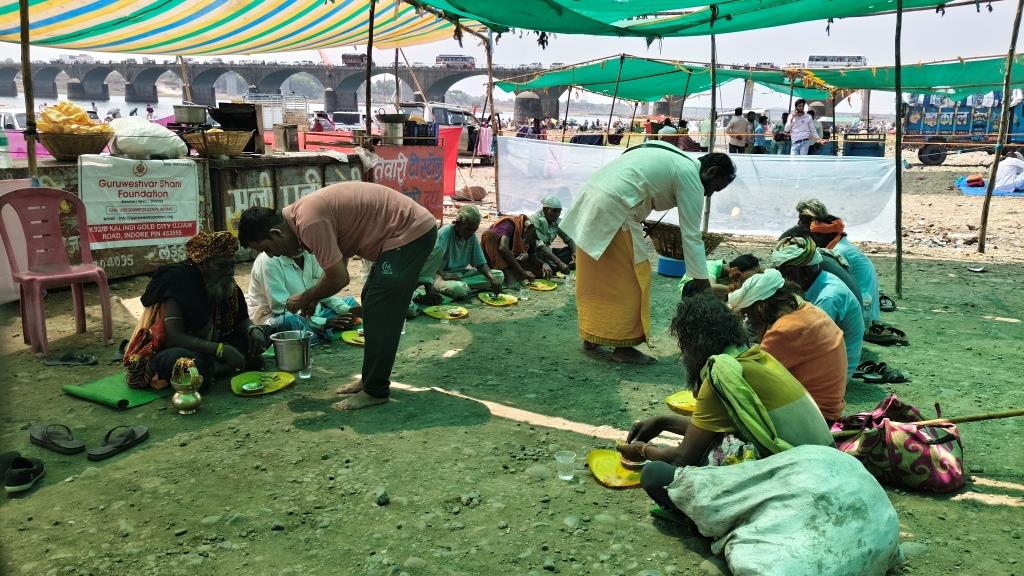
Donating through a trusted organization ensures your contribution reaches the truly needy.

Guruweshvar Shani Foundation works for:

  • गरीबों को भोजन वितरण

  • गरीब बच्चों की सहायता

  • धार्मिक और सामाजिक सेवा

  • Shani Dev related spiritual activities

 Your donation on Shani Jayanti becomes a powerful karmic remedy when done with pure intention.

Powerful Mantras for Shani Jayanti

  • Om Sham Shanicharaya Namah

  • Nilanjanam Samabhasam Ravi Putram Yamagrajam…

  • Shani Gayatri Mantra

Chanting 108 times enhances the effect of donation and rituals.

Important Do’s & Don’ts

Do’s

  • Stay calm and avoid anger
  • Help the needy
  • Wear dark/black clothes
  • Maintain discipline

 Don’ts

  • Avoid alcohol and non-veg
  • Do not insult anyone
  • Avoid cutting trees or harming animals

Most Auspicious Items for Shani Daan

  • Black Sesame Seeds (Til)
    Known for absorbing negative energies and reducing Shani dosha.

  • Mustard Oil (Sarson Tel)
    Offered to Shani Dev for relief from hardships and obstacles.

  • Black Clothes
    Symbolize surrender and help balance Saturn’s energy.

  • Iron Items (Loha)
    Associated with Shani Dev; donating iron removes karmic burdens.

  • Black Blanket
    Donating to the poor brings protection and stability in life.

  • Footwear (Chappal/Shoes)
    Helps reduce suffering and is considered a noble act of charity.

  • Urad Dal (Black Gram)
    Strengthens Saturn’s positive influence.

  • Food & Grains
    Feeding the poor is the most powerful form of Shani remedy.

  • Feeding Animals (Crow, Black Dog)
    Especially important as crow is considered Shani Dev’s vehicle.

The Astrological Marvel: The Rare Shani-Amavasya Yoga of 2026

What makes May 16, 2026, so phenomenally significant? It is the rare convergence of three distinct astrological markers:

  1. Shani Jayanti (The birth anniversary of Saturn).

  2. Amavasya Tithi (The New Moon, ruled by ancestral energies and ideal for karmic clearing).

  3. Shanivar (Saturday, the day of the week ruled exclusively by Lord Shani).

When Shani Jayanti falls on a Saturday, it forms the ultra-rare Shanivari Amavasya Yoga (also known as Shani Amavasya). This triple-threat combination acts as an astrological multiplier. The cosmic frequencies of Lord Shani are at their absolute peak on this day.

Why is this Yoga so Powerful?

  • Karmic Reset: Amavasya represents the dark moon, a time for introspection, releasing the past, and honoring ancestors (Pitrus). Combined with Saturn’s energy of karma, this day offers a unique “cosmic loophole” to clear deep-seated karmic debts (Rina) from past lives.

  • Sade Sati and Dhaiya Relief: For individuals undergoing the grueling phases of Shani Sade Sati (the 7.5-year Saturn transit) or Shani Dhaiya (the 2.5-year Saturn transit), this specific day is a golden opportunity. Remedies performed on a Shanivari Shani Jayanti are said to be a hundred times more effective than on a standard Shani Jayanti.

  • Exaltation of Discipline: Saturday is Saturn’s own day. Initiating vows of discipline, starting a long-term fasting routine, or making a solemn resolution to abandon a bad habit on this day carries the immense backing of the universe.

Astrological Impact on Zodiac Signs in 2026

Depending on Saturn’s transit in 2026, certain moon signs will be under his direct influence. While personalized chart readings are recommended, those under the influence of Aries, Pisces, and Aquarius (who may be experiencing phases of Sade Sati during this era) should take special care to utilize this rare Yoga for pacification rituals.

Conclusion

Shani Jayanti is not just a festival—it’s a spiritual opportunity to transform your karma. By performing rituals and making sincere donations, you align yourself with justice, discipline, and divine blessings.

 This Shani Jayanti 2026, take a step toward better karma—donate, serve, and seek blessings of Shani Dev.

FAQ – Shani Jayanti Donation

1. What is the best time for Shani Jayanti donation?

The best time is during sunrise, sunset, or Shani Hora on Amavasya day.

2. Which things should be donated on Shani Jayanti?

Black clothes, sesame seeds, mustard oil, iron items, and food for the poor.

3. Can donation reduce Shani Dosha?

Yes, sincere donation and service can significantly reduce the negative effects of Shani.

4. Is feeding animals important on Shani Jayanti?

Yes, feeding crows and black dogs is highly beneficial and pleases Shani Dev.

5. Can I donate online for Shani Jayanti?

Yes, you can donate through trusted organizations like Guruweshvar Shani Foundation to ensure your charity reaches the needy.

6. What mantra should be chanted during donation?

Chant “Om Sham Shanicharaya Namah” while donating for maximum benefit.

You can donate directly on our official

Shani Jayanti Donation page
and seek blessings of Shani Dev.

Shani Jayanti 2026 Date Timings – Rituals & Spiritual Significance Read More »

Akshaya Tritiya 2026: Exact Date, Gold Buying Shubh Muhurat, and Significance of Donation

Akshaya Tritiya 2026 Puja Vidhi, Akshaya Tritiya 2026 Date and Time, Shubh Muhurat to buy gold 2026, Shubh Muhurat to buy gold 2026

Akshaya Tritiya 2026

Akshaya Tritiya, also known as Akha Teej, is one of the most highly anticipated and spiritually significant festivals in the Hindu and Jain calendars. Translated from Sanskrit, the word Akshaya means “never diminishing” or “eternal,” while Tritiya refers to the third lunar day of the Vaisakha month. Whether you are looking to invest in gold, start a new business venture, or accumulate good karma through charity, any action performed on this auspicious day is believed to yield endless, multiplying benefits. If you are preparing for Akshaya Tritiya 2026, this guide breaks down the exact dates, the most auspicious timings (Shubh Muhurat) to buy gold, and why giving back to society on this day holds immense power.

Akshaya Tritiya 2026: Exact Date and Tithi Timings

In 2026, the primary day for Akshaya Tritiya falls on Sunday, April 19. While the entire day is considered exceptionally auspicious without the need for a specific window, observing the exact lunar timings (Tithi) ensures you align your rituals perfectly with the cosmos.

EventDate & Time (2026)
Festival DateSunday, April 19, 2026
Tritiya Tithi BeginsApril 19, 10:49 AM
Tritiya Tithi EndsApril 20, 07:27 AM
Main Puja MuhuratApril 19, 10:49 AM – 12:20 PM

Note: Because the Tritiya Tithi is active throughout the afternoon and evening of April 19, the majority of fasting, feasting, and shopping will take place on this Sunday.

Shubh Muhurat: The Best Times to Buy Gold

Purchasing gold on Akshaya Tritiya is an age-old tradition. Gold symbolizes wealth, security, and the blessings of Goddess Lakshmi. It is believed that buying precious metals on this day guarantees everlasting prosperity that remains in your family for generations. While the general window for buying gold opens at 10:49 AM on April 19 and lasts until 05:51 AM on April 20, here are the specific auspicious slots (Choghadiya Muhurats) to plan your jewelry or coin shopping:

Time SlotMuhurat TypeExact Timing
Morning WindowChara, Labha, Amrita10:49 AM – 12:20 PM (April 19)
Afternoon WindowShubha01:58 PM – 03:35 PM (April 19)
Evening WindowShubha, Amrita, Chara06:49 PM – 10:57 PM (April 19)
Late Night WindowLabha01:43 AM – 03:05 AM (April 20)
Early Morning WindowShubha04:28 AM – 05:51 AM (April 20)

Why Do We Buy Gold on Akshaya Tritiya?

In Hindu mythology, Goddess Lakshmi (the deity of wealth) resides in the heart of Lord Vishnu. Because Akshaya Tritiya is deeply linked to the worshipping of the Lakshminarayana form of Lord Vishnu, buying gold is a physical manifestation of inviting Goddess Lakshmi into your home. The investment you make on this day is believed to be shielded from loss, multiplying steadily over time.

The Everlasting Power of Donation (Daan) on Akshaya Tritiya

While buying gold brings material wealth, making a donation (Daan) on Akshaya Tritiya is arguably even more important because it cultivates spiritual wealth.

The Dharma Shastras emphasize that charity given with a pure heart on this specific day destroys accumulated sins and yields eternal rewards. Because the energy of the day is “Akshaya” (undiminishing), even the smallest act of kindness echoes into eternity.

What Should You Donate?

To maximize your spiritual merit and invite blessings of good health and peace, consider donating the following:

  • Food (Anna Daan): Known as the supreme act of charity (Maha Daan). Feeding the hungry, helpless, or differently-abled children ensures perpetual prosperity and divine blessings.

  • Water and Cooling Foods: Because the festival falls during the heat of the Vaisakha month, donating water-filled earthen pots (Matkas), roasted gram flour (Sattu), jaggery, and fresh summer fruits is highly recommended.

  • Cow Care (Gau Seva): Feeding, sheltering, or contributing to the medical treatment of injured and abandoned cows is viewed as an immensely divine act that brings peace to your family.

  • Support for Temples: Contributing to the maintenance of temples or offering resources to priests keeps the spiritual ecosystem thriving.

  • Spiritual Insight: “Giving with devotion brings blessings.” The merit of your donation on Akshaya Tritiya is not measured by its monetary size, but by the sincerity, faith, and humility with which it is offered.

Step-by-Step Puja Vidhi at Home

Many users search for “how to do puja” on this day. Adding this makes your post a “how-to” guide, which Google loves.

How to Perform Akshaya Tritiya Puja (Step-by-Step)

If you are celebrating at home, follow this traditional sequence to invite prosperity:

  1. Preparation: Wake up during Brahma Muhurta (4:30 AM – 6:00 AM). Clean your home and the puja altar. Wear yellow or white clothes, as these colors symbolize purity and Lord Vishnu.

  2. The Altar Setup: Place a yellow cloth on a wooden chowki. Set up the idols or photos of Lord Vishnu and Goddess Lakshmi.

  3. The Kalash Sthapana: Fill a copper or brass pot with water, place mango leaves at the neck, and a coconut on top. This represents the “Akshaya Patra” (the vessel of abundance).

  4. Offerings (Shodashopachara): * Offer Tulsi leaves (mandatory for Vishnu).

    • Offer Yellow flowers and sandalwood paste.

    • Bhog (Food): Offer Poha (beaten rice), Sattu (roasted gram flour), and seasonal fruits like watermelons or cucumbers.

  5. Chanting: Recite the Vishnu Sahasranama or simply chant “Om Namo Bhagavate Vasudevaya” 108 times. For wealth, chant the Kanakadhara Stotram.

  6. Aarti: Conclude with the Lakshmi-Vishnu Aarti and distribute the prasad to your family.

Beyond Gold: Alternative Investments for 2026

This section targets “Modern Investors” and increases your keyword reach.

While physical gold is the tradition, 2026 presents modern ways to honor the spirit of “Akshaya” (growth) without the hassle of storage:

  • Sovereign Gold Bonds (SGB): A great way to buy gold “on paper” while earning 2.5% annual interest.

  • Digital Gold: Perfect for those on a budget; you can start investing with as little as ₹1.

  • Silver Utensils: Buying silver is considered equally auspicious and is more affordable for many families.

  • Real Estate: Many people choose this day to make a booking amount payment for a new home or plot, symbolizing long-term stability.

  • Barley (Jau): In Vedic tradition, buying or offering Barley is considered “Gold for the soul.” It is highly recommended if you are avoiding heavy expenses this year.

The Legend of Sudama and the Akshaya Patra

Storytelling increases “dwell time” (how long people stay on your page), which is a huge ranking factor.

Why Does What We Give Multiply?

Two famous legends define this day:

  • Sudama & Krishna: On this day, the poor Brahmin Sudama visited his friend Lord Krishna with nothing but a handful of Poha (beaten rice). Krishna accepted it with such love that he transformed Sudama’s hut into a palace. This is why Poha is a key offering today.

  • The Akshaya Patra: During the exile of the Pandavas, Lord Krishna gifted Draupadi the Akshaya Patra—a vessel that would never run out of food until she had finished her meal. This story reminds us that on Akshaya Tritiya, our resources are replenished by the divine.

Do’s and Don’ts

Google often pulls tables into “Featured Snippets” at the top of the search page.

What to Do (Do’s)What to Avoid (Don’ts)
Start a new business or job.Don’t borrow money or take new loans.
Donate water, umbrellas, or food.Avoid eating non-veg or drinking alcohol.
Buy gold, silver, or new clothes.Don’t let the house remain dark (light a diya).
Perform Pitru Tarpan (ancestral rites).Avoid arguments or harsh speech.

Frequently Asked Questions (FAQ)

Q: Can we buy gold after sunset on Akshaya Tritiya 2026? A: Yes, you can. In 2026, the Tritiya Tithi is active until the morning of April 20th. Buying gold during the evening “Shubha” or “Amrita” Choghadiya on April 19th is highly auspicious.

Q: What is the best time (Muhurat) to buy gold in 2026? A: The most powerful window begins at 10:49 AM on April 19, 2026. For those looking for evening slots, 06:49 PM to 10:57 PM is excellent.

Q: Is Akshaya Tritiya 2026 good for Griha Pravesh (Housewarming)? A: Absolutely. It is an Abujha Muhurat, meaning the entire day is pure and requires no special calculation for starting a stay in a new home.

Q: What should I donate if I am on a budget? A: The merit of donation is in the intention. Donating cool water in an earthen pot (Matka), seasonal fruits like Muskmelon, or simple food grains like Barley (Jau) is considered very rewarding.

Akshaya Tritiya 2026: Exact Date, Gold Buying Shubh Muhurat, and Significance of Donation Read More »

How Indians in the USA Can Donate to India (Temple, Charity & Shani Seva Guide )

Shani Amavasya donation from USA

online donation India from USA

Living thousands of miles away from India doesn’t weaken your connection to your roots—it often strengthens it. For millions of Indians residing in the United States, staying spiritually connected while contributing to society back home is deeply meaningful.

In Sanatan Dharma, daan (charity) is not just an act of kindness—it is a sacred duty. Whether it is feeding the poor, supporting education, or offering donations in temples, every contribution carries spiritual significance.

Today, thanks to digital platforms, NRIs can easily donate to India from the USA and participate in religious and charitable activities without being physically present.

Importance of Shani Dev in Life

In Hindu belief, Shani Dev represents karma, justice, and discipline. His blessings can bring stability, success, and protection from hardships.

Many devotees perform:

  • Shani puja
  • Donations on Amavasya
  • Charity to the poor

These acts are believed to reduce negative planetary effects and bring peace and prosperity.

👉 Especially during Shani Amavasya, donating food, clothes, or money is considered highly beneficial.

Why Donation (Daan) is Important in Sanatan Dharma

Charity is one of the highest forms of dharma. Scriptures emphasize that helping the needy:

  • Reduces karmic burden
  • Brings inner peace
  • Attracts divine blessings

For NRIs, donating to India is also a way to:

  • Stay connected to culture
  • Support underprivileged communities
  • Create a lasting impact.

Ways NRIs Can Donate to India from the USA

Here are the most effective ways to contribute:

🥗 1. Food Donation (Annadaan)

Providing meals to the poor is considered the greatest form of charity.

🎓 2. Education Support

Helping children access education creates long-term change.

🛕 3. Temple Donation

Supporting temple construction and maintenance preserves culture and spirituality.

🐄 4. Gau Seva

Caring for cows is highly revered in Hindu tradition.

👵 5. Elderly Support

Helping abandoned or needy elderly individuals brings immense blessings.

A Trusted Organization Making Impact in India

Guruweshvar Shani Foundation

The Guruweshvar Shani Foundation is dedicated to serving society through both spiritual and humanitarian efforts.

 Key Initiatives:

  • Food distribution for the needy
  • Support for poor children
  • Assistance for elderly individuals
  • Development of spiritual centers

One of its major missions is the construction of 101 Shani temples across India, creating spaces that combine devotion with community service.

👉 This unique approach ensures that spirituality is connected with real-world impact.


How to Donate to India from the USA

Donating is now simple and secure:

  • Online payment options available
  • Accepts international contributions
  • Quick and transparent process

Tips for NRIs:

  • Always verify the organization
  • Check transparency and updates
  • Choose causes aligned with your values

Why Your Contribution Matters

Even a small donation can:

  • Feed a hungry family
  • Educate a child
  • Support someone in need
  • Strengthen spiritual initiatives

👉 Your support from the USA can create real change in India.


Serving Devotees Worldwide

The Guruweshvar Shani Foundation proudly serves devotees across:

  • United States 🇺🇸
  • United Kingdom 🇬🇧
  • Canada 🇨🇦
  • Australia 🇦🇺

No matter where you live, you can stay connected to your roots and contribute meaningfully.


Support the Mission Today

If you believe in the power of charity and spirituality, this is your opportunity to make a difference.

👉 Donate today and:

  • Receive divine blessings
  • Help those in need
  • Stay connected to your culture

Frequently Asked Questions (FAQ)

Can NRIs donate to India legally?

Yes, NRIs can legally donate to registered organizations in India through online platforms.

Is online donation safe?

Yes, if you donate through trusted and verified organizations.

What is the best time to donate?

Amavasya, especially Shani Amavasya, is considered highly auspicious.

Can I donate in USD?

Yes, most organizations accept international payments.

Also Read – Shani Jayanti 2026 Falling on Saturday – Why This Rare and Extremely Special

How Indians in the USA Can Donate to India (Temple, Charity & Shani Seva Guide ) Read More »

Amavasya 2026 Dates : Complete Guide to Dates, Donations

Amavasya 2026

Amavasya 2026: Complete Guide to Dates, Significance and Rituals

What is Amavasya?

Amavasya is the New Moon day when the Moon is not visible in the sky. It marks the end of the lunar cycle and is considered highly spiritual in Hindu tradition.

  • Inner cleansing
  • Ancestor rituals (Pitru Tarpan)
  • Removing negative energy
  • Spiritual growth

Amavasya Dates 2026

  • 18 January 2026 – Magha Amavasya
  • 17 February 2026 – Phalguna Amavasya
  • 19 March 2026 – Chaitra Amavasya
  • 17 April 2026 – Vaishakha Amavasya
  • 16 May 2026 – Jyeshtha (Shani Amavasya)
  • 15 June 2026 – Adhik Jyeshtha Amavasya
  • 14 July 2026 – Ashadha Amavasya
  • 12 August 2026 – Shravan Amavasya
  • 10 September 2026 – Bhadrapada Amavasya
  • 10 October 2026 – Ashwin Amavasya
  • 8 November 2026 – Kartik Amavasya (Diwali)
  • 8 December 2026 – Margashirsha Amavasya

Importance of Each Amavasya

Magha Amavasya

Highly sacred, associated with Mauni Amavasya and holy river bathing.

Phalguna Amavasya

Best for ancestor rituals and spiritual cleansing.

Chaitra Amavasya

Marks transition into a new Hindu year.

Vaishakha Amavasya

Ideal for charity and helping the poor.

Jyeshtha Amavasya (Shani Amavasya)

Dedicated to Lord Shani. Oil donation and puja are important.

Adhik Jyeshtha Amavasya

Occurs in Adhik Maas, highly spiritual for meditation.

Ashadha Amavasya

Important for agriculture and nature worship.

Shravan Amavasya

Dedicated to Lord Shiva.

Bhadrapada Amavasya

Associated with Pitru rituals.

Ashwin Amavasya

Known as Sarva Pitru Amavasya.

Kartik Amavasya

Celebrated as Diwali, festival of lights.

Margashirsha Amavasya

Good for meditation and peace.

 Rituals to Perform

  • Pitru Tarpan
  • Deep Daan (lighting lamps)
  • Ann Daan (feeding poor)
  • Shani Puja
  • Holy river bath

Spiritual Benefits

  • Relief from Pitru Dosha
  • Peace of mind
  • Reduction of negative karma
  • Spiritual growth

 Importance of Charity

Donating food, clothes, oil, and essentials on Amavasya brings immense spiritual merit.

Things to Avoid

  • Starting new work
  • Non-veg food
  • Negative thoughts
  • Conflicts

Conclusion

Amavasya 2026 offers powerful opportunities for spiritual growth, ancestor worship, and charity. Observing it properly can bring peace, prosperity, and blessings.

FAQs

1. How many Amavasya are there in 2026?

There are 12 Amavasya in 2026.

2. Which Amavasya is most important?

Kartik Amavasya (Diwali) and Mauni Amavasya are considered highly significant.

3. Can we donate on Amavasya?

Yes, charity on Amavasya is highly beneficial.

4. What should we do on Amavasya?

Perform Tarpan, donate, meditate, and pray.


Amavasya 2026 Dates : Complete Guide to Dates, Donations Read More »