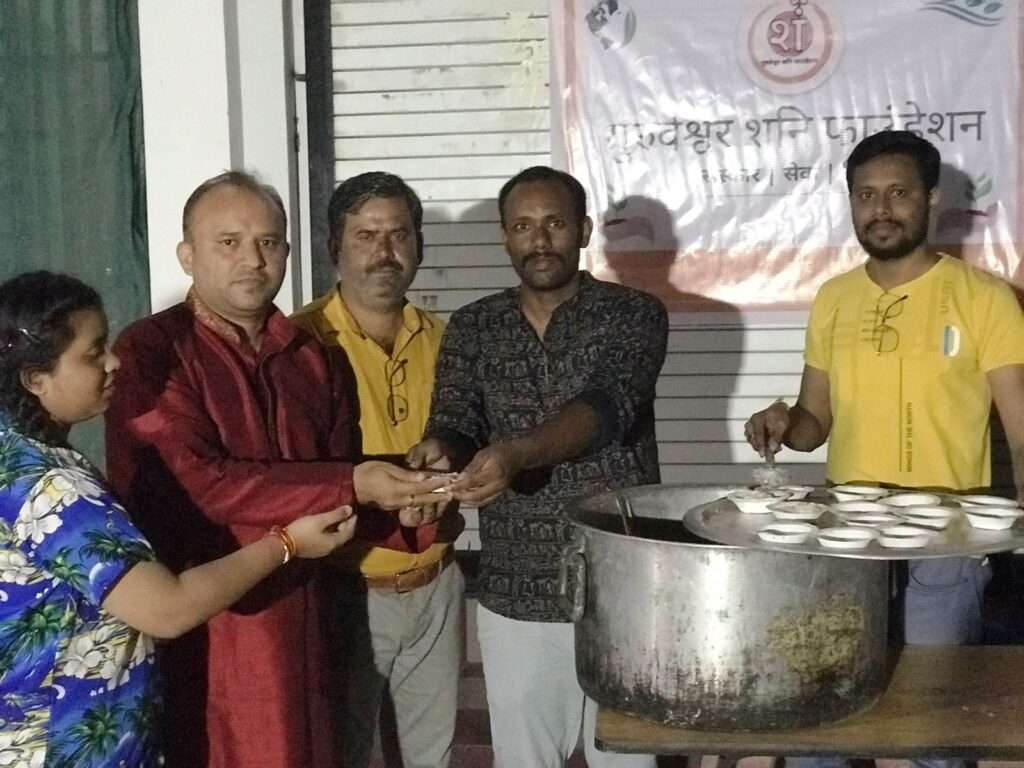
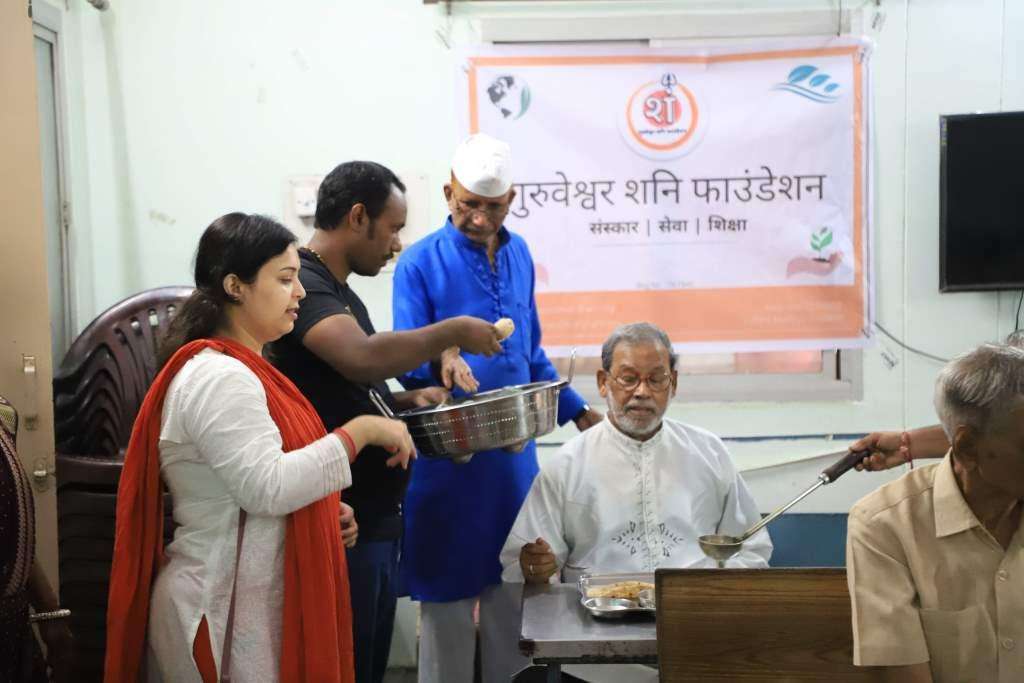
Sharad Purnima 2026: Date, Puja Vidhi, Kheer Ritual, Vrat and Donation Importance
Sharad Purnima 2026 will be observed on Sunday, 25 October 2026. This sacred full-moon festival holds a special place in Hindu tradition and is associated with Goddess Lakshmi, Lord Krishna and the worship of Chandra Dev. On this auspicious night, devotees perform puja, prepare traditional rice kheer, observe a vrat according to their family customs and participate in acts of charity.
Sharad Purnima is also known as Kojagari Purnima and Raas Purnima in different regions. For many families, the festival is an opportunity to express gratitude, pray for prosperity and share food with those in need. Donating food, clothes or essential supplies can make the occasion even more meaningful.
If you are looking for the Sharad Purnima 2026 date, puja vidhi, shubh timings, kheer tradition, vrat rules and donation ideas, this guide explains the important details in simple language.
Sharad Purnima 2026 Date and Tithi Timings
Sharad Purnima falls on the full-moon night of the Hindu month of Ashwin. In 2026, the main observance will take place on Sunday, 25 October.
| Event | Date and time |
|---|---|
| Sharad Purnima 2026 | Sunday, 25 October 2026 |
| Purnima Tithi Begins | 25 October, 11:55 AM |
| Purnima Tithi Ends | 26 October, 9:41 AM |
| Moonrise in New Delhi | Approximately 5:00 PM on 25 October |
| Moonrise in other cities | Varies by location |
Timings are based on the New Delhi Panchang and may vary slightly according to location and calendar calculations. Check your local Panchang before performing the puja.
What Is the Significance of Sharad Purnima?
Sharad Purnima marks a spiritually significant full-moon night in Hindu tradition. The clear autumn sky, bright moonlight and traditional evening worship give the festival its distinctive character.
There are several beliefs and customs associated with this occasion.
1. Worship of Goddess Lakshmi
Sharad Purnima is widely associated with Goddess Lakshmi, the Hindu goddess of prosperity and abundance. Many devotees perform Lakshmi Puja at night and pray for peace, financial stability, wisdom and harmony within the family.
In the tradition of Kojagari Purnima, devotees may stay awake at night and worship the goddess with devotion.
2. The Tradition of Moonlit Kheer
One of the best-known customs is preparing rice kheer and placing it under the open sky in the moonlight. Traditionally, devotees believe that the moonlight on Sharad Purnima has a special, nectar-like quality.
The kheer is later offered to the deity and distributed among family members as prasad. This is a religious and cultural tradition, not a scientifically established health treatment.
3. Connection with Lord Krishna
In the Braj region, Sharad Purnima is also called Raas Purnima. According to Hindu devotional tradition, this night is associated with Lord Krishna’s Maha Raas with the gopis of Vrindavan.
Devotees remember the occasion through Krishna bhajans, prayers, devotional singing and other religious activities.
4. A Day for Gratitude and Charity
Sharad Purnima is also a meaningful occasion to practise compassion. Offering food to people in need, supporting community kitchens and helping disadvantaged families are ways to turn religious devotion into practical service.
Charity does not have to involve a large amount. Even a modest contribution made sincerely can help someone meet an essential need.
Sharad Purnima 2026 Puja Vidhi: Step-by-Step Guide
Devotees can perform Sharad Purnima Puja at home by following their family traditions. The following is a simple puja vidhi suitable for many households.
Step 1: Clean the Puja Area
Clean the home and prepare a peaceful place for worship. Place a picture or idol of Goddess Lakshmi or your family deity on a clean platform.
Arrange flowers, a diya, incense, fruits and other customary puja items.
Step 2: Take a Bath and Make a Sankalp
After bathing, wear clean clothes and take a sankalp to observe the festival with devotion. Those observing a fast may follow their customary fasting rules according to their health and family traditions.
Step 3: Worship Goddess Lakshmi
Light a diya and offer flowers, kumkum, akshat, fruits and sweets as appropriate to your tradition. Pray for prosperity, peace, wisdom and the well-being of your family.
You may recite a Lakshmi mantra, read a Lakshmi stotra or perform Lakshmi Aarti.
Step 4: Offer Prayers to Chandra Dev
After moonrise, devotees traditionally offer prayers to Chandra Dev. Some families offer arghya using clean water, following their customary practice.
The precise ritual and timing can differ between regional traditions.
Step 5: Prepare Rice Kheer
Prepare kheer using milk, rice, sugar and, if desired, cardamom and dry fruits. Keep the offering in a clean, covered vessel.
Traditionally, many families place the kheer in the moonlight for some time or overnight. Follow your family’s custom while keeping the food protected from insects, dust and other contamination.
Step 6: Perform Aarti and Distribute Prasad
Conclude the puja with aarti and prayers. Offer the kheer to the deity and distribute it among family members and other devotees.
You can also share food with neighbours or people who may not have the means to prepare a festive meal.
Sharad Purnima Kheer Ritual: Why Is Kheer Prepared?
Rice kheer is one of the most important foods associated with Sharad Purnima. Its preparation brings families together and represents devotion, sharing and celebration.
According to popular belief, the moonlight on this night is associated with amrit, or divine nectar. For this reason, many devotees place kheer beneath the moonlight before offering and consuming it as prasad.
Here are a few practical points to remember:
- Prepare the kheer using fresh ingredients and clean utensils.
- Place it in a clean, covered container.
- Keep it protected from insects, animals and environmental contamination.
- Refrigerate perishable food when needed rather than leaving it unrefrigerated overnight.
- Distribute the prasad respectfully and avoid food wastage.
The tradition can be followed with devotion while also maintaining everyday food-safety practices.
Sharad Purnima Vrat Rules
Many devotees observe a fast on Sharad Purnima, while others participate through puja and prayer without fasting.
Common practices include:
- Taking a bath and making a sankalp in the morning.
- Offering prayers to Goddess Lakshmi, Lord Vishnu or the family deity.
- Avoiding food or following a fruit-based or other customary vrat diet, depending on family practice.
- Preparing kheer or another traditional offering.
- Performing evening prayers and, where customary, remaining awake for part of the night.
- Giving food, clothes or other useful items to people in need.
Fasting rules are not identical across all communities. People with medical conditions, those taking regular medication, children and older adults should avoid strict fasting unless it is appropriate for them.
Sharad Purnima 2026 Donation: What Can You Donate?
Sharad Purnima is an opportunity to celebrate devotion through acts of kindness. If you wish to mark the festival with charity, consider making a contribution that meets a genuine community need.
1. Food Donation
Donate groceries, cooked meals or food supplies to a trusted charitable organisation or community kitchen. Food donations can help families and individuals who struggle to afford daily meals.
2. Donation for Saints and Needy People
Some devotees choose to provide meals and essential supplies to sadhus, saints and other people in need. Consider supporting a transparent programme that can explain how donations are used.
3. Clothing Donation
Clean clothes, blankets and other useful items can support disadvantaged families. Give items that are in good condition and suitable for the intended recipients.
4. Temple Seva and Religious Contributions
Devotees may contribute towards temple maintenance, daily worship, religious activities or community service. Before donating, check the organisation’s identity and the stated purpose of the contribution.
5. Education and Community Welfare
A donation towards school supplies, educational assistance or other verified social-welfare projects can help families beyond the festival itself.
Why Make a Donation on Sharad Purnima?
The spirit of charity lies in helping others with sincerity. A thoughtful donation can extend the meaning of the festival beyond personal worship and create a positive impact in the community.
If you choose to donate online, use the organisation’s official website, review the campaign purpose and retain the payment confirmation for your records. Tax benefits should not be assumed unless the organisation and donation meet the applicable legal requirements.
How to Celebrate Sharad Purnima with Your Family
You do not need an elaborate arrangement to celebrate Sharad Purnima meaningfully. A simple family observance can include:
- Cleaning the puja area and arranging flowers and a diya.
- Offering prayers to Goddess Lakshmi or your family deity.
- Preparing traditional kheer together.
- Listening to devotional songs or reading religious stories.
- Sharing prasad with family members and neighbours.
- Helping a person or family in need through food, supplies or a charitable contribution.
These small activities help preserve cultural traditions and encourage children to understand the importance of gratitude and generosity.
Frequently Asked Questions About Sharad Purnima 2026
1. When is Sharad Purnima in 2026?
Sharad Purnima will be observed on Sunday, 25 October 2026. The Purnima Tithi continues into the morning of 26 October.
2. What is the Purnima Tithi timing in 2026?
According to the New Delhi Panchang, the Purnima Tithi begins at 11:55 AM on 25 October and ends at 9:41 AM on 26 October 2026. Timings may vary slightly by location and Panchang.
3. Which goddess is worshipped on Sharad Purnima?
Goddess Lakshmi is widely worshipped on Sharad Purnima, particularly during the Kojagari observance. Devotees may also worship Chandra Dev, Lord Vishnu or Lord Krishna according to their traditions.
4. Why is kheer kept in the moonlight on Sharad Purnima?
According to popular Hindu belief, the moonlight on Sharad Purnima is associated with divine nectar. Therefore, many families place rice kheer under the moonlight and later offer it as prasad.
5. What should we donate on Sharad Purnima?
You can donate food, groceries, clothing, blankets, educational supplies or money to a verified charitable organisation. Choose a cause that addresses a genuine need and matches your budget.
6. Can I donate online on Sharad Purnima?
Yes. You can donate online through a charitable organisation’s official website after checking its identity, donation purpose and payment details. Keep the receipt or confirmation for your records.
7. Is fasting compulsory on Sharad Purnima?
No single fasting practice applies to every devotee. Some people observe a vrat, while others participate through prayer, puja and charity. Follow your family tradition and consider your health.
8. Is Sharad Purnima also called Kojagari Purnima?
Yes. Sharad Purnima is known as Kojagari Purnima in several regions. In the Braj tradition, it is also associated with Raas Purnima and Lord Krishna’s Maha Raas.
Conclusion
Sharad Purnima 2026 will be celebrated on Sunday, 25 October. The festival brings together the worship of Goddess Lakshmi, prayers to Chandra Dev, the traditional preparation of moonlit kheer and the devotional customs associated with Lord Krishna.
The deeper message of Sharad Purnima is not limited to rituals. It is also an opportunity to express gratitude, strengthen family bonds and extend kindness to others. Whether you observe a vrat, perform puja at home or support a charitable cause, celebrate the occasion with sincerity and compassion.
May Sharad Purnima bring peace, wisdom, prosperity and happiness to every home.
Shubh Sharad Purnima 2026!