Satuvai Amavasya or Sattu Amavasya 2026
As the spring breeze fades and the Indian summer sets in, the Hindu calendar marks a day of profound spiritual and physical preparation: Sattu Amavasya. Also known as Chaitra Amavasya, this day falls on the dark moon day of the first month of the Hindu New Year.
Sattu Amavasya 2026
| Event | Date (2026) | Tithi Starts | Tithi Ends |
| Chaitra Amavasya | March 19 (Thursday) | March 18, 08:25 AM | March 19, 06:52 AM |
| Satuwai Amavasya | April 17 (Friday) | April 16, 08:11 PM | April 17, 05:21 PM |
While it is rooted in ancient tradition, Sattu Amavasya remains incredibly relevant today. Specifically, it acts as a festival that bridges the gap between spiritual devotion and seasonal wellness.
The Significance of Sattu Amavasya
In the lunar calendar, Amavasya is a day for introspection and honoring one’s roots. Furthermore, Sattu Amavasya serves two major purposes:
Ancestral Blessings: Many families prioritize this day to perform Pitra Tarpan (offerings to ancestors). Devotees believe that performing charity on this day brings peace to the souls of the departed.
Seasonal Transition: The day marks the official arrival of the “Sattu season.” Consequently, as temperatures rise, people shift toward foods that the body can digest easily.
Traditional Rituals and Practices
Devotees across India, particularly in the northern and central belts, follow these traditional steps to observe the day:
The Holy Dip: Devotees begin the day by bathing in a sacred river. Alternatively, you can add a few drops of Ganga Jal to your bathwater at home to purify the mind and body.
Pooja and Prayers: Many offer prayers to Lord Vishnu or Lord Shiva to seek strength and prosperity for the coming year.
The Act of Daan (Charity): People emphasize donating items that provide relief from the heat. In particular, common donations include:
Sattu (Roasted gram flour)
Earthen pots (Matkas) for cool water
Umbrellas and Hand fans
Seasonal fruits like watermelon or muskmelon
Why Sattu? The Science Behind the Tradition
The naming of this festival after a food item is no coincidence. In fact, our ancestors integrated health wisdom into religious festivals to ensure seasonal discipline.
1. Natural Coolant
Sattu acts as a powerful natural coolant. For instance, drinking Sattu Sharbat helps the body regulate its temperature. This prevents heatstrokes during the peak summer months.
2. Nutritional Powerhouse
Nutritionists often call Sattu the “Poor Man’s Protein.” Moreover, it provides a dense source of plant-based protein, fiber, and essential minerals like iron. Because it has a low glycemic index, it provides sustained energy without spiking blood sugar levels.
3. Digestive Health
The high fiber content in roasted gram helps cleanse the colon. As a result, it improves digestion, which often becomes sluggish during the hot months.
How to Incorporate Sattu into Your Diet
You can enjoy the benefits of Sattu without following complex recipes. To start, try these two classic methods:
Sattu Sharbat (Savory): Mix 2 tablespoons of Sattu in a glass of chilled water. Next, add a pinch of roasted cumin powder, black salt, and a squeeze of lemon for a natural energy drink.
Sattu Paratha/Litti: You can also season Sattu with garlic, ginger, and pickles. Following this, use the mixture as a hearty filling for traditional breads.
The Power of Donation on Sattu Amavasya
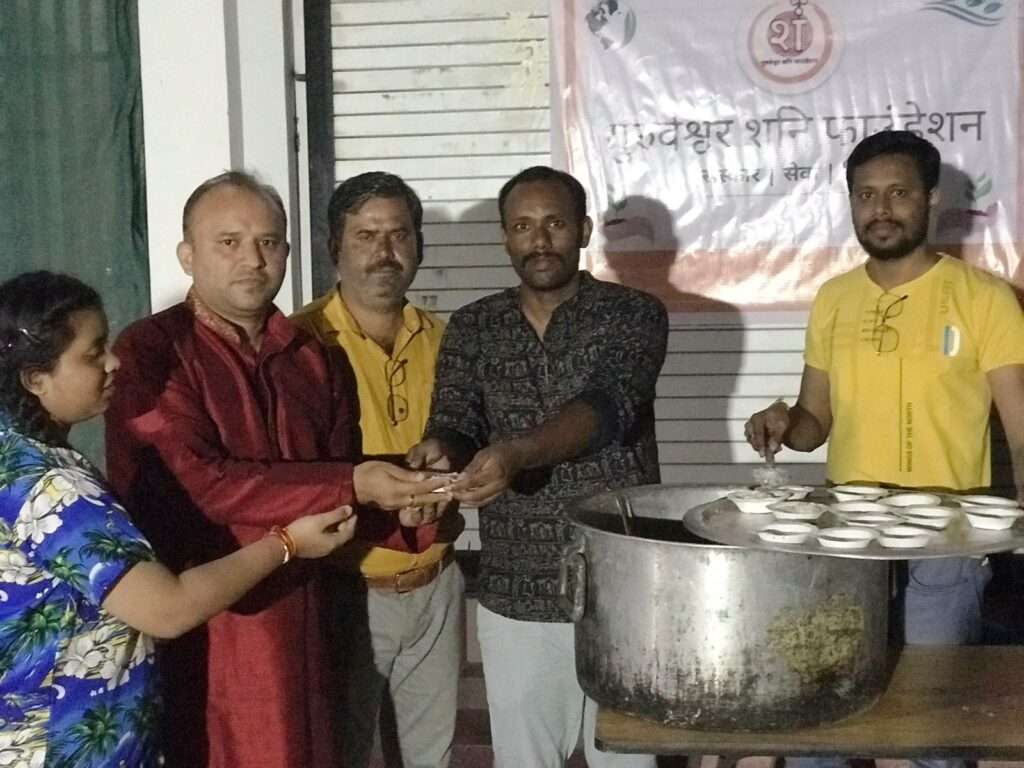
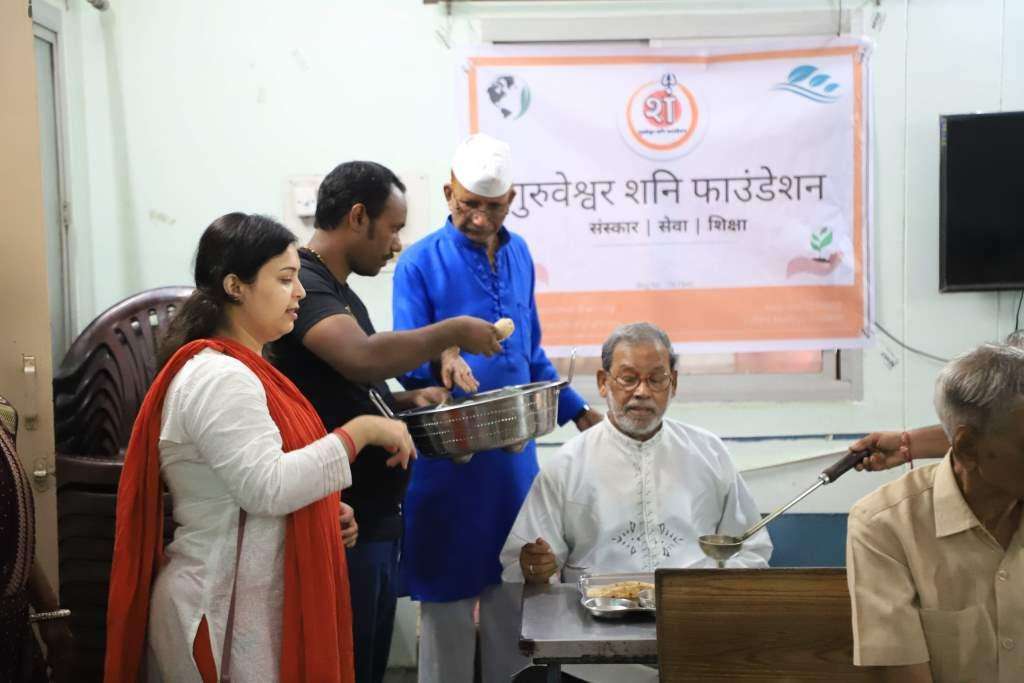
Charity, or Daan, represents the soul of Sattu Amavasya. Furthermore, traditional beliefs suggest that the merit of giving on this day multiplied because it falls during a significant seasonal shift. By donating, you not only help the needy but also honor your ancestors through selfless service.
What Should You Donate?
Specifically, donors focus on items that provide immediate relief from the rising summer heat. Consider including these items in your contribution:
Food and Water: Giving Sattu is the most traditional choice. Additionally, many people donate earthen water pots (matkas) to provide cool drinking water to travelers and laborers.
Protection from the Sun: You can donate umbrellas, hand fans, or light cotton clothes. Consequently, these items offer practical protection to those who must work outdoors in the heat.
Seasonal Produce: Donating cooling fruits like watermelons, cucumbers, or musk melons is highly encouraged. In fact, these donations help balance the body’s hydration during the Chaitra month.
The Spiritual Benefit of Giving
In addition to the physical help provided to others, the act of giving cleanses the heart. As a result, many practitioners believe that these acts of kindness remove obstacles from one’s life and bring peace to the household. Ultimately, Sattu Amavasya reminds us that our spiritual growth is deeply connected to how we care for the community around us.
Conclusion
Sattu Amavasya is more than just a religious date; it is a celebration of sustainability and mindful living. By honoring ancestors and adapting our diets to the environment, we align ourselves with the natural rhythm of the Earth. Whether you observe it for spiritual reasons or to kickstart a summer health routine, Sattu Amavasya offers a perfect moment to refresh.
Read Also – Donations for Sade Sati Based on Each Zodiac Sign
Frequently Asked Questions (FAQ)
1. What is the significance of Sattu Amavasya?
Sattu Amavasya marks a vital spiritual and seasonal transition in the Hindu calendar. Specifically, it allows devotees to honor their ancestors while preparing their bodies for the intense summer heat by consuming cooling foods.
2. Why do people eat Sattu on this specific day?
People eat Sattu because it acts as a natural internal coolant. Furthermore, our ancestors established this tradition to ensure that we include high-protein, easily digestible grains in our diet as the temperatures begin to rise.
3. Can I perform Pitra Tarpan at home?
Yes, you can perform ancestral rituals at home if you cannot reach a holy river. To do this, simply add a few drops of Ganga Jal to your bathwater and offer water and black sesame seeds toward the south while reciting prayers for your ancestors.
4. What items are best for donation on this day?
Donors usually choose items that provide relief from the sun. In particular, giving Sattu, earthen water pots, umbrellas, and seasonal fruits like watermelon brings great spiritual merit. Consequently, these gifts help the underprivileged stay safe during the summer.
5. Is Sattu Amavasya the same as Chaitra Amavasya?
Generally, yes. Sattu Amavasya usually falls on the Chaitra Amavasya. However, some regions also celebrate a “Satuwai” festival during the Vaishakh month. Ultimately, both days emphasize the same themes of charity and seasonal wellness.
6. How do I make a traditional Sattu drink for the festival?
Making the drink is very simple. First, mix two tablespoons of Sattu in a glass of chilled water. Next, add black salt, roasted cumin powder, and lemon juice. Finally, stir it well and consume it on an empty stomach for the best cooling effects.