Anna Daan

Vinayaka Chavithi 2026 Pooja Timings: Date, Muhurat, Donation and Visarjan
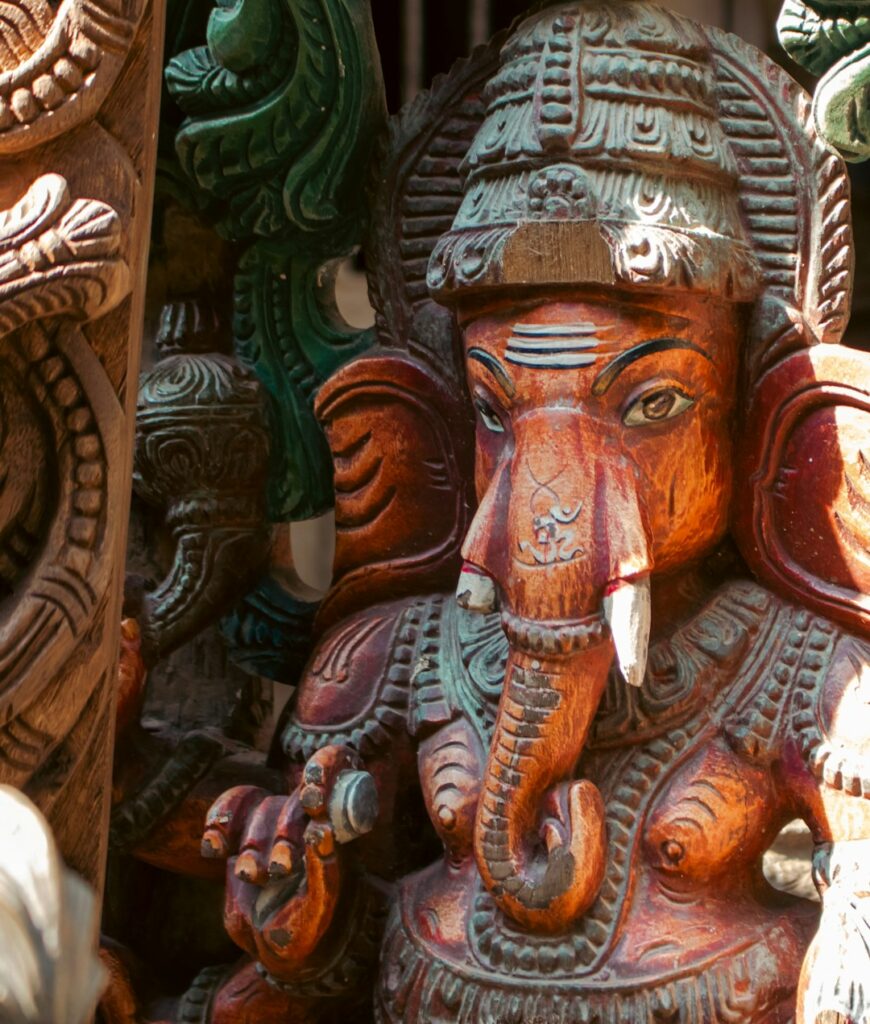
Ganesha idol worshipped during Vinayaka Chavithi

Vinayaka Chavithi 2026: Date, Muhurat, Donation and Visarjan Guide for the USA

Vinayaka Chavithi — celebrated across India as Ganesh Chaturthi — marks the birth of Lord Ganesha, the remover of obstacles (Vighnaharta) and bestower of wisdom. In 2026, this joyous ten-day festival falls on Monday, September 14, and it holds special meaning for Indian-American families who want to keep their roots alive while adjusting the rituals to US time zones and apartment living. This guide covers the exact date, the puja muhurat, the significance of donation (daan) during the festival, and how to perform an eco-friendly visarjan wherever you live in the USA.

When Is Vinayaka Chavithi 2026?

Vinayaka Chavithi falls on the Chaturthi tithi of Bhadrapada Shukla Paksha. In 2026, the tithi begins at 7:06 AM IST on September 14 and concludes at 7:44 AM IST on September 15. The ten-day festival then runs through to Ganesh Visarjan on Anant Chaturdashi, Friday, September 25, 2026.

Occasion2026 Date (IST)
Chaturthi Tithi Begins7:06 AM, September 14
Madhyahna Puja Muhurat11:02 AM – 1:31 PM, September 14
Chaturthi Tithi Ends7:44 AM, September 15
Ganesh Visarjan (Anant Chaturdashi)September 25, 2026

Puja Muhurat Timings Across the USA

Tradition places Ganesha’s birth in the Madhyahna (midday) window, which falls between roughly 11:00 AM and 1:30 PM IST on September 14. Since most Indian-American households cannot align to Indian daytime hours, the accepted practice among NRIs is to observe a local Madhyahna at the same clock hours in their own city. Below is a rough conversion for major US time zones.

US Time ZoneApprox. Local Madhyahna Window (Sept 14)
Eastern Time (ET)~11:15 AM – 1:45 PM
Central Time (CT)~11:15 AM – 1:45 PM
Mountain Time (MT)~11:20 AM – 1:50 PM
Pacific Time (PT)~11:30 AM – 2:00 PM

Because September 14, 2026 falls on a Monday, most working families cannot take the full midday window off. Two practical alternatives are widely accepted: a brief morning puja (around 6:00–7:30 AM local) before work or school, and a fuller evening puja (around 6:30–8:30 PM local) with detailed aarti and Ganapati Atharvashirsha. Continuity across the ten days matters more than hitting the exact clock minute — so choose whichever window your family can realistically keep every day.

A Simple Puja Vidhi for the Home

  1. Prepare the altar: Clean the space and lay out a red or yellow cloth for the mandapam.
  2. Bring the idol home: Choose a small eco-friendly clay idol (5″–8″ works well for apartments) during the Chaturthi tithi.
  3. Invoke Ganesha: Perform Avahana, then offer asana, water, a Panchamrita bath, fresh clothes, sandalwood paste, flowers, and 21 blades of Durva grass.
  4. Offer Naivedya: Present modaks or kudumu, coconut, fruits, and panakam.
  5. Conclude with Aarti: Chant Vakratunda Mahakaya and Om Gam Ganapataye Namah, then distribute prasad to the family.

Apartment note: many US buildings and HOAs restrict open flames and are sensitive to incense smoke, so LED diyas and a quick test of your agarbatti near the smoke detector are worth doing in advance.

The Importance of Donation (Daan) During Vinayaka Chavithi

Alongside puja, daan is considered central to the spirit of the festival. Just as Ganesha is invoked to remove obstacles for the family, giving in his name — through food, clothing, or support for the needy — is believed to multiply the blessings received during these ten days. For NRIs who cannot travel home for the festival, sponsoring seva from abroad is a meaningful way to stay connected to that tradition.

At Guruweshvar Shani Foundation, you can mark Vinayaka Chavithi with a donation that reaches people directly:

Seva OptionHow It Honours the Festival
Annadan (Food Donation)Sponsor meals for the needy in Ganesha’s name — food offered with devotion is one of the most valued forms of daan.
Gau SevaFeed and care for cows as an act of seva alongside your home puja.
Elder & Disabled SupportExtend the festival’s spirit of care to elderly and disabled individuals in need.
Temple Construction SevaContribute toward sacred spaces that carry the festival’s devotion forward for future generations.

Donations support the Foundation’s charitable and seva activities, with an official digital donation receipt provided for your records. Visit our donation page to contribute this Vinayaka Chavithi.

Ganesh Visarjan 2026: Date and How to Do It in the USA

Ganesh Visarjan (Nimajjanam) falls on Anant Chaturdashi, Friday, September 25, 2026, marking the tenth and final day of the festival. Many NRI families choose to keep the idol for 3, 5, 7, or 10 days depending on convenience rather than the full traditional period.

  • Home immersion: A small eco-friendly clay idol dissolves cleanly in a bucket of water; the resulting soil-rich water can later be used for garden plants.
  • Community options: Several US temples and cultural associations organize designated visarjan tanks or community visarjan days — check with your local temple, as many require advance RSVP.
  • Choose eco-friendly idols: Plaster-of-Paris (POP) idols do not dissolve safely and are best avoided; natural clay (shadu mitti) idols are the environmentally responsible choice for home immersion.
  • Check local rules: Some US municipalities restrict immersion in public lakes or rivers — home immersion or a temple-run tank is the safer, compliant choice.

Frequently Asked Questions

1. What is the best puja time for NRIs in the USA?

Since the traditional Madhyahna window in India falls at night in the USA, most families instead perform Madhyahna puja at the equivalent local clock hours (roughly 11:00 AM–2:00 PM depending on time zone), or split the day into a short morning puja and a fuller evening aarti.

2. When is Ganesh Visarjan 2026?

Ganesh Visarjan falls on Anant Chaturdashi, Friday, September 25, 2026, though families may immerse the idol earlier depending on how many days they keep it.

3. Why is donation emphasized during Vinayaka Chavithi?

Daan given during the festival is believed to amplify the blessings sought through puja, particularly food donation (Anna Daan), which scripture regards as one of the most meritorious offerings a family can make.

4. Can I perform visarjan at home in an apartment?

Yes — a small clay idol immersed in a bucket of water works well for apartment living and avoids the restrictions many US municipalities place on public waterway immersion.

Vinayaka Chavithi 2026 Pooja Timings: Date, Muhurat, Donation and Visarjan Read More »
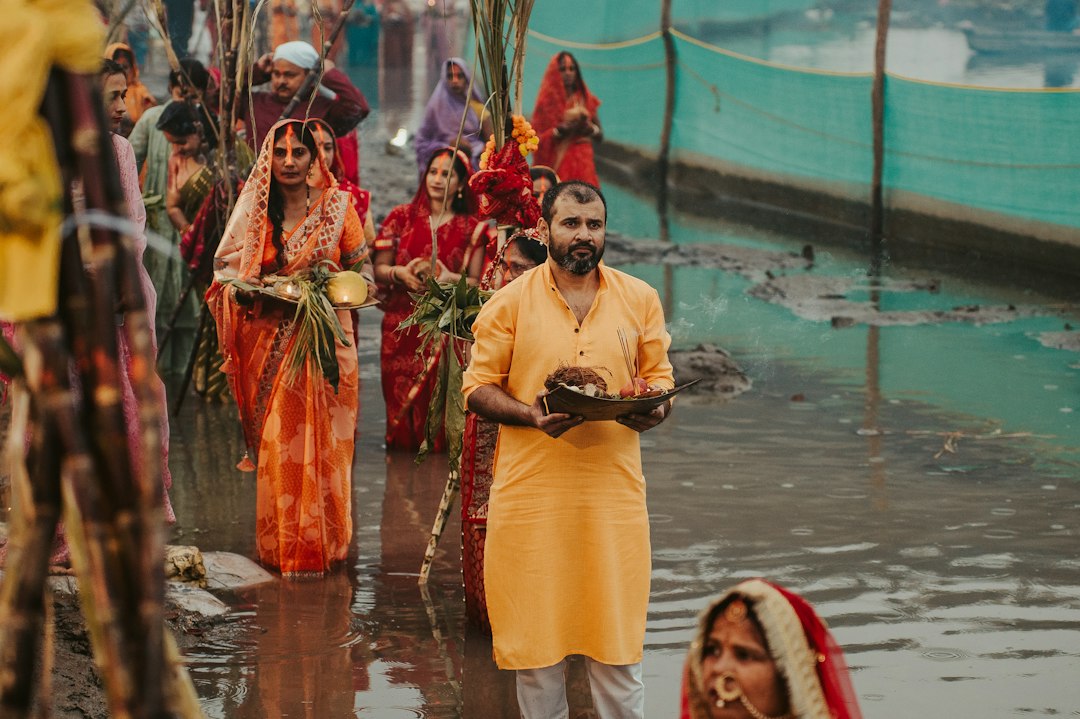
Pitru Paksha (Shradh) 2026: Tarpan Rituals and Food Donation

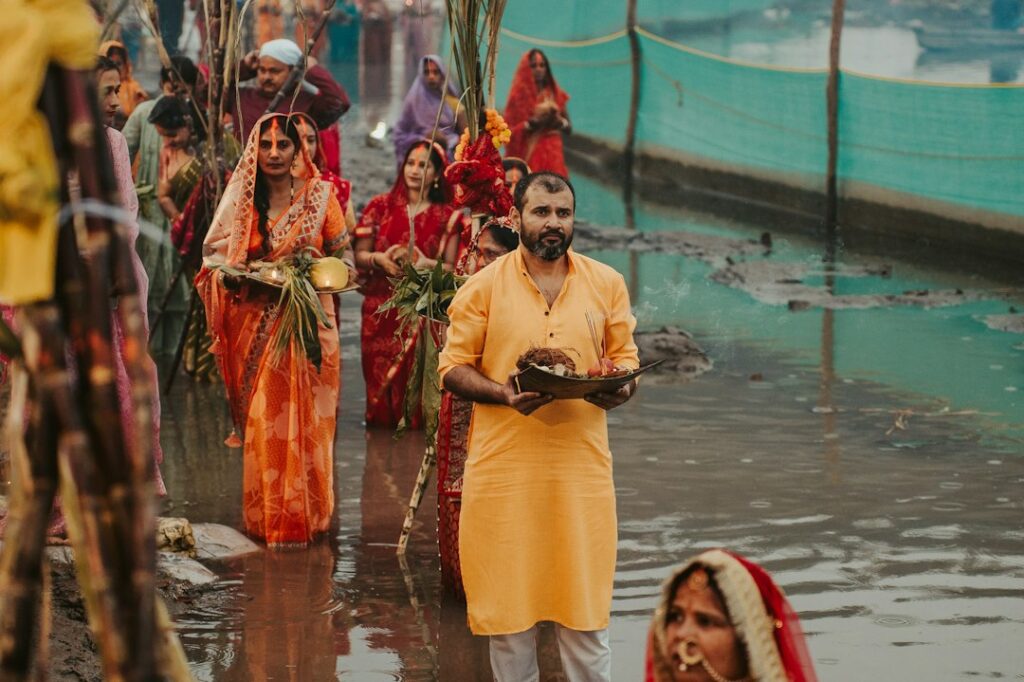
Devotees performing Tarpan ritual by the river during Pitru Paksha

Pitru Paksha (Shradh) 2026: Tarpan Rituals and Food Donation

Pitru Paksha, also called Shradh Paksha, ranks among the most spiritually significant periods in the Hindu calendar — a 16-day window that families set aside entirely for honouring their ancestors (Pitrs). In 2026, this sacred fortnight starts on Saturday, September 26 and ends with Sarva Pitru Amavasya on Saturday, October 10. Throughout these days, families perform Tarpan, Pind Daan, and Anna Daan (food donation) to express gratitude to their forefathers and seek their blessings for the wellbeing of the family.

Devotees performing Tarpan ritual by the river during Pitru Paksha
Photo by yash rai on Unsplash

Pitru Paksha 2026: Key Dates

Families traditionally perform Shradh on the specific tithi (lunar day) on which an ancestor passed away. However, when the exact tithi is unknown, they instead observe Sarva Pitru Amavasya — the final and most significant day of the fortnight.

Date (2026)DayShraddha TithiSpecial Observance
September 26SaturdayPurnima ShradhFor ancestors who passed away on Purnima.
September 27SundayPratipada ShradhFor ancestors who passed away on Pratipada.
September 28MondayDwitiya ShradhFor ancestors who passed away on Dwitiya.
September 29TuesdayTritiya ShradhFor ancestors who passed away on Tritiya. Maha Bharani is also observed.
September 30WednesdayChaturthi ShradhFor ancestors who passed away on Chaturthi.
September 30WednesdayPanchami ShradhFor ancestors who passed away on Panchami.
October 1ThursdayShashthi ShradhFor ancestors who passed away on Shashthi.
October 2FridaySaptami ShradhFor ancestors who passed away on Saptami.
October 3SaturdayAshtami ShradhFor ancestors who passed away on Ashtami.
October 4SundayNavami ShradhFor ancestors who passed away on Navami.
October 5MondayDashami ShradhFor ancestors who passed away on Dashami.
October 6TuesdayEkadashi ShradhFor ancestors who passed away on Ekadashi.
October 7WednesdayDwadashi ShradhFor ancestors who passed away on Dwadashi. Magha Shradh is also observed.
October 8ThursdayTrayodashi ShradhFor ancestors who passed away on Trayodashi.
October 9FridayChaturdashi ShradhFor ancestors who passed away on Chaturdashi.
October 10SaturdaySarva Pitru AmavasyaFinal day of Pitru Paksha; especially significant for ancestors whose exact death tithi is unknown.

Note: tithi timings can shift slightly by city, so confirm your family’s specific Shradh date with a local Panchang or priest.

What Is Tarpan? Meaning and Significance

Tarpan is the daily ritual in which devotees offer water mixed with black sesame seeds (til), barley, and kusha grass to their ancestors. According to the Mahabharata, Karna donated only gold during his lifetime and never offered food or water to his forefathers. As a result, when he died, Indra granted him 16 days back on Earth to perform Shradh and Anna Daan. This period is what we now observe as Pitru Paksha. Hindus believe that performing Tarpan repays Pitru Rin, the ancestral debt every individual carries, and in turn brings peace and prosperity to the family.

The Philosophy Behind Pitru Paksha

Hindu scripture holds that every individual carries three debts, or Rin, from birth: Deva Rin (debt to the Gods), Rishi Rin (debt to the sages and teachers), and Pitru Rin (debt to one’s ancestors). Individuals repay Deva Rin through worship and Rishi Rin through the pursuit of knowledge; however, they can only repay Pitru Rin through Shradh, Tarpan, and acts of charity performed in an ancestor’s memory. Pitru Paksha is therefore the dedicated period each year when families formally honour this debt — not out of obligation, but as an expression of gratitude for the life, values, and blessings passed down through generations.

Why Is Shradh Performed?

Scriptures regard Vasu, Rudra, and Aditya as divine representatives of the ancestors during Shradh rituals. Consequently, when a person performs Shradh for their father, grandfather, and great-grandfather, Hindus believe these three divine forms receive the offerings on behalf of all ancestors, known and unknown.

Devotees also believe that during Shradh, ancestors draw close to their descendants and accept the Tarpan and offerings made to them. Satisfied by this remembrance, the ancestors in turn bless the family with happiness, peace, and prosperity.

Notably, reverence for ancestors is not a later addition to Hindu tradition; rather, it traces back to the Rigveda itself, in the 15th Sukta of the 10th Mandala, which honours the ancestors of the past, present, and future alike as worthy of respect across every generation.

Types of Shraddha

Shradh rituals are not one-size-fits-all; instead, they vary by occasion, purpose, and timing. Some of the main types that Hindu tradition observes include:

  • Nitya Shradh: Families offer this simple daily water offering (Tarpan) to ancestors, often during morning prayers.
  • Naimittik Shradh: Families conduct this on specific occasions, such as an ancestor’s death tithi during Pitru Paksha or at pilgrimage sites.
  • Kamya Shradh: Devotees perform this with a specific wish in mind — for progeny, health, or prosperity.
  • Vriddhi Shradh: Families conduct this during auspicious events like childbirth or marriage to honour ancestors and seek their blessings.
  • Sapindikaran Shradh: Families perform this one-time ritual within a year of death to unite the departed soul with the ancestral spirits.
  • Parvana Shradh: This is the most common form; families perform it during Pitru Paksha on the ancestor’s death tithi, involving elaborate rituals and offerings.
  • Gosht Shradh: Families perform this for a group of ancestors together, typically on Sarva Pitru Amavasya.
  • Shuddhi Shradh: Families perform this for purification, or to correct errors made in a previous Shradh.
  • Karma Shradh: This links to specific Vedic rituals or yagnas, offering to ancestors alongside deities.
  • Yatra Shradh: Devotees perform this during pilgrimages to holy sites like Gaya for enhanced spiritual merit.
  • Ekoddishta Shradh: Families dedicate this to a single ancestor, typically within the first year after their passing.
  • Adya Shradh: This is the very first Shradh a family performs after a person’s death, usually on the 11th or 13th day.

Ultimately, each type serves a distinct purpose, ensuring families honour ancestors in the manner appropriate to the occasion and their spiritual needs.

Tarpan Vidhi: A Simple Step-by-Step Guide

  1. Purify yourself: First, bathe and wear clean clothes before beginning, ideally at sunrise.
  2. Face south: Next, sit facing the south direction, traditionally associated with the ancestors.
  3. Prepare the offering: Then, mix water with black til (sesame seeds) in a copper vessel.
  4. Offer the water: Pour the mixture using both hands, letting it flow through your fingers while chanting the names and gotra of your ancestors.
  5. Complete with Anna Daan: Finally, conclude the ritual by donating food — to Brahmins, the needy, or animals — in the name of your ancestors.

The Importance of Anna Daan (Food Donation) During Pitru Paksha

Among all the acts of Shradh, Hindus consider Anna Daan — the donation of food — one of the most powerful ways to honour one’s ancestors. Scriptures describe food given with devotion during this period as reaching the Pitrs directly, nourishing their souls and securing their blessings for the family’s prosperity. Additionally, many households observe Kagwal, the practice of feeding crows, cows, and dogs, since Hindus believe these creatures carry offerings to the ancestral realm.

At Guruweshvar Shani Foundation, our Annadan food donation drives run throughout the year, and Pitru Paksha is one of the most meaningful times to contribute — after all, every meal you sponsor in your ancestors’ name becomes an act of Shradh in itself.

Other Acts of Seva During Pitru Paksha

  • Vastra Daan: Donate clothes to the poor in memory of departed family members.
  • Gau Seva: Feed and care for cows, which Hindus consider sacred carriers of blessings to the Pitrs. Support our ongoing Gau Seva initiative this Pitru Paksha.
  • Supporting elders: Caring for elderly and abandoned individuals also counts as an extension of honouring one’s own ancestors — explore our elder and disability support seva.
  • Avoiding new beginnings: Families traditionally postpone weddings, griha pravesh, and other auspicious ceremonies until after Pitru Paksha ends.

Why Donate Through Guruweshvar Shani Foundation This Pitru Paksha?

Seva OptionHow It Honours Your Ancestors
Annadan (Food Donation)Sponsor meals for the needy in your ancestors’ name during the 16-day period.
Gau SevaFeed and care for cows, traditionally linked to Pitru blessings.
Temple Construction SevaContribute to sacred spaces that carry forward your family’s spiritual legacy.

Contributions support the Foundation’s charitable and seva activities, and an official digital donation receipt is provided for your records. Visit our donation page to give in your ancestors’ honour this Pitru Paksha.

Frequently Asked Questions

1. What is the correct time of day to perform Tarpan?

Devotees generally perform Tarpan during the Aparahna Kaal, roughly between 1:00 PM and 3:30 PM, though many families also do a simpler version at sunrise.

2. What if I don’t know my ancestor’s exact date of death (tithi)?

In that case, you can perform Shradh for all ancestors on Sarva Pitru Amavasya, the final day of Pitru Paksha — October 10, 2026 — regardless of the specific tithi.

3. Can food donation replace formal Shradh rituals?

Hindus consider Anna Daan a core part of Shradh itself, not a replacement. Still, for those who cannot perform elaborate rituals, sincere food donation in an ancestor’s name counts as a deeply meaningful act of remembrance.

4. Are new ventures or celebrations allowed during Pitru Paksha?

Generally, families avoid auspicious events like weddings, griha pravesh, and purchasing new items during this period, though routine daily worship can continue as usual.

Pitru Paksha (Shradh) 2026: Tarpan Rituals and Food Donation Read More »