Diwali 2026: Date, Lakshmi-Ganesh Puja Muhurat, and Its Significance
Diwali, also known as Deepavali, is one of the most beloved Hindu festivals. Every year, families celebrate this auspicious occasion with devotion, happiness, and beautiful rows of glowing diyas. More importantly, Diwali symbolizes the victory of light over darkness, knowledge over ignorance, and good over evil.
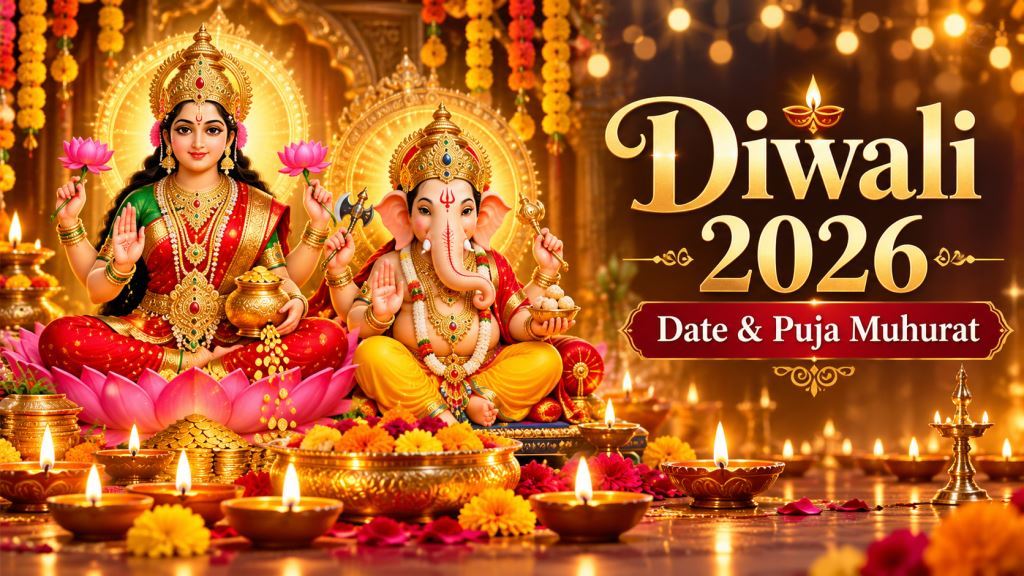
In 2026, Diwali falls on Sunday, 8 November, according to the widely followed North Indian calendar. On this special day, devotees worship Goddess Lakshmi and Lord Ganesha to seek prosperity, wisdom, peace, and happiness. Additionally, families clean their homes, decorate their entrances, prepare delicious sweets, and exchange gifts with loved ones.
In this article, you will discover the Diwali 2026 date, Lakshmi-Ganesh Puja Muhurat, Amavasya Tithi, traditional puja vidhi, spiritual significance, and ways to celebrate this sacred festival.
Diwali 2026: Date and Important Details
Diwali 2026 falls on Sunday, 8 November. Traditionally, Hindus celebrate this festival on Kartik Amavasya, the new moon day of the Hindu lunar month of Kartik.
Here are the important details of Diwali 2026:
- Festival: Diwali (Deepavali)
- Date: Sunday, 8 November 2026
- Tithi: Kartik Amavasya
- Main Puja: Lakshmi-Ganesh Puja
- Auspicious period: Evening Pradosh Kaal
- Main significance: Victory of light over darkness and the triumph of good over evil
During Diwali, families welcome prosperity and happiness through prayers and traditional rituals. Meanwhile, children enjoy festive treats, relatives exchange greetings, and communities illuminate streets and homes with decorative lights.
Lakshmi-Ganesh Puja Muhurat 2026
The Lakshmi-Ganesh Puja Muhurat plays an important role in Diwali celebrations. Traditionally, devotees perform Lakshmi Puja during Pradosh Kaal, the period around sunset. Many families consider this time auspicious for worshipping Goddess Lakshmi.
For New Delhi, the published Lakshmi Puja Muhurat is approximately 5:54 PM to 7:50 PM on Sunday, 8 November 2026. However, the exact timing varies by location. Therefore, devotees should check their local Panchang before beginning the puja.
Amavasya Tithi 2026
According to the New Delhi Panchang, the Amavasya Tithi timings are approximately:
- Amavasya begins: 11:27 AM on 8 November 2026
- Amavasya ends: 12:31 PM on 9 November 2026
Please note that different Panchang sources may show slight variations. For this reason, always confirm the final timings with a reliable local Panchang or your family priest.
Lakshmi Puja Muhurat in Different Cities
The following timings are indicative published timings for Diwali 2026.
| City | Lakshmi Puja Muhurat |
|---|---|
| New Delhi | 5:54 PM – 7:50 PM |
| Bhopal | Approximately 6:02 PM – 8:01 PM |
| Indore | Approximately 6:10 PM – 8:08 PM |
| Ujjain | Approximately 6:09 PM – 8:07 PM |
| Mumbai | Approximately 6:27 PM – 8:27 PM |
| Pune | Approximately 6:24 PM – 8:24 PM |
| Jaipur | Approximately 6:03 PM – 7:59 PM |
Important: These timings require confirmation against a reliable city-specific Panchang before publication, as calculations may vary between sources.
Why Do Hindus Worship Lakshmi and Ganesha on Diwali?
Diwali holds a special place in Hindu tradition because devotees worship Goddess Lakshmi, the goddess of wealth and prosperity, alongside Lord Ganesha, the deity of wisdom and auspicious beginnings.
Goddess Lakshmi represents abundance, fortune, and well-being. Therefore, devotees pray to her for prosperity, happiness, and peace in their homes.
Lord Ganesha, on the other hand, represents intelligence, wisdom, and the removal of obstacles. Consequently, many Hindu families worship him before beginning important religious ceremonies.
Together, these deities remind devotees that true prosperity requires both material well-being and wise decisions. Moreover, sincere prayer, gratitude, honesty, and generosity help people lead more meaningful lives.
Spiritual Significance of Diwali
1. Victory of Good over Evil
Diwali celebrates the triumph of righteousness over evil. According to a widely followed North Indian tradition, people welcomed Lord Rama back to Ayodhya after his fourteen-year exile and victory over Ravana by lighting rows of lamps.
As a result, diyas became enduring symbols of hope, goodness, and celebration. Furthermore, this tradition reminds devotees to follow the path of truth and righteousness in their daily lives.
2. Worship of Goddess Lakshmi
Goddess Lakshmi symbolizes prosperity, abundance, fortune, and well-being. On Diwali, devotees clean their homes, decorate entrances with rangoli, light diyas, and perform Lakshmi Puja with devotion.
However, the deeper message of the festival extends beyond material wealth. True prosperity also includes peace, good health, loving relationships, and compassion for others.
3. Worship of Lord Ganesha
Lord Ganesha symbolizes wisdom, intelligence, and the removal of obstacles. By worshipping Ganesha alongside Goddess Lakshmi, devotees express their hope for prosperity guided by wisdom and humility.
Additionally, this tradition encourages people to make thoughtful decisions and approach new beginnings with positive intentions.
4. Victory of Inner Light
The lamps of Diwali carry a powerful spiritual message. Just as a diya illuminates a dark room, spiritual knowledge helps people overcome ignorance, fear, negativity, and confusion.
Therefore, Diwali offers an opportunity to reflect on personal growth, strengthen family relationships, forgive past mistakes, and begin again with positive intentions.
5. Charity, Compassion, and Service
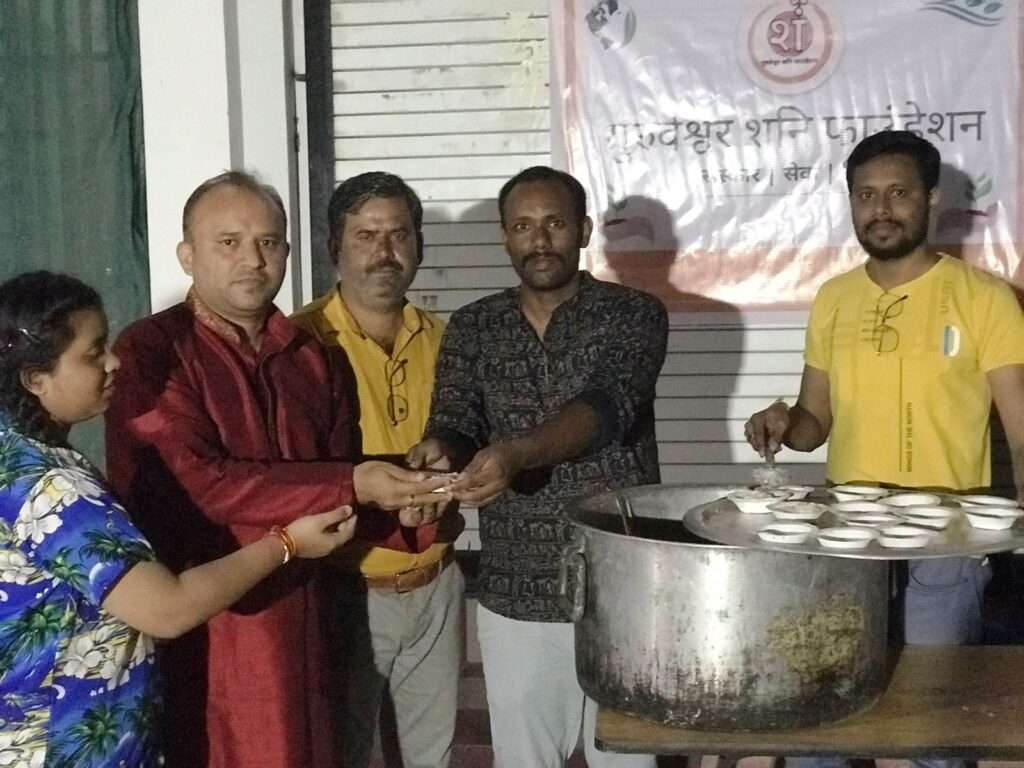
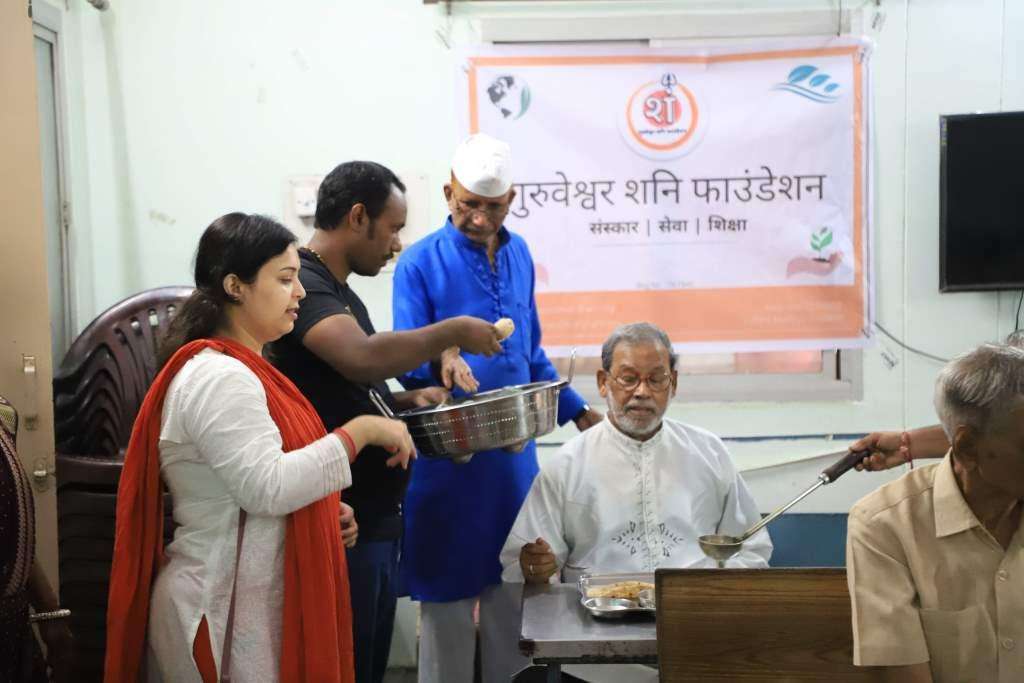
Diwali also provides an excellent opportunity to help people in need. For example, devotees can feed hungry people, distribute essential supplies, support charitable activities, and assist underprivileged families.
In this way, people extend the happiness of Diwali beyond their homes. Ultimately, kindness and generosity make the festival more meaningful for everyone.
Diwali 2026 Puja Vidhi: Step-by-Step Guide
Devotees can follow these traditional steps to perform Lakshmi-Ganesh Puja at home. Although customs differ between families and regions, this simple guide can help you prepare.
Step 1: Clean and Decorate Your Home
First, clean your home and prepare a peaceful puja area. Then, decorate the entrance with rangoli, flowers, torans, and traditional diyas.
Additionally, keep the puja space tidy so that you can perform the rituals comfortably.
Step 2: Prepare the Puja Samagri
Before the auspicious time begins, collect all the necessary puja items. This preparation helps you perform the rituals without interruption.
Common puja items include:
- Idols or pictures of Goddess Lakshmi and Lord Ganesha
- A clean red or yellow cloth
- Flowers and garlands
- Kumkum, roli, turmeric, and akshat
- Diya, cotton wicks, and ghee or oil
- Incense sticks and camphor
- Fruits, sweets, and other offerings
- Kalash, water, and betel leaves, according to your tradition
Step 3: Establish the Deities
Next, spread a clean cloth on the altar and place the idols or pictures respectfully. Arrange the offerings neatly and prepare the diya for the puja.
Step 4: Worship Lord Ganesha
Begin with Lord Ganesha’s worship according to your family tradition. Offer flowers and sweets while praying for wisdom, success, and the removal of obstacles.
You may chant:
Om Gan Ganapataye Namah.
Step 5: Perform Goddess Lakshmi Puja
After Ganesha Puja, offer flowers, kumkum, akshat, sweets, and prayers to Goddess Lakshmi. Many families also worship their account books and business records during this auspicious occasion.
You may chant:
Om Shreem Mahalakshmyai Namah.
Step 6: Offer Bhog and Perform Aarti
Next, offer fruits, sweets, and other customary bhog to the deities. Then, perform Lakshmi-Ganesh Aarti with devotion.
During the prayer, ask for peace, prosperity, wisdom, and the well-being of all family members.
Step 7: Light Diyas and Share Happiness
Finally, light traditional diyas around your home while following fire-safety precautions. Exchange greetings with family members and neighbours, share sweets, and help people in need.
By following these steps with devotion, you can make your Diwali celebration more meaningful.
Traditional Diwali Celebrations and Rituals
Diwali celebrations extend across several days, although customs differ by region. Each occasion carries its own cultural and spiritual significance.
- Dhanteras: Many families worship Dhanvantari and associate the day with health, prosperity, and traditional purchases.
- Naraka Chaturdashi: Also known as Choti Diwali in many regions, this day celebrates traditions associated with the defeat of Narakasura.
- Lakshmi-Ganesh Puja: Devotees perform the principal Diwali worship according to their local Panchang.
- Govardhan Puja: Many devotees worship Govardhan and remember the traditions associated with Lord Krishna.
- Bhai Dooj: This festival celebrates the loving bond between brothers and sisters.
Meanwhile, families prepare festive meals, exchange gifts, visit relatives, and decorate their homes. Because regional calendars differ, check your local Panchang for the dates of each observance.
How to Celebrate an Eco-Friendly Diwali
Although fireworks and decorations often form part of Diwali celebrations, families can also make the festival more environmentally responsible.
- First, choose traditional earthen diyas and place them safely.
- Additionally, avoid excessive firecrackers to reduce smoke and noise.
- Moreover, use reusable decorations and reduce plastic waste.
- Instead, share homemade sweets and meals with neighbours and people in need.
- Similarly, donate essential supplies to families who need support.
- Finally, keep your home, streets, and temple surroundings clean.
By following these simple practices, you can honour tradition while caring for the environment, animals, and your community.
The true beauty of Diwali lies not only in the lamps we light but also in the kindness and understanding we share.
Diwali 2026: Wishes and Blessings
Diwali is a time to celebrate happiness, strengthen relationships, and welcome new beginnings. Therefore, let us make this festival meaningful through devotion, gratitude, and compassion.
May Goddess Lakshmi bless your family with prosperity and abundance. May Lord Ganesha remove obstacles from your path and guide you towards wisdom and success.
Furthermore, may the light of every diya inspire hope, strengthen relationships, and encourage compassion for all living beings.
Wishing you and your family a very Happy Diwali 2026!
Frequently Asked Questions About Diwali 2026
1. When is Diwali in 2026?
Diwali falls on Sunday, 8 November 2026, according to the widely followed North Indian calendar.
2. What is the Lakshmi-Ganesh Puja Muhurat for Diwali 2026?
For New Delhi, the published Muhurat is approximately 5:54 PM to 7:50 PM on 8 November 2026. However, the timing varies by city, so check your local Panchang before performing the puja.
3. When does Amavasya Tithi begin in 2026?
According to the New Delhi Panchang, Amavasya begins at approximately 11:27 AM on 8 November and ends at approximately 12:31 PM on 9 November 2026.
4. Why do people worship Goddess Lakshmi on Diwali?
Devotees worship Goddess Lakshmi because she represents wealth, prosperity, abundance, and well-being. Through prayer, they seek happiness and peace for their families.
5. Why is Lord Ganesha worshipped with Goddess Lakshmi?
Lord Ganesha represents wisdom and the removal of obstacles, whereas Goddess Lakshmi represents prosperity. Together, they symbolize the importance of combining wealth with wisdom and responsible conduct.
6. What is the significance of lighting diyas on Diwali?
Lighting diyas symbolizes the victory of light over darkness and knowledge over ignorance. Furthermore, the lamps represent hope, positivity, and spiritual awakening.
7. What should I offer during Diwali Puja?
Common offerings include flowers, sweets, fruits, kumkum, akshat, and a diya. However, the exact offerings depend on your family traditions and the prescribed puja method.
8. How can I celebrate Diwali spiritually?
You can perform Lakshmi-Ganesh Puja, chant prayers, practise gratitude, and help people in need. Additionally, feeding the hungry and treating others with kindness can make your celebration more meaningful.
Conclusion
Diwali 2026, celebrated on Sunday, 8 November, offers an opportunity to welcome positivity, strengthen family relationships, and renew spiritual commitments. By performing Lakshmi-Ganesh Puja at an appropriate local Muhurat, devotees can honour tradition and pray for prosperity, wisdom, and peace.
Moreover, the festival reminds us that true happiness grows when we share what we have with others. Therefore, let us celebrate Diwali with devotion, kindness, and respect for all living beings.
May the blessings of Goddess Lakshmi and Lord Ganesha bring peace, prosperity, wisdom, and happiness to every home.
Happy Diwali 2026!
Read Also – Vinayaka Chavithi 2026 Pooja Timings: Date, Muhurat, Donation and Visarjan