Hanuman Jayanti 2026 (2 April): Significance, Rituals, and the Power of Donation
Introduction
Hanuman Jayanti will be celebrated on 2 April 2026 with great devotion across India and among Hindu communities worldwide. This auspicious day marks the birth of Lord Hanuman, the embodiment of strength, devotion, wisdom, and selfless service.
Lord Hanuman is widely worshipped as a symbol of courage and unwavering faith. Therefore, this sacred occasion is not only about rituals but also about embracing values that guide individuals toward righteousness. Moreover, the festival inspires people to practice charity and compassion, which are considered essential aspects of spiritual growth.
Spiritual Significance
Birth of Divine Energy
According to ancient scriptures, Lord Hanuman was born to Mata Anjana and Kesari, with the blessings of Vayu Dev. As a result, he is known as Pavan Putra. His birth represents divine energy, strength, and protection from evil forces.
Furthermore, Hanuman Ji is believed to remove fear and negativity from the lives of devotees. His blessings are often sought for courage, mental peace, and success in difficult situations.
Ideal Devotee of Lord Rama
Hanuman Ji is regarded as the greatest devotee of Lord Rama. His life reflects absolute surrender and dedication. Therefore, Hanuman Jayanti serves as a reminder of the power of devotion and loyalty.
Additionally, his actions during the Ramayana demonstrate how selfless service can lead to spiritual liberation. Thus, devotees are encouraged to follow his path of humility and dedication.
Rituals and Observances
Temple Visits and पूजा
On this sacred day, devotees wake up early and visit temples dedicated to Hanuman Ji. Idols are decorated with sindoor, flowers, and sacred offerings. Special prayers and aartis are performed throughout the day.
In many places, long queues are seen at temples, as thousands of devotees gather to seek blessings. Prasad is distributed, and community participation is encouraged.
Recitation of Sacred Texts
The recitation of Hanuman Chalisa, Sundarkand, and Ramayana is widely practiced. In fact, continuous chanting sessions are organized in temples and homes.
Moreover, these recitations are believed to purify the mind and bring positive energy. As a result, devotees experience spiritual upliftment.
Fasting and Discipline
Fasting is observed by many devotees on Hanuman Jayanti. Fruits, milk, and satvik food are consumed during the day. This practice is followed to cleanse both body and mind.
Additionally, discipline and self-control are emphasized, as they are key teachings associated with Lord Hanuman.
Importance of Donation (Daan)
Spiritual Power of Charity
Donation holds immense importance on Hanuman Jayanti. It is believed that acts of charity performed on this day bring multiplied blessings. Therefore, helping the needy is considered one of the most powerful ways to honor Lord Hanuman.
Moreover, daan is not just a ritual but a responsibility toward society. It reflects compassion, generosity, and gratitude.
Types of Donations
Various forms of donations are encouraged on this auspicious day:
- Annadaan (food donation) to the गरीब और जरूरतमंद
- Distribution of clothes to the underprivileged
- Financial contributions to temples and charitable organizations
- Donations to cow shelters (gaushalas)
In addition, items like mustard oil, black gram, and jaggery are traditionally donated, as they are considered sacred offerings associated with Hanuman Ji.
Social and Moral Impact
In today’s world, inequality continues to rise. However, festivals like Hanuman Jayanti provide an opportunity to restore balance through kindness.
Furthermore, donation strengthens social bonds and creates a sense of unity. When individuals contribute collectively, communities are uplifted. Thus, daan becomes a powerful tool for positive change.
Role of Society and Organizations
Individual Responsibility
Every individual has the ability to make a difference. Even small acts of kindness, such as feeding a hungry person, can have a lasting impact.
Moreover, volunteering and participating in charitable activities enhance the spirit of the festival. Therefore, people are encouraged to take initiative and help others.
Contribution of Organizations
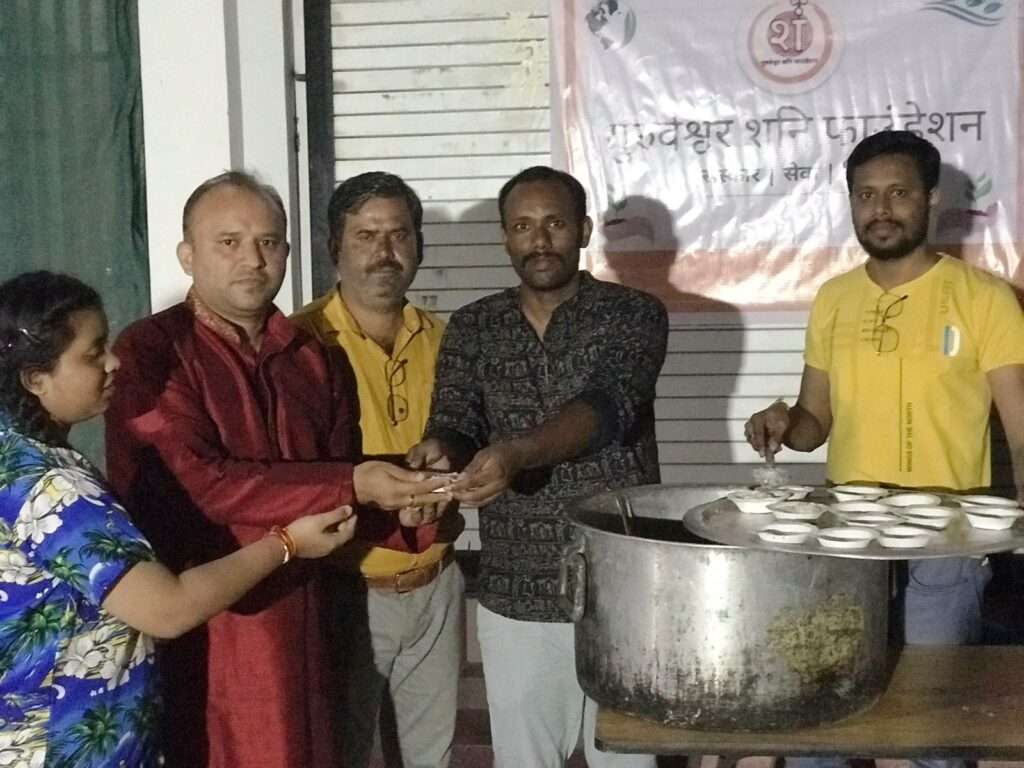
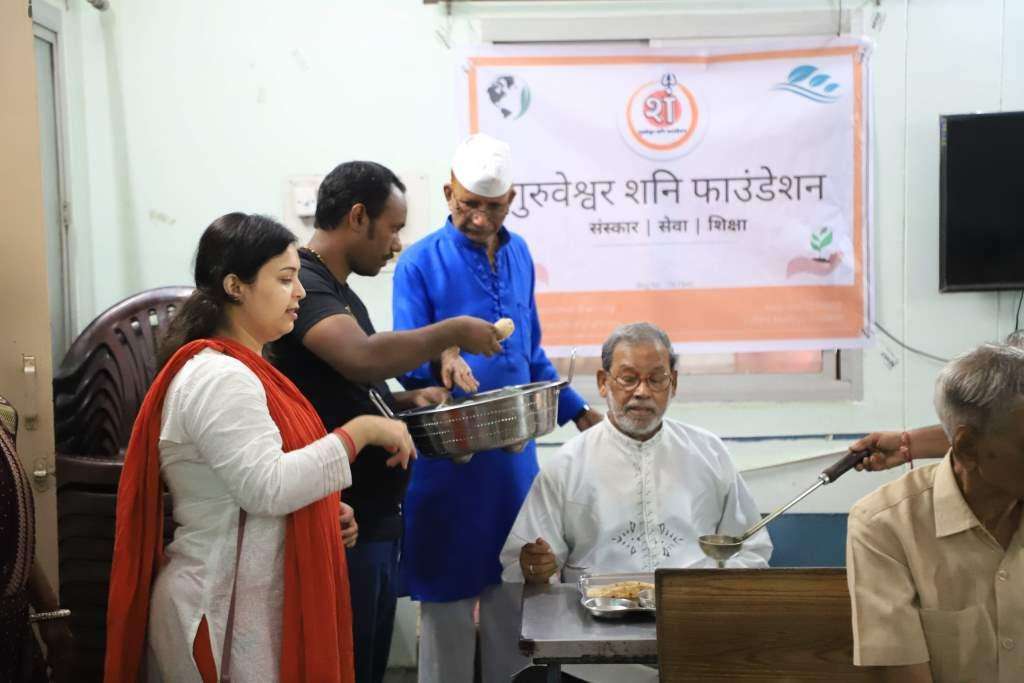
Organizations and trusts play a crucial role in amplifying the impact of Hanuman Jayanti. Events such as food distribution drives, medical camps, and donation campaigns are organized.
For instance, initiatives by Guruweshvar Shani Foundation can help reach a larger number of people in need. As a result, the essence of seva is spread more effectively.
Astrological and Spiritual Benefits
Hanuman Ji is closely associated with protection and strength. Therefore, worship on this day is believed to reduce the negative effects of Shani (Saturn).
Additionally, chanting Hanuman mantras is known to improve mental clarity and confidence. Devotees often report feeling a sense of peace and stability after sincere prayers.
Moreover, spiritual practices performed on this day are considered highly beneficial for overcoming obstacles and achieving success.
Modern-Day Relevance
In the modern era, life has become increasingly stressful. However, the teachings of Hanuman Ji remain timeless and relevant.
- Discipline helps individuals stay focused
- Devotion brings emotional balance
- Service fosters social harmony
Furthermore, the practice of donation encourages people to look beyond personal gain and contribute to the greater good. Thus, Hanuman Jayanti becomes a celebration of both spirituality and humanity.
Conclusion
Hanuman Jayanti 2026, observed on 2 April, is more than just a religious festival. It is a powerful reminder of strength, devotion, and selfless service.
While rituals and prayers are important, the true essence of this day lies in acts of kindness and generosity. Therefore, donation should be embraced as a meaningful way to honor Lord Hanuman.
As we celebrate this sacred occasion, let us commit to helping others and spreading positivity. When compassion is practiced, blessings are naturally received, and society moves toward harmony and peace.