When Is Diwali 2025? Key Dates and Schedule
Diwali, also called Deepavali, is one of the grandest festivals in India. In 2025, the main Diwali (Lakshmi Puja) falls on Monday, 20 October. According to the lunar calendar, the Amavasya (new moon) tithi begins on 20 October at about 3:44 PM and continues into 21 October. The auspicious Lakshmi Puja muhurat is between approximately 7:08 PM and 8:18 PM on October 20.
Because the Amavasya overlaps two days, some confusion arises about whether Diwali should be on 20 or 21 October. Nevertheless, most traditions and authorities (such as Kashi Vidwat Parishad) confirm that 20 October 2025 is the correct day to celebrate Lakshmi Puja.
Typically, Diwali is celebrated over five days (sometimes six in certain regions). The 2025 schedule is roughly as follows:
| Day | Festival | Date | Key Rituals / Significance |
|---|---|---|---|
| Day 1 | Dhanteras (Dhantrayodashi) | 18 October (Saturday) | Worship of Lord Dhanvantari, buying new utensils, gold, silver; cleaning homes |
| Day 2 | Narak Chaturdashi (Chhoti Diwali) | 19 October (Sunday) | Early morning oil bath (Abhyanga), lighting small lamps, worship of Yama, defeating darkness |
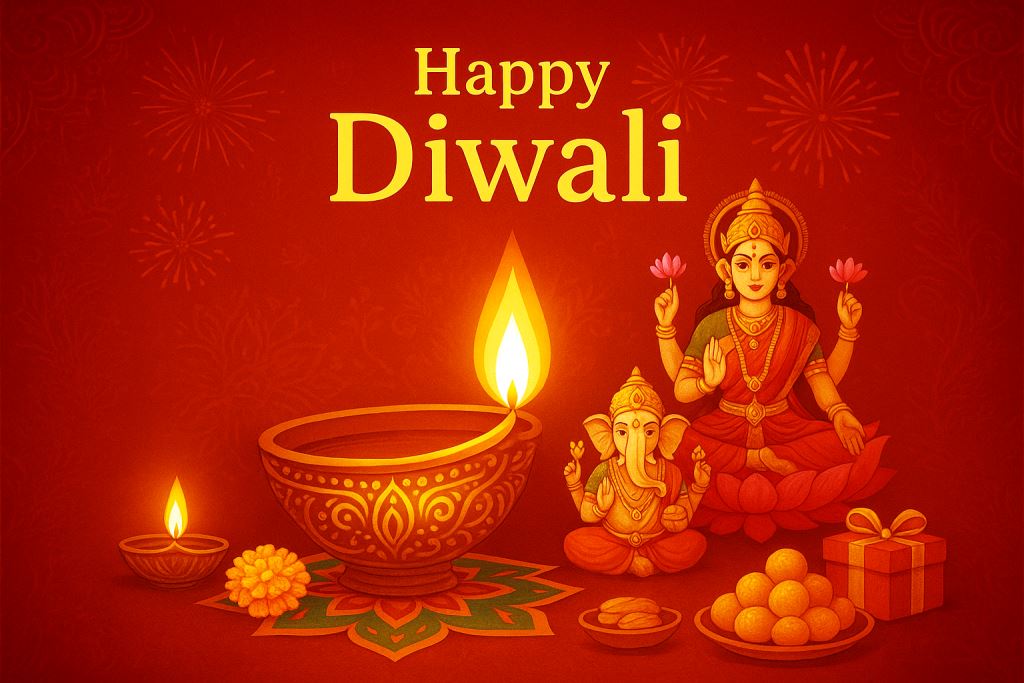
| Day 3 | Lakshmi Puja / Diwali (main day) | 20 October (Monday) | Worship Goddess Lakshmi, Ganesha, illuminate homes, exchange gifts |
| Day 4 | Govardhan Puja / Annakut | 21 October (Tuesday) | Offering large food “mountain”, worship of Krishna and Govardhan Hill |
| Day 5 | Bhai Dooj / Yama Dwitiya | 22 October (Wednesday) | Sisters pray for brothers, apply tilak, exchange sweets/gifts |
Some areas might add Day 6 or local variants (for instance, Bali Pratipada or other regional observances).
Thus, one should plan the preparations well ahead and align rituals with the above timings.
Region-Wise Diwali Celebrations in India
Although the core idea—light overcoming darkness—remains common, Diwali is celebrated differently across India. Below is a region-wise snapshot, with transitions to show variety and connection.
- North India (Uttar Pradesh, Bihar, Delhi, Punjab, Haryana, Rajasthan, Uttarakhand):
In North India, Diwali is associating especially with Lord Rama’s return to Ayodhya after exile. Therefore, on the night of Diwali, homes, streets, and temples are decorated with rows of diyas (oil lamps). Firecrackers are burst energetically, and Prasad and sweets are shared. On Diwali night, Lakshmi–Ganesha puja is central. On the following days, Bhai Dooj and Govardhan Puja are observed with full gaiety. - West India (Gujarat, Maharashtra, Goa):
In Gujarat, Diwali also marks the start of the new financial year. Thus, business ledgers are cleaned and worshipped (Chopda Puja). People wear new clothes, burst crackers, and observe Lakshmi Puja. In Maharashtra, Diwali is often followed by Balipratipada (also called Bali Padwa), celebrating the return of King Bali. (Wikipedia) Goa blends local Konkani traditions, lighting up homes, sharing sweets, and community events. - South India (Tamil Nadu, Karnataka, Andhra Pradesh, Kerala):
In many parts of South India, Diwali is linked to Krishna’s victory over the demon Narakasura. Hence, Naraka Chaturdashi is a major day: people wake early, take oil baths, and burst crackers in the early morning. In Tamil Nadu, for instance, Deepavali is often the next day after Naraka Chaturdashi. - East India (West Bengal, Odisha, Assam):
In West Bengal and Odisha, Diwali often coincides with Kali Puja (worship of Goddess Kali). Whereas in the rest of India Lakshmi Puja is central, here devotees invoke Kali, and sometimes do both. Streets are illuminate, and families perform pujas late into the night. - Central India (Madhya Pradesh, Chhattisgarh, Jharkhand):
Celebrations are similar to North India: homes decorated, pujas held on Diwali night, fireworks, and community gatherings. In tribal and rural areas, local customs may incorporate offerings to nature, livestock, and ancestors.
Thus, Diwali in India is both united and diversified—while the spirit remains the same, the color, sequence, and emphasis vary.
What Preparations to Do for Diwali: A Step-by-Step Guide
To ensure that Diwali is joyful, orderly, and meaningful, careful preparation is essential. Below is a step-by-step guide, with transitions to lead you from one step to the next.
- Begin early with planning and budgeting
First, decide your budget for shopping, gifts, decorations, sweets, and donations. Then draw up a to-do list with timelines, e.g. cleaning, repairs, buying items, arranging puja materials, etc. - Deep cleaning and repairs
Next, start cleaning your home room by room. Declutter, sweep, mop, and repaint or repair walls/doors if needed. Also inspect wiring, bulbs, and lamps to ensure safety. - Decorations & lighting
Subsequently, purchase or prepare decorative items like rangoli powders, fairy lights, paper lanterns, torans (door hangings), and festive banners. LED lights are more energy efficient and safer. - Shopping for new items
Gradually, buy new utensils, clothes, jewelry, or electronics (especially on Dhanteras). It is considered auspicious to bring in new items before Diwali. - Puja arrangements & materials
After that, collect all necessary puja materials: idols or pictures of Lakshmi, Ganesha, offerings (flowers, incense, rice, sweets, fruits, diya oil), kalash (pots), coins, kumkum, etc. Also prepare a clean altar or space for the puja.
Start of Diwali Festivities
- Gifts, sweets, and hampers
Soon afterward, order or make sweets, snacks, mithai, gift boxes, and hampers. Prepare them ahead so they don’t interfere with the rituals. - Clothing & personal grooming
Next, ready new clothes or traditional dress, clean or press them. Also, plan haircuts, hairstyles, and personal care in advance so you are relax on the day. - Donations and charity (daan)
Meanwhile, set aside a portion (money, clothes, food materials) for donation to the poor. Decide which local NGOs, orphanages, old age homes, or individuals will receive them (we will discuss ideas in the next section). - Final checks and rehearsal
As Diwali approaches, do a final run: test lights, check the puja space, keep all items in order, and ensure you know the sequence of rituals and timings. Confirm which puja times (muhurat) apply in your location. - On the day – timely execution
On Dhanteras and Diwali days, follow the sequence calmly: take sacred baths, wear new clothes, perform rituals, light diyas, offer prayers, distribute sweets, meet relatives, and donate on time.
By following this sequential guide, one is less likely to be rushed or forgetful on the festival days.
Dhanteras: The Start of Diwali Festivities
Dhanteras, also known as Dhantrayodashi, marks the auspicious beginning of Diwali celebrations. It falls on the thirteenth lunar day (Trayodashi) of Krishna Paksha in the month of Kartik. In 2025, Dhanteras is on 18 October (Saturday) — about two days before the main Diwali day.
On Dhanteras, people worship Lord Dhanvantari (the god of health) and Goddess Lakshmi for wealth and well-being. Moreover, buying new metal items—especially gold, silver, utensils, kitchenware—is considered auspicious. This tradition is rooted in the belief that such purchases welcome prosperity. Also, people light small diyas in the evening to honor late evening “deepdan” (lamp offering). Homes are cleaned and decorated before this day so that on Dhanteras the place is ready to receive divine blessings.
Because Dhanteras initiates the flow of blessings and sets the tone, it is especially significant. Therefore, preparations must begin ahead (as provided in the guide above). Also, many plan their major purchases to coincide with Dhanteras to derive auspicious benefit.
What to Donate to the Poor (and How to Do It Wisely)
Diwali is not only about personal light and prosperity but also about spreading joy and lifting others. Donations and charity (daan) are integral to its true spirit. Below are suggestions and best practices for donation:
- Money (Cash or Bank Transfer):
A direct and versatile way is to donate money to credible NGOs or local trust organizations. Many accept online transfers or digital payments. This ensures the recipients can procure what they actually need (food, medicine, clothing). - Food & Essentials:
Non-perishable food items (rice, lentils, pulses, cooking oil, sugar, salt, flour) are highly useful. Also, soaps, shampoo, toothpaste, sanitary items, blankets or warm clothing (if winter is coming) make meaningful donations. - Clothes & Footwear:
Gently used or unused clothes, shoes, socks, shawls, etc., are welcome. But ensure that items are clean, intact, and wearable. Better yet is to purchase a few new garments specifically for donation. - Sweets & Hampers:
You can include small packets or boxes of sweets, dry fruits, crackers (if allowed), or festive hampers. But do so thoughtfully so as not to burden the recipient family.
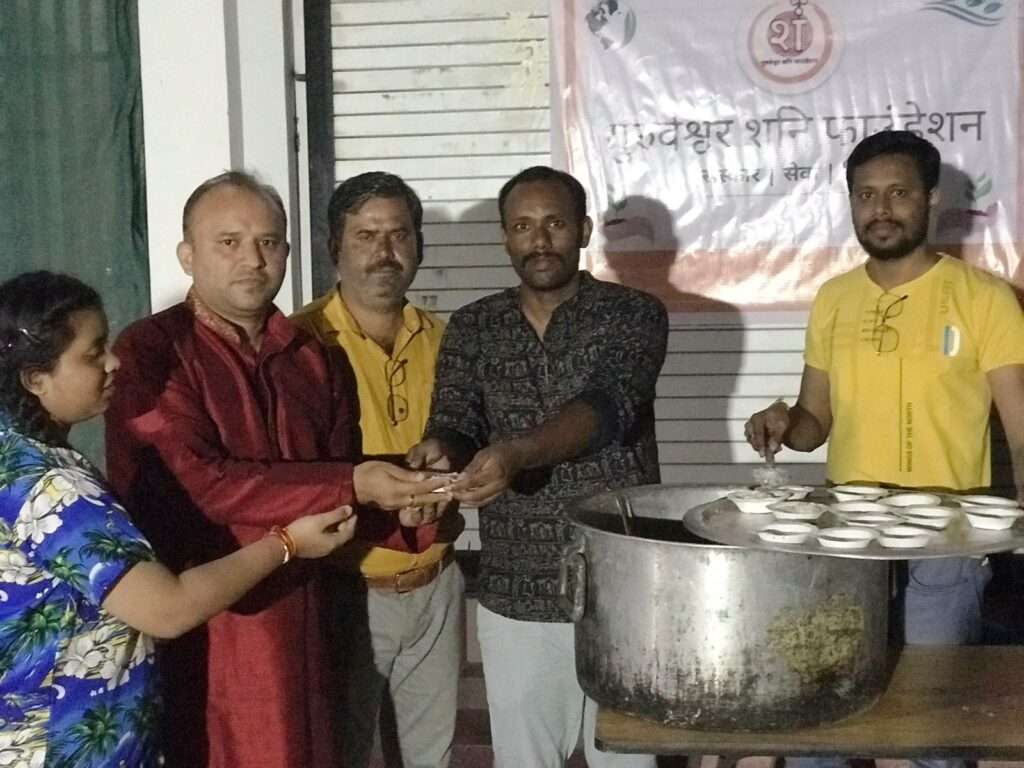
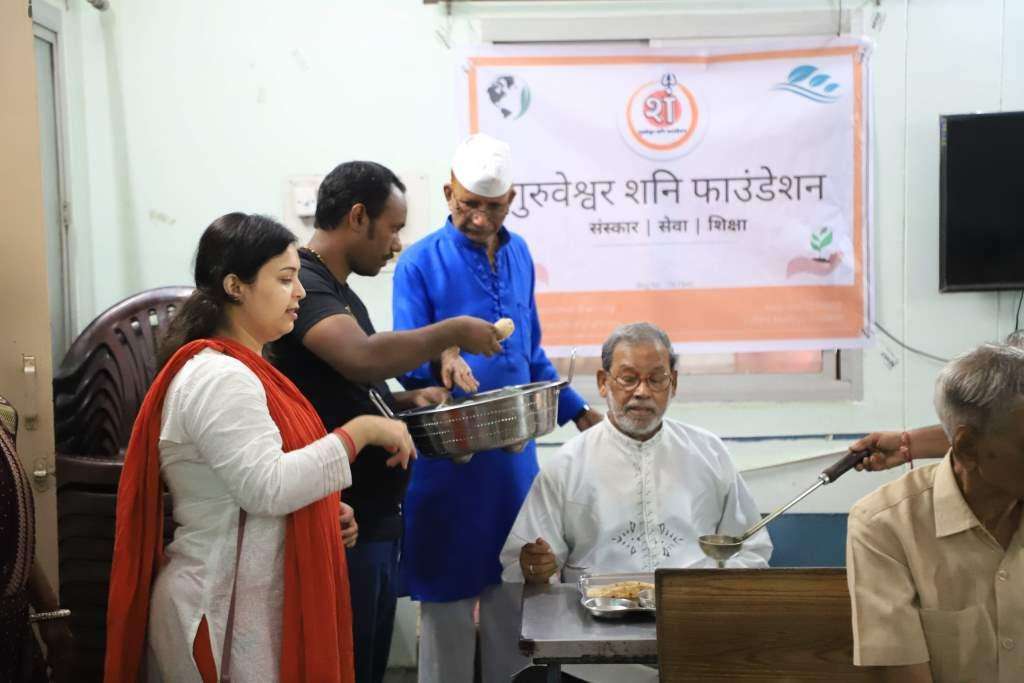
Donate on Diwali to the poor

- School Supplies:
For children, donate notebooks, pens, pencils, school bags, geometry sets, etc. These often help long beyond Diwali. - Medical Supplies & Healthcare Aid:
If possible, donate basic first-aid kits, medicines (non-prescription), or coordinate with health camps to benefit underserved areas. - Time & Volunteering:
Sometimes giving your time—visiting orphanages, old age homes, distributing food, organizing small cultural events—is equally valuable. Often more meaningful is the human connection.
Best practices to ensure effective giving:
- Choose credible organizations (with transparency) or local community groups whose work you have seen.
- Verify needs by contacting the recipient. Sometimes food may already be abundant, but clothing or medicines are need.
- Avoid wastage: Do not donate broken items or spoiled goods.
- Distribute in time: Donate before or on Diwali day itself so that recipients can feel the festival’s joy.
- Anonymity and dignity: If possible, donate without making recipients feel embarrassed; respect their dignity.
- Keep records: For your own benefit and accountability, keep receipts or confirmations.
In summary, donation during Diwali should be done thoughtfully, respectfully, and timely so that the light you spread helps others to celebrate as well.
Conclusion
In 2025, Diwali will primarily be celebrating on 20 October, with festivities spanning several days starting from Dhanteras on 18 October. The festival is rich in regional diversity, yet united in symbolism—light over darkness, good over evil. With systematic preparation (cleaning, shopping, puja setup, donation planning), one can enjoy a stress-free and spiritually fulfilling Diwali. Above all, by donating to the poor—whether food, clothing, money, or time—you imbue the festival with its true meaning of sharing and compassion. May your Diwali be full of light, joy, and generous hearts.