News

Shattila Ekadashi 2026: How to Get Rid of Poverty Through the Use of Sesame Seeds (Til)
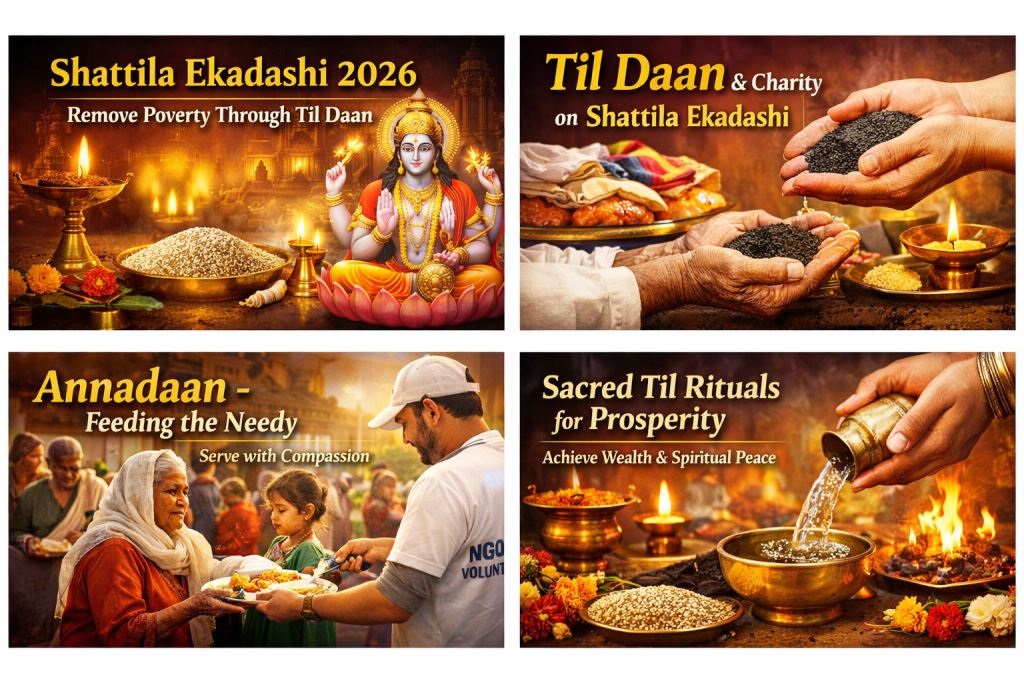
Can donation on Shattila Ekadashi

Shattila Ekadashi 2026 is one of the most spiritually powerful Ekadashi observances dedicated to Lord Vishnu. This sacred day emphasizes the ritualistic and symbolic use of sesame seeds (Til) to remove poverty, financial blockages, karmic debts, and ancestral doshas. According to Hindu scriptures, sincere worship on Shattila Ekadashi blesses devotees with prosperity, stability, and divine protection.

Shattila Ekadashi 2026 Date & Tithi

  • Ekadashi Tithi: Friday, 30 January 2026

  • Parana (Fast Breaking): Saturday, 31 January 2026
    (Timing may vary slightly by location; consult your local Panchang.)

What Is Shattila Ekadashi?

The word “Shattila” comes from:

  • “Shat” = six

  • “Til” = sesame seeds

On this Ekadashi, six sacred uses of Til are prescribed. These acts purify the soul, destroy sins, and—most importantly—attract wealth and abundance.

Why Sesame Seeds (Til) Are So Powerful

Sesame seeds are considered Akshay (indestructible) in Hindu tradition. They:

  • Absorb negative karmic energy

  • Please Lord Vishnu and ancestors (Pitru)

  • Balance Saturn-related financial hardships

  • Symbolize hidden prosperity and longevity

That is why Til is central to poverty-removal remedies on Shattila Ekadashi.


Six Sacred Uses of Til to Remove Poverty

Follow these six practices with faith for maximum results:

1. Til Snan (Bath with Sesame Seeds)

Mix black sesame seeds in bathing water early in the morning.
Benefit: Removes past-life poverty karma and mental stress.

2. Til Ubtan (Sesame Paste Application)

Apply a paste of Til before bath.
Benefit: Clears energetic blockages and financial stagnation.

3. Til Havan (Fire Offering)

Offer sesame seeds into the havan fire while chanting Vishnu mantras.
Benefit: Burns debts, obstacles, and misfortune.

4. Til Daan (Donation of Sesame Seeds)

Donate Til with food, clothes, or money to the needy or a temple.
Benefit: Opens channels of income and blessings.

5. Til Bhojan (Eating Til-based Food)

Consume Til ladoo, Til roti, or Til khichdi after fasting.
Benefit: Ensures food security and family prosperity.

6. Til Jal (Offering Water with Sesame Seeds)

Offer water mixed with Til to the Sun or Vishnu.
Benefit: Removes Pitru Dosha and long-term poverty.


Shattila Ekadashi Puja Vidhi 

  1. Wake up during Brahma Muhurta

  2. Perform Til Snan

  3. Take a vow for Ekadashi fast

  4. Worship Lord Vishnu with Tulsi leaves

  5. Offer Til, fruits, and sweets

  6. Chant Vishnu mantras

  7. Do Til Daan in the evening

  8. Break fast next day after Parana time


Powerful Mantras for Wealth & Prosperity

Chant these mantras 108 times on Shattila Ekadashi:

  • “Om Namo Bhagavate Vasudevaya”

  • “Shri Vishnave Namah”

  • “Om Shreem Mahalakshmyai Namah”


How Shattila Ekadashi Removes Poverty

When Til is used with fasting, devotion, and charity, it:

  • Neutralizes Saturn and ancestral afflictions

  • Removes repeated financial losses

  • Brings stable income and opportunities

  • Protects from sudden expenses

  • Attracts Goddess Lakshmi’s grace


Charity & Social Impact

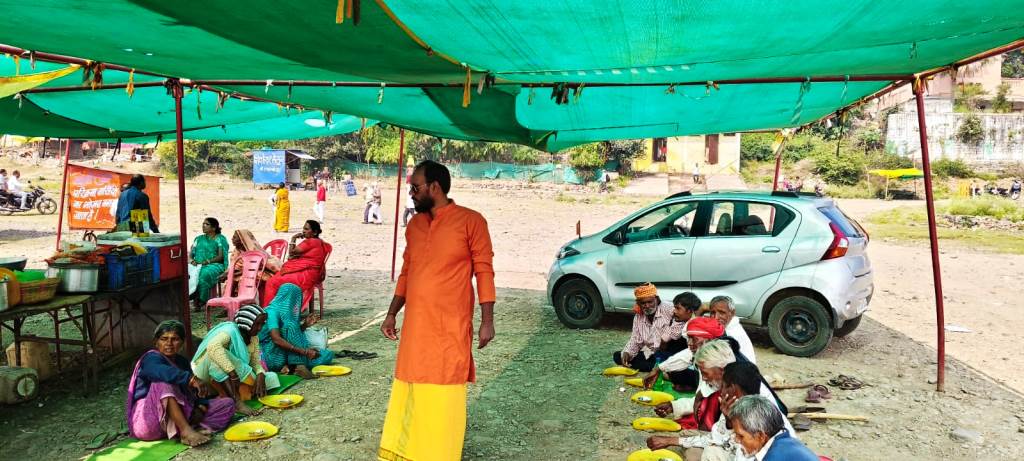
On this auspicious day, donating food and essentials multiplies spiritual merit.
Organizations like Guruweshvar Shani Foundation encourage Til Daan, food distribution, and support for the needy—turning devotion into real-world relief for poverty.


Do’s and Don’ts on Shattila Ekadashi

Do

✔ Fast with devotion
✔ Use black or white sesame seeds
✔ Donate with humility
✔ Chant Vishnu mantras

Don’t

✖ Eat grains
✖ Lie or argue
✖ Disrespect food or elders
✖ Ignore charity


Spiritual & Material Benefits

  • Freedom from poverty

  • Debt relief

  • Business and job growth

  • Family harmony

  • Ancestor peace

  • Long-term prosperity


Frequently Asked Questions (FAQs): Shattila Ekadashi 2026

Q1. What is Shattila Ekadashi and why is it important?

Shattila Ekadashi is a sacred Ekadashi dedicated to Lord Vishnu where sesame seeds (Til) are used in six holy ways. It is especially powerful for removing poverty, debts, and ancestral karmic obstacles.


Q2. When is Shattila Ekadashi in 2026?

Shattila Ekadashi will be observed on Friday, 30 January 2026, and the fast will be broken on Saturday, 31 January 2026, after Parana time.


Q3. How does Til (sesame seeds) help in removing poverty?

Til absorbs negative karmic energy and is considered Akshay (imperishable). Donating and using Til on Shattila Ekadashi:

  • Removes financial blockages

  • Reduces Saturn (Shani) related hardships

  • Brings Goddess Lakshmi’s blessings

  • Ends long-term poverty cycles


Q4. What are the six uses of Til on Shattila Ekadashi?

The six sacred practices are:

  1. Til Snan (bath)

  2. Til Ubtan (paste application)

  3. Til Havan (fire offering)

  4. Til Daan (charity)

  5. Til Bhojan (eating Til food)

  6. Til Jal (water offering)


Q5. Can donation on Shattila Ekadashi really change financial destiny?

Yes. Scriptures state that Til Daan on Shattila Ekadashi multiplies punya (merit) many times. Charity done on this day directly neutralizes poverty-related karma and brings long-term stability.


Q6. What is the best donation on Shattila Ekadashi?

The best donations include:

  • Sesame seeds (Til)

  • Food grains and cooked meals

  • Blankets and clothes

  • Financial donations for annadaan


Q7. Is fasting compulsory on Shattila Ekadashi?

Fasting is recommended but not compulsory. If fasting is not possible, one can still gain benefits by Til Daan, mantra chanting, and helping the poor.


Q8. How does Guruweshvar Shani Foundation support Shattila Ekadashi charity?

Guruweshvar Shani Foundation organizes:

  • Til Daan drives

  • Food distribution (Annadaan)

  • Support for the elderly and needy

  • Religious and spiritual welfare activities

Your donation turns spiritual belief into real social impact.


Q9. Can Shattila Ekadashi remove ancestral (Pitru) dosha?

Yes. Offering Til with water and performing charity on this day helps pacify ancestors and removes Pitru Dosha, which is often linked to poverty and repeated struggles.


Q10. Can women and working people observe Shattila Ekadashi?

Absolutely. Anyone—men, women, students, professionals—can observe Shattila Ekadashi according to their capacity and still receive divine blessings.

Conclusion

Shattila Ekadashi 2026 is a rare divine opportunity to transform poverty into prosperity through the sacred power of sesame seeds (Til). When performed with faith, discipline, and charity, this Ekadashi not only improves financial conditions but also uplifts spiritual consciousness.

Observe it sincerely, donate generously, and allow Lord Vishnu’s blessings to flow abundantly into your life.

Shattila Ekadashi 2026: How to Get Rid of Poverty Through the Use of Sesame Seeds (Til) Read More »


Mauni Amavasya 2026 – Date, Muhurat, Importance & Power of Donation

Mauni Amavasya 2026 – Date, Muhurat, Importance & Power of Donation

Mauni Amavasya 2026 Date and Tithi

The Mauni Amavasya 2026 will be observed on Sunday, 18 January 2026.

  • Amavasya Tithi Begins: 18 January 2026, early morning

  • Amavasya Tithi Ends: 19 January 2026, early morning

Therefore, Mauni Amavasya falls in the sacred Magha month of the Hindu lunar calendar. This Amavasya is also known as Maghi Amavasya and is considered one of the most spiritually powerful days of the year.

What Is Mauni Amavasya?

Mauni Amavasya is the new moon day of the Magha month. The word Mauni comes from Maun, meaning silence. On this day, devotees traditionally observe silence, practice self-control, and focus on spiritual discipline.

This sacred observance is deeply connected with:

  • Inner purification

  • Control over speech and senses

  • Breaking negative karmic cycles

  • Spiritual awakening through silence, charity, and devotion


Mauni Amavasya 2026 Muhurat (Auspicious Time)

While the entire Amavasya Tithi is auspicious, the most powerful time for rituals is:

  • Brahma Muhurat and early morning hours

  • Sunrise period on 18 January 2026

Key rituals like holy bath, charity, ancestor worship, and meditation give maximum spiritual results when performed before or around sunrise.


Spiritual Importance of Mauni Amavasya

1. Holy Bath (Sacred River Bath)

Taking a holy bath on Mauni Amavasya, especially in sacred rivers like the Ganga, is believed to:

  • Remove accumulated sins

  • Purify body and mind

  • Grant spiritual merit equivalent to major yajnas

Even bathing at home with a few drops of sacred river water is considered beneficial.


2. Observing Silence (Maun Vrat)

Silence is the soul of Mauni Amavasya. Practicing silence helps:

  • Calm the mind

  • Strengthen self-discipline

  • Increase spiritual awareness

  • Reduce negative thoughts and ego

Devotees often combine silence with meditation, mantra chanting, and prayer.


3. Ancestor Worship (Pitru Tarpan)

Mauni Amavasya is highly auspicious for ancestor rituals. Offering water, sesame seeds, and prayers for ancestors is believed to:

  • Bring peace to departed souls

  • Remove ancestral obstacles

  • Attract blessings for family prosperity and harmony


Importance of Donation on Mauni Amavasya

Why Donation Is So Powerful on This Day

Charity performed on Mauni Amavasya is considered Akshay, meaning it gives never-ending spiritual rewards. Scriptures state that donations made on this day multiply manifold and help reduce past karmic burdens.

Best Items for Donation

  • Food grains

  • Cooked food

  • Warm clothes

  • Black sesame seeds

  • Ghee, rice, or essential items

  • Monetary donation for spiritual or charitable causes

Donations offered with humility and devotion on Mauni Amavasya are believed to:

  • Remove poverty and obstacles

  • Reduce planetary afflictions

  • Bring peace, stability, and divine grace

  • Accelerate spiritual progress


Mauni Amavasya Puja and Ritual Guide

Morning Routine

  1. Wake up before sunrise

  2. Take a holy bath or add sacred water to bathing water

  3. Wear clean, simple clothing

  4. Offer water to the Sun

Spiritual Practices
5. Observe silence as much as possible
6. Perform ancestor offerings
7. Donate food, clothes, or essentials to the needy
8. Spend time in meditation and prayer


Astrological and Karmic Significance

Mauni Amavasya is especially beneficial for:

  • People facing life obstacles

  • Those suffering from karmic imbalance

  • Individuals seeking peace, discipline, and clarity

  • Devotees aiming for spiritual growth and liberation

Charity and silence on this day help neutralize negative karmas and strengthen positive planetary influences.

Mauni Amavasya 2026 Donation Appeal

Donate on Mauni Amavasya 2026 – Multiply Your Spiritual Merit

Mauni Amavasya 2026 is one of the most powerful days in the …

Mauni Amavasya 2026 – Date, Muhurat, Importance & Power of Donation Read More »

Upcoming Donation Festivals 2026 in India – Best Days for Charity

Upcoming Donation Festivals 2026 in India – Best Days for Charity

Auspicious Days for Donation 2026

India has a long spiritual tradition where donation (daan) is considered a sacred duty. In 2026, many religious and cultural festivals offer powerful opportunities to donate for food, education, healthcare, cow seva, and social welfare.

Donating on auspicious days is believed to multiply spiritual merit while directly helping people in need. Below is a complete month-wise guide to the upcoming donation festivals 2026 in India.

Why Donate on Festivals?

  • Considered spiritually rewarding in Hindu tradition

  • Helps the poor through food, education, and healthcare

  • Creates positive karma and social impact

  • Strengthens community welfare


📅 Upcoming Donation Festivals 2026 (India)

January – February 2026

  • Makar Sankranti – Donate food grains, clothes, blankets

  • Mauni Amavasya – Annadan, cow feeding, spiritual charity

  • Vasant Panchami – Education, book, and stationery donation

March – April 2026

  • Maha Shivratri – Temple support, food donation, medical help

  • Holi – Clothes donation and community welfare

  • Chaitra Navratri – Women and child welfare

  • Ram Navami – Annadan and cow seva

May – June 2026

  • Akshaya Tritiya ⭐ – One of the most powerful days for charity

  • Ganga Dussehra – Water conservation and environmental causes

July – August 2026

  • Guru Purnima – Education and spiritual learning donations

  • Nag Panchami – Animal welfare and nature protection

  • Shravan Month Mondays – Monthly spiritual donations

September – October 2026

  • Pitru Paksha (Shraddh) ⭐ – Ancestor-related charity and annadan

  • Sharad Navratri – Food, women empowerment, healthcare

  • Dussehra (Vijayadashami) – Social upliftment and education

November 2026

  • Dhanteras – Medical and health-related donations

  • Diwali (Lakshmi Puja) ⭐ – Poor families, children, livelihood support

  • Govardhan Puja – Cow feeding and rural welfare

December 2026

  • Geeta Jayanti – Spiritual education and value-based initiatives

  • Margashirsha Month – Regular annadan and charity


⭐ Most Auspicious Donation Days 2026

  • Akshaya Tritiya

  • Pitru Paksha Amavasya

  • Diwali (Lakshmi Puja)

  • Ekadashi (twice monthly)

  • Amavasya (New Moon days)


🙏 Make Your Festival Meaningful

Even a small donation made with devotion can change lives. Support food, education, healthcare, and animal welfare during festival donation days in 2026.

👉 Donate online on an auspicious festival and spread hope.


FAQ

FAQs – Donation Festivals 2026

Q1. Which is the best day for donation in 2026?
Akshaya Tritiya, Diwali, and Pitru Paksha Amavasya are considered the most auspicious days for charity.

Q2. Is donating on festivals beneficial?
Yes, festival donations are believed to bring spiritual merit and help those in need through food, education, and healthcare.

Q3. Can I donate online on festival days?
Yes, many trusted NGOs and foundations accept secure online donations during festivals.

Q4. What type of donation is best on religious festivals?
Annadan (food donation), education support, medical aid, and cow seva are highly recommended.

Upcoming Donation Festivals 2026 in India – Best Days for Charity Read More »

Makar Sankranti 2026: Donate and Make a Difference

Donation on Makar Sankranti, Makar Sankranti 2026

Makar Sankranti, one of India’s most celebrated festivals, marks the transition of the sun into Capricorn. Observed with joy across the country, it is a time of giving, sharing, and spreading happiness. In 2026, this festival falls on January 14, offering a perfect opportunity to contribute to charitable causes and make a positive impact.

Why Donate During Makar Sankranti?

Makar sankranti donation

During Makar Sankranti, people traditionally exchange sweets like tilgul and sesame seeds, symbolizing goodwill and unity. Similarly, donating to charity reflects these values, as it helps underprivileged communities and spreads joy. By choosing to donate, you are not only observing tradition but also creating meaningful change in society.

Moreover, donations made during festivals are often considering auspicious. They can support education, health care, food distribution, and other social initiatives. Therefore, contributing on Makar Sankranti 2026 is both spiritually and socially rewarding.

How Your Donation Helps

  1. Feeding the Needy: Donations are often used to provide meals to the hungry, ensuring that everyone can celebrate the festival with dignity.

  2. Supporting Education: Many charitable organizations use funds to supply books, uniforms, and learning materials for children.

  3. Healthcare Initiatives: Contributions also fund medical camps, vaccinations, and essential healthcare services for marginalized communities.

  4. Women Empowerment Projects: Donations empower women by supporting skill development and small-scale businesses.

By donating, your contribution becomes a source of hope. Lives are transformed, and communities are strengthened.

Ways to Donate

Today, donating has become easier than ever. You can contribute through online platforms, mobile apps, or direct bank transfers. Many NGOs provide transparent systems to track donations, ensuring your generosity reaches the right hands. Additionally, some organizations even provide certificates or acknowledgment messages, which make the giving experience more meaningful.

When selecting a platform, ensure that it is reliable, transparent, and registered, as this ensures your donation is used effectively.

Makar sankranti donation


Tips for Making the Most Impact

  • Plan Ahead: Identify organizations that align with causes you care about.

  • Start Small, Grow Later: Even small donations matter, especially when combined with others.

  • Use Matching Programs: Some companies match employee donations, doubling the impact.

  • Spread Awareness: Encourage friends and family to participate, creating a ripple effect of generosity.

When is Makar Sankranti 2026: Know Date and Time

In 2026, it will be celebrating on January 14th. The auspicious period for this day will begin at 3:13 PM. The most auspicious period (Maha Punya Kaal) will be from 3:13 PM to 4:58 PM. According to the scriptures, bathing, charity, and worship performed during this period yield manifold blessings. It is believed that performing acts of charity during this auspicious time brings eternal merit and ushers in happiness and prosperity in the devotee’s life.

Charity Or Donation on Makar Sankranti

The festival of Makar Sankranti is considered incomplete without acts of charity and good deeds. The scriptures state that charity performed on this day yields inexhaustible rewards, the merit of which never diminishes. Serving the poor, helpless, and needy on this day greatly pleases Lord Surya (the Sun God).

Donation of FoodDonating food is of special significance on this day. Donating khichdi (a dish made of rice and lentils) is considered extremely auspicious. Donating sesame seeds and jaggery also leads to an increase in wealth, fame, and respect. Feeding a hungry person on this day is considered an excellent way to receive the blessings of Goddess Annapurna.

Donation of Clothing: Donating clothes also holds special importance on the occasion of Makar Sankranti. Donating new clothes or donating blankets or sweaters for winter to the poor, elderly, and needy is considered meritorious. Doing so removes obstacles in life and paves the way for happiness and peace.

Conclusion

Makar Sankranti 2026 is not just a celebration of harvest and prosperity; it is also an opportunity to share your blessings with those in need. By donating, you honor the spirit of the festival and contribute to building a compassionate society. This Makar Sankranti, let your generosity light the lives of others and create lasting happiness.

Donate today and be a part of the positive change!

Makar Sankranti 2026: Donate and Make a Difference Read More »

Top Sins in Hinduism: Understanding Moral Responsibilities

Unforgivable sins in hinduism, Top Sins in Hinduism: Understanding Moral Responsibilities

10 sins in hinduism, Donation Remove Sins, Unforgivable sins in hinduism

Hinduism, also known as Sanatan Dharma, offers a profound moral framework that guides individuals toward righteous living. The concept of sin, or pāpa, describes actions that disturb harmony, cause suffering, or move a person away from spiritual growth. Although Hindu scriptures describe many forms of wrongdoing, certain sins are consistently seen as the most harmful. These acts not only damage society but also create heavy karmic consequences. Therefore, understanding these wrongdoings helps individuals live with awareness and responsibility.

Top Sins in Hinduism

1. Violence and Cruelty (Himsa)
Non-violence is a central value in Hindu philosophy. Any action that harms innocent beings is considered a major sin. Physical aggression, cruelty toward animals, and emotional torture all fall under this category. Moreover, scriptures emphasize compassion as the highest virtue, which makes violence one of the gravest wrongs.

2. Falsehood (Asatya)
Truth (satya) is viewed as divine. However, lying, cheating, and manipulating others create deep scars in relationships. Even a small falsehood can grow into larger harm, and this is why truthfulness is repeatedly encouraged in texts like the Manusmriti and Mahabharata.

3. Stealing and Dishonesty (Staya)
Taking what does not belong to you, whether money, possessions, or even ideas, is strongly condemned. Moreover, corruption, fraud, and misuse of charitable funds are seen as modern forms of this ancient sin. Integrity is treated as essential for dharmic living.

4. Lust and Adultery (Parastrī-Gaman)
Hinduism places great importance on family harmony. Therefore, adultery is considered a serious offence that breaks trust and destroys relationships. Self-control is encouraged because lust is believed to cloud judgment and weaken spiritual discipline.

5. Greed and Corruption (Lobha)
Greed leads to exploitation, injustice, and unfair practices. However, Hindu teachings stress contentment (santosha) as a path to inner peace. When greed grows, individuals harm others for profit, which becomes a major sin.

Unforgivable sins in hinduism

6. Addiction and Intoxication (Madya-Nasha)
Misuse of intoxicants dulls the mind and invites further wrongdoing. Additionally, gambling and substance abuse weaken discipline and disrupt family life. This is why self-restraint is praised in many scriptures.

7. Disrespecting Parents and Gurus
Honoring parents, teachers, and elders is considered a sacred duty. Any disrespect toward them is viewed as a severe moral failure. Moreover, neglecting their needs, especially in old age, is considered a major sin in Hindu ethics.

8. Slander and Harsh Speech
Words hold power. Therefore, insulting others, spreading rumors, or speaking harshly creates negative karma. The Bhagavad Gita encourages gentle and honest communication for maintaining harmony.

9. Arrogance and Ego (Ahankara)
Ego is seen as the root of many sins. It separates individuals from humility, compassion, and spiritual wisdom. Thus, excessive pride is considered dangerous for both personal growth and social stability.

10. Supporting Injustice (Adharma)
Remaining silent in front of wrongdoing is also treated as sinful. Hinduism teaches that individuals must, whenever possible, stand for truth and fairness. Meanwhile, avoiding responsibility only encourages further harm.

In conclusion, Hinduism guides people to choose actions rooted in compassion, honesty, and self-discipline. By avoiding these major sins, individuals move closer to peace, balance, and spiritual progress.

Can Donation Remove Sins in Hinduism?

In Hinduism, Dāna (donation or charity) is considering one of the greatest virtues. Scriptures like the Bhagavad Gita, Puranas, Manusmriti, and Dharma Shastras describe donation as a powerful way to purify the mind, reduce negative karma, and uplift society. However, it is important to understand how donation affects sins and what its limitations are.


Donation and Removal of Sin 

Donation Reduces Negative Karma, But Does Not Erase All Sins Automatically

Hindu texts clearly explain how donation affects karma.

👉 दान purifies the heart and reduces the weight of past karmas.
👉 It creates positive karma (पुण्य) that balances some negative actions.

But:

❗ Donation does NOT cancel serious sins if a person continues wrongdoing.
❗ A person must repent sincerely and change their behaviour to purify themselves.

Just giving money does nothing if the intention remains selfish.


Donation Done With Pure Intention Brings the Most Benefit

The scriptures say:

“Shraddhayā dīyate dānam” — Donate with faith.

A donation removes sin only when the donor keeps a pure heart and a genuine desire to change.


Types of Donations That Purify Sins (According to Sanatan Dharma)

1. Annadaan (Food Donation)

  • People donate food to remove hunger and suffering.

  • This charity creates immense punya and uplifts society.

2. Gau-daan (Cow Protection / Feeding Cows)

  • People protect and feed cows to express purity and compassion.

3. Vastra-daan (Clothes Donation)

  • Donors give clothes to help the poor stay protected and dignified.

4. Education Donation

  • People support children’s education to shape their future positively.

  • This donation holds high spiritual value.

5. Medical Donation

  • Donors help with hospital bills, medicines, and treatment.

  • This form of charity often saves lives.

6. Helping the Elderly & Needy

  • Serving the elderly, orphans, and those in need directly serves God.

shani temple account number


Why Donation Purifies the Soul

Hinduism teaches that sins arise from:

  • Greed
  • Ego
  • Anger
  • Attachment

Donation works against these harmful qualities. When a person gives with love and humility, he weakens greed and ego. This discipline cleans the mind and creates inner purity (चित्त-शुद्धि).

Read Also – Somvati Amavasya 2025: A Sacred Opportunity for Seva and Charity

Top Sins in Hinduism: Understanding Moral Responsibilities Read More »

Donate For Needy Peoples on Amavashya

Secure payment for charity in India, Amavashya donation for social welfare, Gau Seva on Amavashya by Guruweshvar Shani Foundation, Food distribution to poor families on Amavashya, Donate to needy people on Amavashya, What We Do on Amavashya

Donate to needy people on Amavashya, Secure payment for charity in India

Amavashya, the new moon day, is considered highly auspicious in Hindu tradition. It is a day for spiritual reflection, charity, and helping those in need. Guruweshvar Shani Foundation encourages devotees and well-wishers to participate in seva by donating to support the poor, underprivileged families, and marginalised communities.


 Why Amavashya is the Best Time to Donate


  • Spiritual Significance: Amavashya is associated with charity and blessings. Performing dana (charity) on this day is believed to bring peace, prosperity, and divine favour.

  • Social Impact: Donations on Amavashya directly help poor families, widows, and senior citizens who depend on support for food, clothing, and healthcare.

  • Community Upliftment: Collective donations create a strong impact in local communities, helping children receive education and families access basic necessities.


How Guruweshvar Shani Foundation Helps the Needy

Guruweshvar Shani Foundation runs several social welfare initiatives:

  1. Food Distribution Programs – Providing daily meals to underprivileged families and senior citizens.

  2. Healthcare Assistance – Medical camps and free check-ups for those who cannot afford treatment.

  3. Education Support – Supplying school materials, uniforms, and scholarships for children from poor families.

  4. Gau Seva & Community Welfare – Supporting cow shelters and rural welfare programs that indirectly benefit local communities.


How You Can Donate to Amavashya

Donating is easy, secure, and impactful:

  1. Visit our Donate Page.

  2. Choose your preferred program (Food, Education, Elderly Support, Gau Seva).

  3. Enter your donation amount.

  4. Complete payment via secure online gateways (Razorpay, Credit/Debit Cards, Net Banking).

  5. Receive instant acknowledgement and a donation receipt.

Even a small contribution can make a big difference in someone’s life.

shani temple account number


 Benefits of Donating on Amavashya

  • Helps you perform a spiritual and charitable act

  • Supports poor families in India with essential needs

  • Ensures your contribution reaches trustworthy NGO programs

  • Promotes social welfare, education, and community development


What We Do on Amavashya

Charitable Activities on Amavasya

Amavashya, the new moon day, is considered highly auspicious for spiritual reflection and charity. At Guruweshvar Shani Foundation, we perform several seva activities on this day to support both humans and animals. Through your generous donations, we carry out meaningful programs that impact lives and communities.

Gau Seva (Cow Welfare)

Cows hold a sacred place in Indian tradition. On Amavashya, we:


  • Provide food, water, and medical care to cows in shelters


  • Educate communities about the importance of cow protection


  • Encourage volunteers to participate in hands-on care and feeding

Impact: Helps preserve tradition, supports rural livelihoods, and promotes sustainable agriculture.

Food Distribution to Needy Families

Hunger affects countless families across India. On Amavashya, we:


  • Distribute meals and essential groceries to underprivileged families


  • Organize community kitchens for those in remote areas


  • Ensure nutrition and care for children, elderly, and poor households

Impact: Provides immediate relief, promotes health, and spreads goodwill.

Fish & Dog Feeding Programs

We extend our care to animals beyond cows:


  • Fish feeding: Supporting aquatic life in local ponds


  • Dog feeding: Providing meals for stray and community dogs

Impact: Encourages compassion towards all living beings and maintains ecological balance.

Blanket Distribution to the Needy

During winters, many underprivileged families struggle with the cold. On Amavashya, we:


  • Distribute warm blankets to poor families, homeless individuals, and senior citizens


  • Partner with volunteers to reach remote villages and urban slums

Impact: Provides comfort, warmth, and relief during harsh weather.

How You Can Help

You can make a difference by contributing online:


  1. Visit our Donate Page


  2. Select a program: Gau Seva, Food, Animal Care, Blanket Distribution


  3. Enter your donation amount


  4. Complete the payment securely via Razorpay or Net Banking


  5. Receive instant acknowledgement and a donation receipt

Every contribution ensures that our Amavashya seva programs reach those in need.


Conclusion

Amavashya is not just a day of spiritual observance; it is an opportunity to make a meaningful impact in the lives of needy people. By donating to Guruweshvar Shani Foundation, you ensure that your charity reaches the right hands and supports sustainable welfare programs.

Join us this Amavashya to help poor families, provide education to children, and support community welfare. Your donation can change lives!

Donate For Needy Peoples on Amavashya Read More »

Margashirsha Amavasya: Date, Timing, and Subh Muhurat Donation

Margashirsha Amavasya: Date, Timing, and Subh Muhurat Donation

Margashirsha Amavasya: Date, Timing, and Shubh Muhurat

Amavasya, the new moon day, holds deep spiritual importance in Hindu culture. Among the various Amavasyas throughout the year, Margashirsha Amavasya stands out because of its connection with rituals, ancestral offerings, and spiritual practices. In this blog, we will explore the date, timing, significance, Shubh Muhurat, and answer common questions about Margashirsha Amavasya.

What is Margashirsha Amavasya?

Margashirsha is the ninth month in the Hindu lunar calendar, corresponding roughly to November–December in the Gregorian calendar. Amavasya in this month, also called Margashirsha Amavasya, is considering highly auspicious for performing pitru tarpan, yagna, and other spiritual practices. It is believed that such rituals bring prosperity, peace, and the removal of obstacles.

Significance of Margashirsha Amavasya

However, First and foremost, Margashirsha Amavasya is dedicated to ancestral worship. Hindus perform Shraddha or offerings to honor their forefathers. It is widely believed that by doing so, blessings and protection are received.

Moreover, this day is significant for spiritual cleansing. Also Fasting and prayers are observed to purify the mind and soul. Additionally, performing rituals on Margashirsha Amavasya is said to attract positive energy, improve financial stability, and enhance overall well-being.

Finally, planetary influences play a role. The lunar energies present on this day make it ideal for meditation, charity, and spiritual growth.

Margashirsha Amavasya Date 2025

In 2025, Margashirsha Amavasya falls on Sunday, December 15. On this day, devotees observe fasting, offer prayers, and perform pitru tarpan to honor ancestors.

Margashirsha Amavasya Timing (2025)

  • Amavasya Tithi Begins: December 14, 2025, at 07:21 AM
  • Amavasya Tithi Ends: December 15, 2025, at 06:12 AM (next day)

Note: Exact timing may vary slightly depending on the city and location.

Margashirsha Amavasya Donation

shani temple account number

Shubh Muhurat for Margashirsha Amavasya

For performing important rituals, puja, and charity, the Shubh Muhurat is considered:

  • Pradosh Kaal: 05:30 PM – 07:30 PM
  • Abhijit Muhurat: 11:45 AM – 12:30 PM

However, certain hours are considered Durmuhurta. For example, between 09:00 AM – 10:00 AM, rituals should be avoided.

Furthermore, devotees can take a Ganga Snan (holy bath in the river) early in the morning, which is considered highly meritorious.

Rituals and Traditions

  • Pitru Tarpan: Water and sesame seeds are offer to honor ancestors.
  • Fasting: Observing a fast helps remove negative karma and attract blessings.
  • Charity (Daan): Donating food, clothes, or money to the needy is highly recommended.
  • Temple Visits: Worshipping Lord Vishnu, Lord Shiva, or Goddess Lakshmi enhances spiritual benefits.

Tips to Observe Margashirsha Amavasya

To make the most of this auspicious day:

  • Wake up early, take a holy bath, and begin with prayers.
  • Prepare offerings such as sesame seeds, rice, flowers, and water.
  • Avoid negative thoughts, arguments, or disputes.
  • Recite mantras and bhajans to attract positive vibrations.

FAQs About Margashirsha Amavasya

Q1: Why is Margashirsha Amavasya considered important?
A: Margashirsha Amavasya is important because it is dedicated to ancestral worship, spiritual cleansing, and performing rituals that bring prosperity and remove obstacles.

Q2: What rituals are performed on Margashirsha Amavasya?
A: Key rituals include Pitru Tarpan, fasting, charity (daan), and temple visits. Many also perform Ganga Snan and special prayers to invite positive energy.

Q3: Can women perform rituals on this day?
A: Yes, women can perform all rituals, including Pitru Tarpan, fasting, and prayers. Traditionally, both men and women participate in spiritual activities on Margashirsha Amavasya.

Q4: What is the best time to perform rituals?
A: The Shubh Muhurat includes Pradosh Kaal (05:30 PM – 07:30 PM) and Abhijit Muhurat (11:45 AM – 12:30 PM). Rituals are avoided during Durmuhurta (09:00 AM – 10:00 AM).

Q5: Is fasting mandatory on Margashirsha Amavasya?
A: Fasting is not mandatory, but it is highly recommended for spiritual purification and attracting blessings. Even partial fasting or abstaining from certain foods is beneficial.

Conclusion

Margashirsha Amavasya is a spiritually significant day that provides the perfect opportunity to honor ancestors, perform rituals, and seek blessings.

Therefore, mark your calendars for December 15, 2025, and embrace the spiritual essence of Margashirsha Amavasya by performing rituals and reflecting on ancestral blessings.

Also Read

Donations for Sade Sati Based on Each Zodiac Sign

Shanichari Amavasya 2025 : Donate, Remedy of Shani Sade Sati

Margashirsha Amavasya: Date, Timing, and Subh Muhurat Donation Read More »

Donate Online to Help Poor Families | Charity Donation Online India

charity donation online, Donate Online to Help Poor Families | Charity Donation Online India

Donate Online to Help Poor Families – Make a Difference Today

In today’s digital age, doing good has never been easier. You can donate online to help poor families and bring hope to those struggling to survive. Across India and the world, countless families face daily challenges — hunger, lack of education, and medical hardship. Your online donation, no matter the amount, can make a real and lasting difference.

Why Donate Online in India Matters

Poverty continues to affect millions of families in India. Many parents cannot afford proper meals, healthcare, or school fees for their children. By choosing to donate online in India, you can reach these families quickly and efficiently through trusted NGO platforms.

Your charity donation online can:

  • Provide food and clean water to hungry families

  • Pay for children’s school fees and learning materials

  • Fund medical treatment and healthcare support

  • Offer shelter, clothing, and basic needs to the poor

Even a small contribution has the power to transform lives. When you help poor families through charity initiatives, you give them more than money — you give them dignity and hope for a better tomorrow.

Benefits of Online Donation for Poor Families

When you make an online donation for poor families, you’re helping ensure transparency and impact. Most NGO donation websites in India offer safe, secure, and easy-to-use platforms where you can track your contributions and see the difference you make.

You can choose to donate one-time or set up monthly recurring donations to provide ongoing help to underprivileged communities. With just a few clicks, you can support genuine causes, verified charities, and transparent campaigns that change lives.

Support Underprivileged Families and Build Hope

Your contribution doesn’t just meet immediate needs; it helps create long-term change. When you support underprivileged families, you empower them to stand on their own feet through access to education, healthcare, and skill development.

Through NGO donation websites, your funds can help build sustainable programs that focus on women’s empowerment, livelihood training, and community welfare. Together, these initiatives reduce poverty and create opportunities for growth and self-reliance.

Join a Charity Donation Online Movement

Every donation counts. By participating in charity donation online drives, you become part of a larger movement of kindness and compassion. When you donate online to help poor families, you’re not just giving — you’re changing lives and inspiring others to do the same.

Take a few moments today to visit a trusted NGO donation website, select your cause, and make your contribution. Whether it’s ₹100 or ₹1,000, your generosity can feed a family, send a child to school, or pay for urgent medical care.

Let’s unite to help poor families’ charity programs and create a world where every family has access to food, education, and hope.

Donate Online to Help Poor Families | Charity Donation Online India Read More »

When Is Diwali 2025? Key Dates and Schedule Donation

When Is Diwali 2025 Key Dates and Schedule

When Is Diwali 2025? Key Dates and Schedule

Diwali, also called Deepavali, is one of the grandest festivals in India. In 2025, the main Diwali (Lakshmi Puja) falls on Monday, 20 October.  According to the lunar calendar, the Amavasya (new moon) tithi begins on 20 October at about 3:44 PM and continues into 21 October.  The auspicious Lakshmi Puja muhurat is between approximately 7:08 PM and 8:18 PM on October 20.

Because the Amavasya overlaps two days, some confusion arises about whether Diwali should be on 20 or 21 October. Nevertheless, most traditions and authorities (such as Kashi Vidwat Parishad) confirm that 20 October 2025 is the correct day to celebrate Lakshmi Puja.

Typically, Diwali is celebrated over five days (sometimes six in certain regions).  The 2025 schedule is roughly as follows:

DayFestivalDateKey Rituals / Significance
Day 1Dhanteras (Dhantrayodashi)18 October (Saturday)Worship of Lord Dhanvantari, buying new utensils, gold, silver; cleaning homes
Day 2Narak Chaturdashi (Chhoti Diwali)19 October (Sunday)Early morning oil bath (Abhyanga), lighting small lamps, worship of Yama, defeating darkness
Day 3Lakshmi Puja / Diwali (main day)20 October (Monday)Worship Goddess Lakshmi, Ganesha, illuminate homes, exchange gifts
Day 4Govardhan Puja / Annakut21 October (Tuesday)Offering large food “mountain”, worship of Krishna and Govardhan Hill
Day 5Bhai Dooj / Yama Dwitiya22 October (Wednesday)Sisters pray for brothers, apply tilak, exchange sweets/gifts

Some areas might add Day 6 or local variants (for instance, Bali Pratipada or other regional observances).

Thus, one should plan the preparations well ahead and align rituals with the above timings.


Region-Wise Diwali Celebrations in India

Although the core idea—light overcoming darkness—remains common, Diwali is celebrated differently across India. Below is a region-wise snapshot, with transitions to show variety and connection.

  1. North India (Uttar Pradesh, Bihar, Delhi, Punjab, Haryana, Rajasthan, Uttarakhand):
    In North India, Diwali is associating especially with Lord Rama’s return to Ayodhya after exile. Therefore, on the night of Diwali, homes, streets, and temples are decorated with rows of diyas (oil lamps). Firecrackers are burst energetically, and Prasad and sweets are shared. On Diwali night, Lakshmi–Ganesha puja is central. On the following days, Bhai Dooj and Govardhan Puja are observed with full gaiety.
  2. West India (Gujarat, Maharashtra, Goa):
    In Gujarat, Diwali also marks the start of the new financial year. Thus, business ledgers are cleaned and worshipped (Chopda Puja). People wear new clothes, burst crackers, and observe Lakshmi Puja. In Maharashtra, Diwali is often followed by Balipratipada (also called Bali Padwa), celebrating the return of King Bali. (Wikipedia) Goa blends local Konkani traditions, lighting up homes, sharing sweets, and community events.
  3. South India (Tamil Nadu, Karnataka, Andhra Pradesh, Kerala):
    In many parts of South India, Diwali is linked to Krishna’s victory over the demon Narakasura. Hence, Naraka Chaturdashi is a major day: people wake early, take oil baths, and burst crackers in the early morning. In Tamil Nadu, for instance, Deepavali is often the next day after Naraka Chaturdashi.
  4. East India (West Bengal, Odisha, Assam):
    In West Bengal and Odisha, Diwali often coincides with Kali Puja (worship of Goddess Kali). Whereas in the rest of India Lakshmi Puja is central, here devotees invoke Kali, and sometimes do both. Streets are illuminate, and families perform pujas late into the night.
  5. Central India (Madhya Pradesh, Chhattisgarh, Jharkhand):
    Celebrations are similar to North India: homes decorated, pujas held on Diwali night, fireworks, and community gatherings. In tribal and rural areas, local customs may incorporate offerings to nature, livestock, and ancestors.

Thus, Diwali in India is both united and diversified—while the spirit remains the same, the color, sequence, and emphasis vary.


What Preparations to Do for Diwali: A Step-by-Step Guide

To ensure that Diwali is joyful, orderly, and meaningful, careful preparation is essential. Below is a step-by-step guide, with transitions to lead you from one step to the next.

  1. Begin early with planning and budgeting
    First, decide your budget for shopping, gifts, decorations, sweets, and donations. Then draw up a to-do list with timelines, e.g. cleaning, repairs, buying items, arranging puja materials, etc.
  2. Deep cleaning and repairs
    Next, start cleaning your home room by room. Declutter, sweep, mop, and repaint or repair walls/doors if needed. Also inspect wiring, bulbs, and lamps to ensure safety.
  3. Decorations & lighting
    Subsequently, purchase or prepare decorative items like rangoli powders, fairy lights, paper lanterns, torans (door hangings), and festive banners. LED lights are more energy efficient and safer.
  4. Shopping for new items
    Gradually, buy new utensils, clothes, jewelry, or electronics (especially on Dhanteras). It is considered auspicious to bring in new items before Diwali.
  5. Puja arrangements & materials
    After that, collect all necessary puja materials: idols or pictures of Lakshmi, Ganesha, offerings (flowers, incense, rice, sweets, fruits, diya oil), kalash (pots), coins, kumkum, etc. Also prepare a clean altar or space for the puja.

Start of Diwali Festivities

  1. Gifts, sweets, and hampers
    Soon afterward, order or make sweets, snacks, mithai, gift boxes, and hampers. Prepare them ahead so they don’t interfere with the rituals.
  2. Clothing & personal grooming
    Next, ready new clothes or traditional dress, clean or press them. Also, plan haircuts, hairstyles, and personal care in advance so you are relax on the day.
  3. Donations and charity (daan)
    Meanwhile, set aside a portion (money, clothes, food materials) for donation to the poor. Decide which local NGOs, orphanages, old age homes, or individuals will receive them (we will discuss ideas in the next section).
  4. Final checks and rehearsal
    As Diwali approaches, do a final run: test lights, check the puja space, keep all items in order, and ensure you know the sequence of rituals and timings. Confirm which puja times (muhurat) apply in your location.
  5. On the day – timely execution
    On Dhanteras and Diwali days, follow the sequence calmly: take sacred baths, wear new clothes, perform rituals, light diyas, offer prayers, distribute sweets, meet relatives, and donate on time.

By following this sequential guide, one is less likely to be rushed or forgetful on the festival days.


Dhanteras: The Start of Diwali Festivities

Dhanteras, also known as Dhantrayodashi, marks the auspicious beginning of Diwali celebrations. It falls on the thirteenth lunar day (Trayodashi) of Krishna Paksha in the month of Kartik. In 2025, Dhanteras is on 18 October (Saturday) — about two days before the main Diwali day.

On Dhanteras, people worship Lord Dhanvantari (the god of health) and Goddess Lakshmi for wealth and well-being. Moreover, buying new metal items—especially gold, silver, utensils, kitchenware—is considered auspicious. This tradition is rooted in the belief that such purchases welcome prosperity. Also, people light small diyas in the evening to honor late evening “deepdan” (lamp offering). Homes are cleaned and decorated before this day so that on Dhanteras the place is ready to receive divine blessings.

Because Dhanteras initiates the flow of blessings and sets the tone, it is especially significant. Therefore, preparations must begin ahead (as provided in the guide above). Also, many plan their major purchases to coincide with Dhanteras to derive auspicious benefit.


What to Donate to the Poor (and How to Do It Wisely)

Diwali is not only about personal light and prosperity but also about spreading joy and lifting others. Donations and charity (daan) are integral to its true spirit. Below are suggestions and best practices for donation:

  1. Money (Cash or Bank Transfer):
    A direct and versatile way is to donate money to credible NGOs or local trust organizations. Many accept online transfers or digital payments. This ensures the recipients can procure what they actually need (food, medicine, clothing).
  2. Food & Essentials:
    Non-perishable food items (rice, lentils, pulses, cooking oil, sugar, salt, flour) are highly useful. Also, soaps, shampoo, toothpaste, sanitary items, blankets or warm clothing (if winter is coming) make meaningful donations.
  3. Clothes & Footwear:
    Gently used or unused clothes, shoes, socks, shawls, etc., are welcome. But ensure that items are clean, intact, and wearable. Better yet is to purchase a few new garments specifically for donation.
  4. Sweets & Hampers:
    You can include small packets or boxes of sweets, dry fruits, crackers (if allowed), or festive hampers. But do so thoughtfully so as not to burden the recipient family.

Donate on Diwali to the poor

shani temple account number

  1. School Supplies:
    For children, donate notebooks, pens, pencils, school bags, geometry sets, etc. These often help long beyond Diwali.
  2. Medical Supplies & Healthcare Aid:
    If possible, donate basic first-aid kits, medicines (non-prescription), or coordinate with health camps to benefit underserved areas.
  3. Time & Volunteering:
    Sometimes giving your time—visiting orphanages, old age homes, distributing food, organizing small cultural events—is equally valuable. Often more meaningful is the human connection.

Best practices to ensure effective giving:

  • Choose credible organizations (with transparency) or local community groups whose work you have seen.
  • Verify needs by contacting the recipient. Sometimes food may already be abundant, but clothing or medicines are need.
  • Avoid wastage: Do not donate broken items or spoiled goods.
  • Distribute in time: Donate before or on Diwali day itself so that recipients can feel the festival’s joy.
  • Anonymity and dignity: If possible, donate without making recipients feel embarrassed; respect their dignity.
  • Keep records: For your own benefit and accountability, keep receipts or confirmations.

In summary, donation during Diwali should be done thoughtfully, respectfully, and timely so that the light you spread helps others to celebrate as well.


Conclusion

In 2025, Diwali will primarily be celebrating on 20 October, with festivities spanning several days starting from Dhanteras on 18 October. The festival is rich in regional diversity, yet united in symbolism—light over darkness, good over evil. With systematic preparation (cleaning, shopping, puja setup, donation planning), one can enjoy a stress-free and spiritually fulfilling Diwali. Above all, by donating to the poor—whether food, clothing, money, or time—you imbue the festival with its true meaning of sharing and compassion. May your Diwali be full of light, joy, and generous hearts.

When Is Diwali 2025? Key Dates and Schedule Donation Read More »

Dhanteras 2025 Guide: Time, Rituals & Charity Significance

Rama Ekadashi donation

Dhanteras 2025 Guide: Time, Rituals & Charity Significance, donating money on dhanteras

Dhanteras, also known as Dhantrayodashi, marks the beginning of the five-day Diwali festival. In 2025, Dhanteras will be celebrated with great devotion and enthusiasm across India. This auspicious day is dedicated to Lord Dhanvantari, the God of Ayurveda, and Goddess Lakshmi, the goddess of wealth and prosperity. People observe various rituals, make auspicious purchases, and engage in charity to invite health, wealth, and happiness into their homes.


Date and Auspicious Time (Muhurat) for Dhanteras 2025

Dhanteras 2025 will fall on Wednesday, October 22, 2025. The Trayodashi Tithi (13th lunar day) will begin in the evening of October 21 and continue till the evening of October 22. The most auspicious time for Dhanteras Puja will be during the Pradosh Kaal, which generally falls after sunset and before nightfall. This period is considered ideal for performing Lakshmi Puja and lighting diyas to attract divine blessings.


Significance of Dhanteras

The word Dhanteras is derived from Dhan (wealth) and Teras (thirteenth day of Krishna Paksha). According to Hindu mythology, on this day, Lord Dhanvantari emerged from the ocean during the Samudra Manthan holding a pot of nectar, symbolizing health and well-being. Therefore, the day is also celebrated as National Ayurveda Day in India.

Besides health, Dhanteras is believed to bring prosperity. Buying new utensils, gold, or silver on this day is considered extremely auspicious, as it signifies inviting Goddess Lakshmi into one’s home. Businesses often start new account books on this day, praying for a prosperous year ahead.


Rituals of the Day

On Dhanteras, people clean and decorate their homes to welcome Goddess Lakshmi. Entrances are adorned with rangoli designs and footprints of the goddess are drawn to symbolize her arrival. In the evening, devotees perform Dhanteras Puja by lighting diyas (lamps) and offering sweets, flowers, and coins to Goddess Lakshmi and Lord Kubera, the god of wealth.

It is also customary to light a Yam Deepak — a small lamp kept outside the house facing south — to please Lord Yama, the god of death, and seek protection for the family. Many devotees chant mantras like “Om Hreem Shreem Lakshmibhyo Namah” and recite Lakshmi Stotra to attract divine energy.

Donating money on Dhanteras


Charity and Donation on Dhanteras

Charity holds a special place on Dhanteras. Offering donations on this day is said to purify the soul and attract good karma. Devotees donate food, clothes, and money to the poor, as well as cows, lamps, or grains to temples. Many also contribute to hospitals or Ayurveda research centers in honor of Lord Dhanvantari.

According to Hindu belief, helping others during Dhanteras not only pleases the gods but also removes financial obstacles and brings long-term prosperity. Even simple acts like feeding stray animals or offering water to guests are considered auspicious.

Don’t buy these things

Shopping on the day of Dhanteras is important, but the scriptures also prohibit buying certain items on this day.

Glass vessels: Glass is considered to be associated with Rahu, which attracts negative energy. Oil and Ghee: Buying these items on this day is considered inauspicious.
Black-colored objects: It is considered a symbol of negativity.

This festival of Dhanteras gives us an opportunity to cultivate wealth, health and prosperity. On this auspicious occasion, we all pray to Lord Dhanwantari to grant us a healthy life and health; may Goddess Lakshmi bless us with wealth and prosperity forever, and may Lord Kuber shower us with good fortune and prosperity in our lives.

Also – Shanichari Amavasya 2025 : Donate, Remedy of Shani Sade Sati

Dhanteras 2025 Guide: Time, Rituals & Charity Significance Read More »