Shani Amavasya: A Day for Spiritual Cleansing
When the Amavasya (New Moon day) falls on a Saturday (Shanivar), the Vedic calendar recognizes it as Shani Amavasya. This rare and powerful astronomical alignment occurs only two or three times a year. In addition to being a significant religious event, it remains a highly anticipated day for devotees who seek to balance their planetary influences through discipline and prayer.
Support Shani Amavasya Seva
Participate in Annadan and sacred charitable rituals for the needy.
Furthermore, spiritual seekers consider Shani Amavasya the most potent time to perform rituals related to Lord Shani. This occurs because the energy of the New Moon effectively amplifies the qualities of introspection, release, and spiritual discipline. Consequently, many believers find this day ideal for seeking inner peace and karmic resolution. Specifically, you can choose to balance your energy by participating in charitable acts or offering support to the less fortunate.
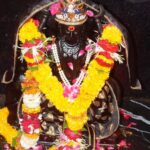
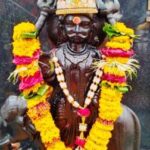
The Shani Katha: The Legend of the Planet of Justice
In Hindu mythology, the story of Shani Dev begins with his birth to Lord Surya (The Sun God) and Chhaya. Because Shani possessed a deep penance and an intense dark complexion, Surya Dev initially failed to recognize him as his son. This rejection led Shani Dev to perform rigorous penance to Lord Shiva. Consequently, pleased by his devotion, Lord Shiva granted him the title of 'Magistrate of the Planets.' Since that day, Shani Dev has delivered justice based on an individual's past and present deeds.
Another profound legend involves the 'Sankat' or challenges faced even by King Vikramaditya. The king once doubted Shani’s power, which resulted in a long period of hardship and struggle. However, when Vikramaditya finally surrendered with a pure heart and performed selfless service, Shani Dev restored his glory. This story teaches us that we should not fear Shani Amavasya; instead, we should embrace discipline, truth, and charity to overcome life's obstacles.
Comprehensive Daan Vidhi: What to Donate
Charity on Shani Amavasya serves as the most effective remedy for planetary doshas. To help you maximize your spiritual impact, we have categorized the essential items for your donation into three clear sections.
1. Food & Groceries (Annadan)
- Black Sesame (Kala Til): This donation removes negative energy and pleases the ancestors.
- Urad Dal & Rice: These provide essential ingredients for Khichdi, a favorite offering of Shani Dev.
- Mustard Oil (Sarson ka Tel): Practitioners use this for lighting lamps (Deep Daan) and supporting mass feeding programs.
- Jaggery: Devotees include this in traditional recipes to provide energy to the working class.
2. Wearables & Utility
- Black Clothing: You may donate new shawls or shirts to mitigate Sade Sati effects.
- Footwear: This item remains essential for those who perform manual labor on foot daily.
- Iron Cookware: Donating iron tawas directly supports a laborer’s ability to cook and sustain a livelihood.
- Woolen Blankets: These provide critical warmth for the homeless during cold seasonal phases.
3. Service & Compassion
- Education Kits: Provide stationery and notebooks for underprivileged children to foster their growth.
- Healthcare: Distribute basic health kits and medicines to those who lack access to medical care.
- Animal Seva: Feeding black dogs and cows serves as a traditional way to honor the deity's values.